
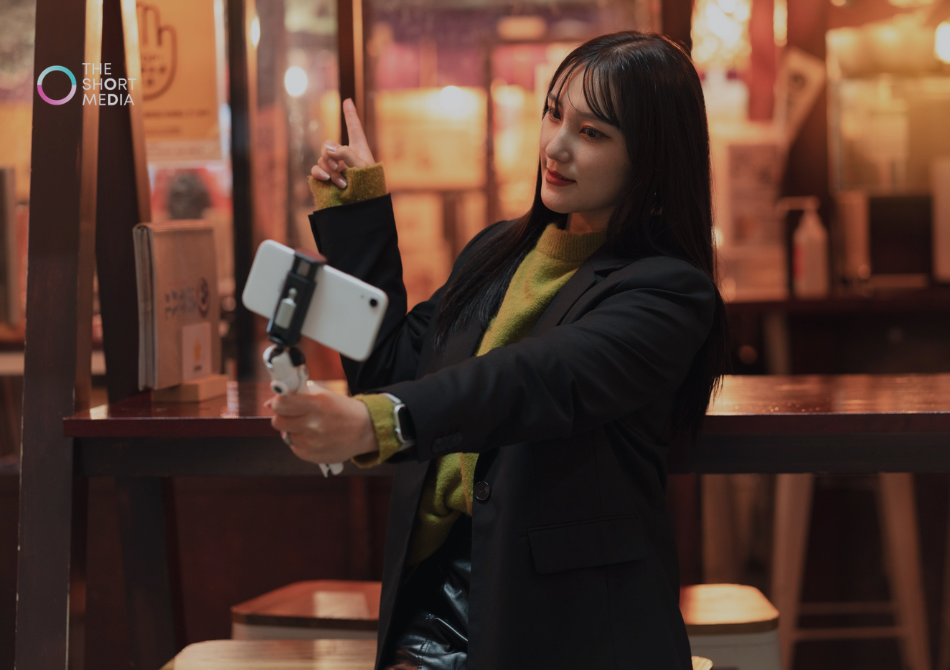
A few months ago, I was looking at a UK retail launch that had all the usual ingredients: decent budget, polished creative, smart media team, clean landing page. And still, the TikTok comments were doing that thing comments do when the strategy is slightly off. People weren’t asking where to buy. They were saying things like, “Why does this feel like an ad?” and “No one actually uses it like that.”
That’s the bit some teams still underestimate. TikTok doesn’t punish brands for selling. It punishes them for looking like they arrived with a campaign deck before they understood the room.
For UK marketers, that matters even more this year. The platform is crowded, trends move fast, and audiences are a little less patient with lazy brand participation. If you’re working in beauty, food, home, fitness, retail, local services, or even Amazon-focused product launches, the gap between content that lands and content that gets skipped is often pretty small. A line read too neatly. A trend used ten days too late. A creator who clearly got over-briefed.
Here’s what’s actually worth watching.
The rise of messier, more believable brand content
A lot of brands still think “better production” means “better TikTok.” Usually not.
Some of the strongest-performing content I’ve seen lately wasn’t badly made, exactly. It just didn’t feel ironed flat. A skincare demo filmed in a real bathroom beat the studio version because the lighting was slightly harsh, the shelf looked lived-in, and the creator stumbled once while explaining when she uses the product. That tiny bit of imperfection helped.
UK marketers should expect more of this. Not fake-authenticity, which people can spot pretty quickly, but content that leaves a bit of room for texture. Product in hand. Real use case. Real pace. If you’re a food brand, the quick “fridge raid” style video often does more than a glossy recipe edit. If you’re selling home products, a cluttered kitchen counter can work harder than a showroom.
This is one reason more brands are leaning on tiktok marketing partners who understand platform-native creative, not just paid distribution. A team can buy reach. That’s not the hard part. The hard part is making the ad feel like it belongs in-feed.
TikTok Specialized Agency teams are getting pulled in earlier
A year or two ago, some brands would bring in a TikTok Specialized Agency after creative had already been approved elsewhere. Usually from Meta, sometimes from TV or retail campaign assets. That’s still happening, but it’s getting less effective.
The smarter move is involving a TikTok Specialized Agency before the assets are locked. Early enough to shape hooks, creator selection, comment strategy, and how the product is actually shown.
That matters because TikTok trends aren’t just audio trends. They’re behaviour patterns. How people hold the product. How long they wait before the reveal. Whether the creator sounds like they’re telling a friend or reciting the brief. I’ve seen a creator nail the first take, then lose the magic after the brand asked for three rounds of “message clarity.”
If you’re a UK marketer working with internal brand teams, legal, retail partners, and paid social managers all at once, this gets messy fast. A TikTok Specialized Agency can be useful simply because they know which approvals are worth fighting for and which ones are killing the ad for no good reason.
Search behaviour on TikTok is getting more practical
There’s still a habit of talking about TikTok only as an awareness channel. That’s outdated.
People use it to compare products, check whether something is worth the money, figure out sizing, watch demos, and read comments for objections. The comment section is often better research than the sales page, honestly. I’ve seen beauty buyers ask whether a foundation oxidises, fitness shoppers ask if resistance bands snap, and parents ask if a lunchbox actually fits into a school bag. Those are not vague awareness signals.
For UK marketers, that means trend-watching should include search-led content. Not just jumping on formats, but building videos around the phrases people already use. A TikTok Growth Agency will usually spot this faster than a generalist social team because they’re looking at retention, search intent, and comment language together.
A TikTok Growth Agency worth hiring won’t just say “post more educational content.” They’ll tell you which objections keep appearing, what creators are saying that sounds believable, and where people are dropping off in the first six seconds.
Creator fit matters more than creator size
This one’s not new, but it’s getting sharper.
A mid-sized creator who already talks like your customer will often outperform a bigger name who can hit the brief but not the tone. I’ve watched a US snack brand get better results from a creator with a very ordinary family-kitchen setup than from a polished food account with triple the following. The smaller creator just sounded real. She also showed the product half-opened on the counter and mentioned her kids stole the rest before she finished filming. That detail probably did more work than the CTA.
For UK brands, especially in beauty, wellness, and home categories, creator casting is becoming less about audience size and more about friction. Does this person make your product feel easy to try? Do they accidentally surface trust signals? Do they answer the objection before the viewer types it?
That’s where a TikTok Growth Agency can earn its fee. Not by handing over a spreadsheet of creators, but by knowing who tends to oversell, who reads scripts too perfectly, and who can make a product demo feel like a recommendation instead of a placement.
Trends are still useful, but late participation looks worse now
There was a time when brands could hop onto a trend a week or two late and still squeeze something out of it. Less so now.
Audiences have become very quick at spotting when a brand saw a trend on a strategy deck after it had already peaked. You can feel it in the comments. Silence, mostly. Or worse, polite indifference.
That doesn’t mean marketers should stop using trends. It means trend participation has to be selective. A TikTok Specialized Agency will usually be more helpful when they talk you out of a trend than when they pitch you one. Not every format fits every category. A home storage brand doesn’t need to force itself into every meme cycle. A local service business in Manchester probably gets more value from “here’s what customers always get wrong before booking” than from trying to mimic creator humour that doesn’t fit the brand.
A lot of tiktok marketing partners are being judged on this now: taste, timing, restraint. Not just output.
Paid and organic are blending, but not in a tidy way
The old split between “organic TikTok” and “paid TikTok ads” is less useful than it sounds. In practice, strong teams are building loops.
A creator post gets tested organically. Comments reveal confusion around price or setup. The next version changes the opening line. Paid spend goes behind the stronger cut. Then the brand account replies to comments with a demo. Then that reply becomes another ad.
That’s not elegant on a flowchart, but it works.
A TikTok Growth Agency often helps here because they’re not treating media buying and creative as separate conversations. If your paid team is scaling a video where the comments are full of unanswered objections, performance usually stalls. If your organic team is posting without feeding learnings back into paid, you miss half the value.
For UK marketers under pressure to prove efficiency, this loop matters. Especially for DTC brands, Amazon products, and retail launches where small creative changes can affect conversion more than another round of audience tweaking.
Why more brands are choosing tiktok marketing partners with creator ops built in
This is becoming a practical decision, not a trendy one.
Brands don’t just need someone to edit clips and launch ads. They need creator sourcing, briefing, usage rights, whitelisting, testing plans, and someone who can tell when the brief has become too stiff to perform. The more moving parts there are, the more useful tiktok marketing partners become—assuming they actually understand creators and not just reporting dashboards.
The strongest setups I’ve seen usually involve tiktok marketing partners working closely with internal paid social leads, not replacing them. That mix tends to be better than handing TikTok off entirely. Internal teams know the business. External specialists know what the platform is doing this month, and sometimes this week.
A TikTok Specialized Agency can also help UK brands adapt global messaging without making it sound imported. That comes up more than people admit. Copy that feels normal in a US ad can sound strangely overcooked to a UK audience.
What UK marketers should actually do with all this
Don’t build your TikTok plan around trend lists alone. Build it around how people are behaving on the app right now.
That means:
- watching comments as closely as performance metrics
- testing product demos that look more lived-in
- choosing creators for tone, not just reach
- involving a TikTok Specialized Agency early enough to influence the work
- using a TikTok Growth Agency to connect search behaviour, creative testing, and paid scale
And maybe most importantly, stop trying to make every video feel approved by twelve people. Usually, viewers can tell.
FAQs
1. Are TikTok trends still worth following for UK brands?
They are, but only if the fit is real. A trend can give you a useful format or opening hook, but if the brand arrives late or the tone feels borrowed, people scroll straight past it.
2. Should every brand work with tiktok marketing partners?
Not every brand needs outside help straight away. But once you’re juggling creator sourcing, paid testing, usage rights, and weekly content volume, tiktok marketing partners can save a lot of internal friction.
3. What does a TikTok Specialized Agency actually do differently?
Usually, they’re better at spotting what will feel native before you spend money promoting it. They also tend to brief creators better, push back on over-scripted messaging, and build around what works on TikTok rather than forcing assets from other channels.
4. Is a TikTok Growth Agency only useful for paid ads?
Not really. A good TikTok Growth Agency should be looking at organic posts, search behaviour, creator performance, and comment patterns too. Paid is only part of the picture.
5. How many creators should a brand test at once?
More than one, fewer than chaos. For most campaigns, 5 to 10 creators is enough to spot patterns in hooks, delivery style, and objections without creating a giant admin problem.