
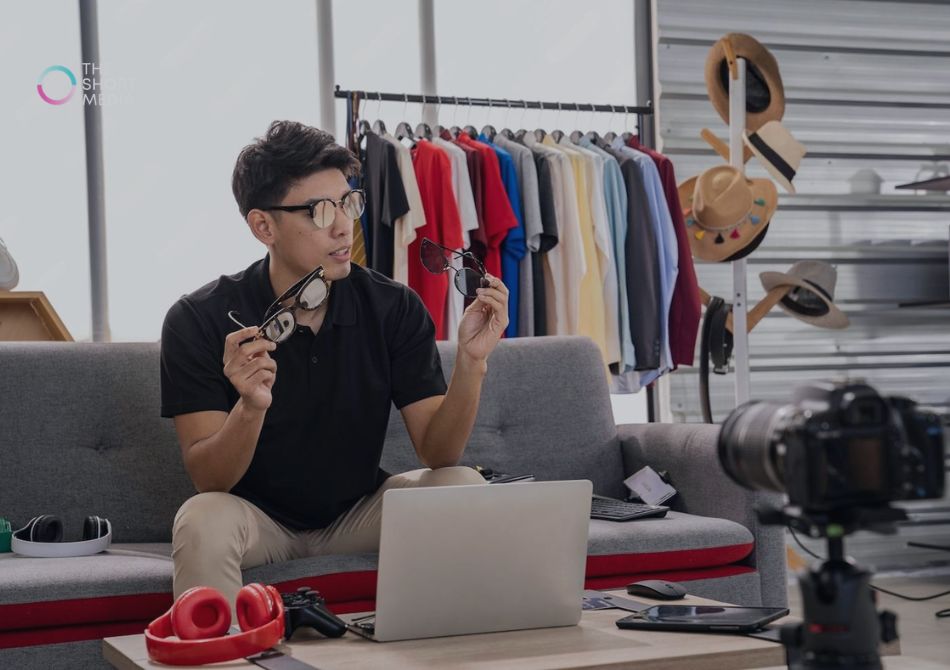
A few months ago, I watched a decent product video die in the first three seconds because the founder insisted on opening with a logo animation. Nice animation, wrong platform. Same week, a scrappy clip filmed on an iPhone in a messy kitchen helped a food brand sell through a promo bundle by Friday. That’s TikTok for you. Not mysterious, not random exactly, but very unforgiving if a brand treats it like Instagram with louder music.
That’s why more teams are turning to a tiktok social media agency when growth starts to stall or when they’re trying to scale without wasting budget. Not because agencies have some secret button. Usually it’s because they know how to get the basics right, quickly: creative volume, creator casting, testing, paid structure, and what to do when comments start telling you the sales page has missed the point.
For UK brands, especially, the pace matters. Retail windows are tight. Seasonal pushes come around fast. And if you’re selling beauty, home products, supplements, snacks, fashion, or even local services, TikTok can move from “we should probably try this” to “why is this now our top source of assisted conversions?” pretty fast.
Why TikTok gets messy for in-house teams
Most in-house teams aren’t short on effort. They’re short on time, and usually on repetition. Good marketing on tiktok needs more swings than many brands expect.
One polished hero video won’t carry a quarter. Neither will a trend copied two weeks too late because someone saw it in a competitor deck. I’ve seen this a lot with retail launches. The brand plans a lovely campaign, signs off scripts, books a studio, edits everything properly, and by the time the content goes live, the sound is tired and the whole thing feels approved by twelve people. Which, to be fair, it probably was.
The brands that scale tend to get comfortable with a less precious workflow. More creator-style footage. Faster edits. More hooks tested against the same product angle. One home cleaning brand in the US got stronger results from a creator wiping down a greasy hob in her actual flat than from the glossy product demo the company paid far more to produce. Not glamorous. Effective.
That’s where a tiktok social media agency can earn its keep. Not by making things look expensive, but by making the content pipeline less fragile.
What a tiktok social media agency actually does
Some agencies say they “do TikTok” when they really mean they’ll post three times a week and send a report. That’s not enough if the goal is growth.
A solid tiktok social media agency usually sits somewhere between creative partner, media buyer, and performance analyst. The useful ones are thinking about:
- creative testing cadence
- creator sourcing and briefing
- paid amplification
- landing page feedback
- comment mining
- offer positioning
- what’s happening in the first two seconds of the video
That last bit matters more than people like to admit. A creator reading a script too perfectly can flatten a video instantly. So can a founder trying to sound “native” and ending up weirdly stiff. You notice it in the watch time drop-offs.
For tiktok brand marketing, the best agencies don’t separate brand and performance as neatly as old media plans used to. They know a piece of content can introduce the product, handle objections, and convert, all in the same clip, if it’s built properly. A beauty brand might run a “first impression” creator video for broad reach, then retarget with a more specific wear-test edit once people have watched 50% or clicked through. That’s not revolutionary. It’s just disciplined.
The UK angle: why local context matters
A lot of TikTok advice still comes from US campaigns, and some of it translates badly. Humour lands differently. Creator casting matters more than people think. Even product language can be off. A cleaning brand using American phrasing in a UK-targeted ad can feel slightly wrong in a way viewers won’t articulate, but they’ll scroll anyway.
For UK businesses, marketing on tiktok works better when the content feels native to the audience, not imported from a winning US ad account with the logo swapped out. If you’re a UK meal prep brand, a London creator filming in a small flat kitchen may outperform a slick LA-style setup because the context feels familiar. Same goes for local services. A Manchester clinic or Bristol salon doesn’t need “viral” content nearly as much as it needs credible local content that gets saved, shared, and clicked.
This is where tiktok brand marketing gets more practical than flashy. You’re not just chasing views. You’re trying to build a repeatable system that fits UK buying behaviour, local creators, and the way your customers actually talk.
Creative that scales usually looks a bit less “campaign”
This is the part some brand teams resist.
The content that works in tiktok brand marketing often looks underproduced compared with what internal stakeholders expect. Not sloppy. Just less manicured. A food brand showing a freezer haul, a fitness product demo filmed before the gym rush, an Amazon gadget tested at a kitchen table, a sofa-cleaning product used on an actual stain instead of a staged one. Real use beats polished promise surprisingly often.
And comments tell you a lot. More than reporting decks sometimes.
I’ve seen comments reveal pricing objections the landing page never addressed. Seen viewers ask if a hair tool works on thick curly hair when all the creators cast had the same straight style. Seen a DTC supplement brand realise half the audience thought the product was subscription-only because the ad moved too fast through the offer. Useful stuff. Sometimes slightly painful, but useful.
Good marketing on tiktok pays attention to those signals and feeds them back into the next round of creative. That loop is where scaling happens.
Paid media is where a lot of brands waste money
A common pattern: the brand gets one or two decent organic posts, then assumes paid will just multiply the result. It doesn’t work like that. Paid TikTok needs structure, but not overcomplication.
Most of the time, the issue isn’t the platform. It’s that the creative testing is too thin. Or the offer is weak. Or the landing page doesn’t match the tone of the ad. A friendly creator says, “I didn’t expect this to work, but…” and then the click goes to a stiff product page that reads like packaging copy from 2018.
A strong tiktok social media agency will usually keep the testing broad enough to find angles, then narrow based on actual response. Maybe problem-solution works for one SKU, while comparison content works better for another. Maybe Spark Ads outperform whitelisted creator content for a retail launch, but a founder-led ad wins for a local service because trust matters more than polish.
That’s also why tiktok brand marketing can’t live in a silo. If paid, creative, community, and landing pages aren’t talking to each other, scale gets expensive fast.
When brands should bring in outside help
Not every company needs an agency. Some have a strong in-house social lead, a content producer who understands the platform, and enough budget to test properly. Fine. Keep it in-house.
But a tiktok social media agency starts making sense when:
Your team is posting, but not learning
If every month looks like the last one, you don’t have a content problem. You’ve got a testing problem.Creative production takes too long
By the time content is approved, it’s already stale. That’s common in bigger retail and FMCG teams.Paid spend is rising without much efficiency
This usually means your creative strategy is too narrow, not that the media buyer suddenly forgot their job.You need creators at volume
Creator management gets messy quickly. Outreach, briefs, usage rights, reshoots, deadlines. It’s admin-heavy, and it slows brands down.For UK brands trying to grow ecommerce sales, support a retail launch, or build demand around a new category, marketing on tiktok often becomes a speed issue before it becomes a budget issue.
What to look for before hiring an agency
Ask to see creative iterations, not just highlight reels. Anyone can show you one winning ad. I’d rather see version one, version six, and what changed after the comment section flagged an objection.
Ask how they handle creators. Ask who writes hooks. Ask whether they care about landing page feedback or if they stop at the click. Ask how they approach tiktok brand marketing for UK audiences specifically.
And if they talk mostly about trends, I’d be careful. Trends can help, sure, but they’re not a strategy. Plenty of brands have burned weeks trying to be funny when a simple demo with a clear offer would have done more.
A good tiktok social media agency should make the process faster, sharper, and a bit less chaotic. Not noisier.
FAQ's
1. Do UK brands really need a specialist TikTok agency?
Not always. If your in-house team already understands creative testing, creator management, and paid social on the platform, you may be fine. But plenty of teams are stretched thin, and TikTok punishes slow feedback loops.
2. How long does marketing on tiktok take to show results?
Usually faster than channels with longer learning cycles, but not overnight. You can spot useful signals in a couple of weeks if you’re testing enough creative. Scaling profitably takes longer, mostly because the first winners need follow-ups, not just more spend.
3. Is TikTok only useful for fashion and beauty brands?
No, though beauty does tend to suit the format naturally. I’ve seen food, home products, fitness accessories, Amazon products, and even local service businesses do well when the content shows the product in a real setting instead of trying too hard to “be TikTok.”
4. What’s the biggest mistake brands make with tiktok brand marketing?
Over-approving the creative. You can feel it when a script has been tidied into blandness. The creator sounds polished, the product benefit gets buried, and the video ends up looking expensive but not very watchable.
5. Should brands focus on organic first or paid first?
Usually both, with different expectations. Organic helps you learn what people respond to. Paid helps you test at scale and control distribution. Treating them as separate worlds tends to slow everything down.