
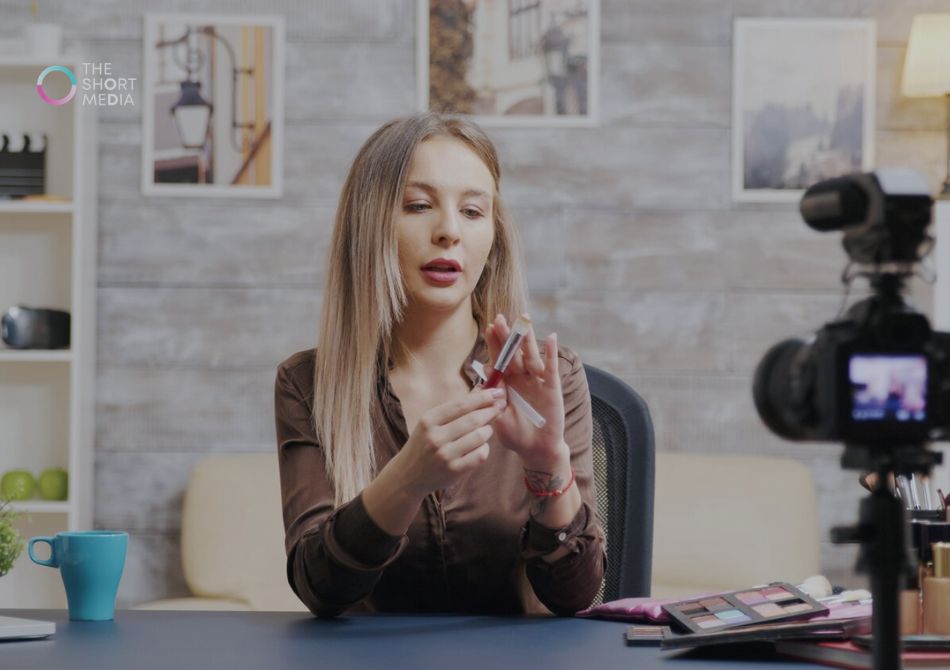
A few months ago, I watched a skincare brand spend a decent chunk of budget on TikTok ads that looked... expensive. Beautiful lighting, polished edits, a founder script that had clearly been approved by six people. The result? Flat engagement, weak watch time, and comments that basically said, “This feels like an ad.”
The next week, they posted a looser product demo filmed on a bathroom counter. Slightly messy background. Real texture shot. Someone actually using the cleanser without sounding like they were reading cue cards. That one did better.
That’s usually where the real conversation starts. Not “should we be on TikTok?” but “why does the rougher content keep winning, and how do we do more of that without turning the whole thing into chaos?” That’s where a good tiktok media agency earns its keep.
Not because TikTok is mysterious. It isn’t. But it does punish brands that try to act too polished, too late, or too safe.
What a tiktok media agency should actually help with
A lot of agencies say they do TikTok, but what they really mean is they can resize paid social assets and maybe hire a creator or two. That’s not the same thing.
A proper tiktok media agency should sit somewhere between creative partner, paid social team, and cultural translator. They should know why a kitchen-shot demo for a home product might outperform a studio cut. They should understand that comments are often better research than a survey. They should also know when a trend is already dead and your brand is about to show up two weeks too late. Which happens more than teams like to admit.
If you’re working with a TikTok marketing company, ask how they handle the messy middle:
- Organic testing before scaling paid
- Creator sourcing beyond the same overused faces
- Hooks that sound human
- Comment mining for objections and angles
- Landing page feedback from TikTok traffic, not just ad metrics
That last one matters more than people think. I’ve seen TikTok traffic hit a product page and immediately expose problems the brand’s internal team had stopped noticing. Weird pricing hierarchy. No ingredient explanation. No proof the product works for curly hair, sensitive skin, apartment renters, whatever the audience needed.
Engagement on TikTok usually drops for very boring reasons
People love to make this platform sound magical. Most engagement problems are actually pretty plain.
The opening is too slow
If your first two seconds are logo, tagline, cinematic pan — you’ve probably lost them. Especially for beauty, fitness, food, and DTC products.
A better opening is usually more direct. Show the result first. Show the mess first. Show the product failing and then fixing the problem. For an Amazon kitchen product, I’ve seen “I thought this was pointless until I used it for meal prep” beat a much cleaner feature-led intro.
A smart TikTok Marketing Service UK team will usually test multiple hooks around the same core offer rather than obsess over one “hero” version.
The creator sounds like they memorised legal copy
This one happens all the time. A creator can look perfect for the brand and still tank because the script is too tidy. You can almost hear the approval chain in the voiceover.
The better creator briefs leave room for natural phrasing. Not chaos. Just enough flexibility that it sounds like a person talking. A good TikTok marketing company knows when to protect the key claims and when to stop over-directing.
The brand is making content for itself
I’ve seen retail launch campaigns where the internal team cared deeply about packaging details, while the audience in comments kept asking, “Does it leak in a gym bag?” or “Will this fit under an airline seat?” That gap matters.
Engagement goes up when content answers the stuff people are already circling around. Sometimes the comments are practically writing the next brief for you.
The best TikTok engagement tactics are usually unglamorous
Not every win comes from a big creative leap. Quite a few come from doing the obvious things properly.
Test ugly-first creative
Not ugly in a careless way. More like less overproduced, less brand-managed.
For home products, before-and-after clips shot in actual houses tend to do more work than perfect showroom footage. For food brands, a handheld taste test in someone’s kitchen can beat a glossy recipe video. For local services, a technician explaining what usually goes wrong in plain English often lands better than a polished company intro.
This is where a tiktok media agency should push back a bit. If everything looks like a campaign asset, engagement often suffers.
Use comments as a creative brief
One of the most useful habits in any TikTok Marketing Service UK workflow is pulling comments weekly and tagging them by theme. Objections. Confusion. Unexpected use cases. Price pushback. Even jokes.
For a fitness brand, comments once revealed that people weren’t confused about the product at all — they were confused about resistance level and storage. So the next batch of content focused on “where this fits in a small flat” and “which band to pick if you’re starting from scratch.” Engagement improved because the content finally sounded like it understood the buyer.
Stop waiting for perfect trend alignment
A lot of brands are awkward on TikTok because they’re trying too hard to “do trends” instead of building repeatable content formats.
You’re usually better off with three or four reliable structures:
- problem/solution demos
- creator reviews
- side-by-side comparisons
- objection-handling videos
- quick reaction content tied to real customer behaviour
A seasoned TikTok marketing company won’t force every post into trend culture. Sometimes the highest-performing content is just useful and well-timed.
Paid and organic need to talk to each other
This is where many teams get sloppy. Organic is run by one person, paid by another, creators by a freelancer, and nobody is sharing learnings properly.
A strong TikTok Marketing Service UK setup looks at engagement signals as creative intelligence, not vanity. Which hooks held attention? Which phrases showed up in saves and shares? Which creator got comments that sounded like purchase intent rather than passive praise?
I’ve worked on campaigns where the ad account said one thing and the comments said another. The paid team liked the click-through rate. The comments were full of people asking if the product worked for darker skin tones, bigger dogs, smaller kitchens, rental walls. That should shape the next round of creative. If it doesn’t, you’re just repeating yourself with more spend.
A tiktok media agency should be joining those dots, not just reporting them.
What UK brands should watch if they’re selling into broader markets
Even if your team is using a TikTok Marketing Service UK, a lot of the strongest creative references still come from US brands because they test aggressively and produce content at volume. Beauty brands, snack brands, supplements, cleaning products, niche home gadgets — the US market throws out loads of useful signals.
That doesn’t mean copying US TikTok style word for word. UK audiences can be less tolerant of overhype, and creator delivery often needs to feel drier, less “salesy.” But the underlying lessons travel well: stronger hooks, clearer demos, faster iteration, more creator variety.
A decent TikTok marketing company should know the difference between borrowing a format and importing a tone that doesn’t fit your audience.
Choosing a TikTok partner without getting sold a fantasy
The pitch deck will always sound good. What you want is evidence that they understand how engagement is built in practice.
Ask what they do when a creator reads too perfectly. Ask how they decide whether to boost organic winners or build separate paid-first assets. Ask how often they refresh hooks. Ask what they’ve learned from comments that changed the creative direction.
If they only talk about reach, impressions, and trend participation, I’d be cautious.
A useful TikTok Marketing Service UK partner should be comfortable saying, “That concept looked good in planning, but the audience didn’t care, so we changed it.” That’s usually a better sign than polished certainty.
FAQ's
1. How often should a brand post on TikTok?
More often than most internal teams are comfortable with, honestly. Two to four times a week is a reasonable starting point if you can maintain quality and learn from the results. Daily posting can work, but not if every post feels rushed or repetitive.
2. Do you need creators to get strong engagement?
Not always, but they help a lot. Especially if your internal team looks stiff on camera or keeps making content that feels over-approved. A creator can make a product feel more believable fast — unless they’re reading a script like they’re in a school assembly.
3. Should organic content be tested before running ads?
Usually, yes. Not every time, but it’s a smart way to reduce guesswork. If a hook, angle, or demo gets strong watch time and comments organically, it often gives the paid team a better starting point than a concept approved in a meeting room.
4. What makes a good TikTok hook?
Specificity. Tension. A reason to keep watching. “I bought this because my flat has no storage” is stronger than “Here’s an amazing home product.” Same product, very different opening.
5. Is a tiktok media agency worth it for smaller brands?
It can be, if they’re practical and not bloated. Smaller brands usually benefit from speed, creator access, and a testing structure they wouldn’t build alone. But if the agency wants a huge retainer before proving anything, I’d pause.