
A few years ago, most healthcare teams would’ve laughed at the idea of discussing patient education, clinic awareness, or supplement launches on TikTok. It felt too messy. Too young. Too unpredictable.
Then the numbers started showing up in board decks.
A dermatologist in the US explains why “medical grade” skincare isn’t a regulated term and gets 2 million views. A dentist films a quick reaction to a viral teeth-whitening hack and books out consultations for weeks. A physical therapist posts a simple mobility demo filmed in a treatment room — not polished, not agency-glossy — and the comments fill with people asking whether the exercise helps sciatica, knee pain, tight hips, all of it. That’s usually the moment healthcare brands stop dismissing the platform and start asking harder questions.
Not whether TikTok matters. It does. The real question is how to use it without wandering into compliance trouble, weak creative, or the kind of trust issue that’s hard to repair.
For healthcare brands in the UK, that tension is even sharper. You’re balancing attention, regulation, patient trust, and often a slower internal approval process than a beauty or food brand would deal with. Which is why working with a tiktok marketing agency uk team that actually understands regulated categories can save a lot of wasted time.
Healthcare on TikTok is awkward — and that’s partly why it works
Healthcare marketing has a habit of sounding over-approved. Every line gets sanded down until it’s technically safe and completely forgettable. TikTok doesn’t reward that.
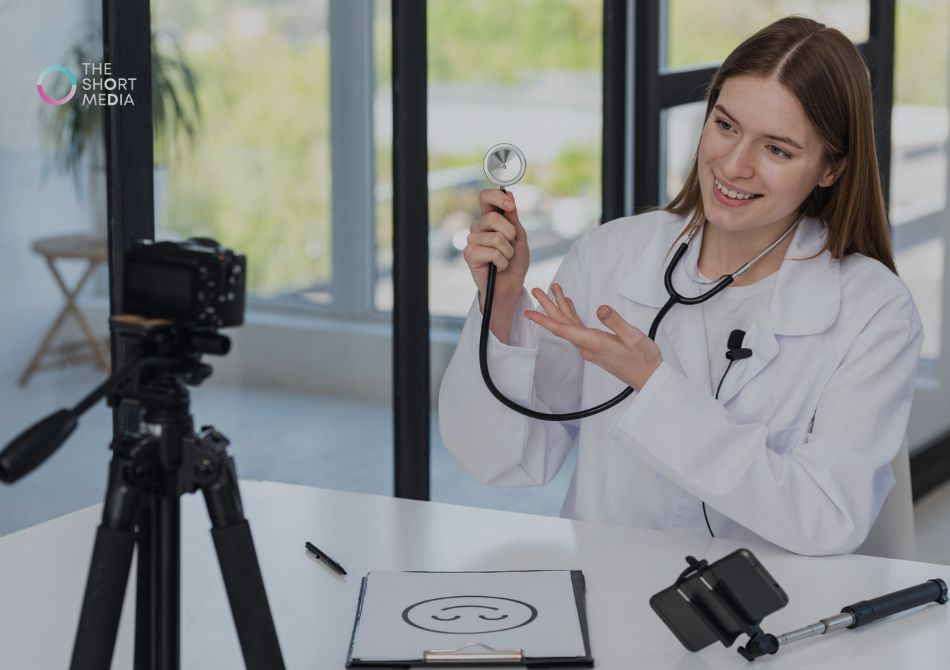
What tends to work instead is clarity, specificity, and a human face. A pharmacist answering one common question. A clinic founder reacting to misinformation. A nutrition brand showing how a product is actually used in someone’s routine, rather than cutting together another glossy lifestyle montage.
That doesn’t mean healthcare brands should act like creators chasing trends for the sake of it. In fact, some of the worst TikTok work I’ve seen from regulated brands came from trying too hard to “fit the platform.” You can usually tell when a compliance team approved a trend two weeks too late and the social team posted it anyway because too much time had already been spent on it.
A good tiktok advertising agency won’t push healthcare brands into gimmicks. It should help them find formats that feel native without becoming careless.
Where the real opportunities are
The obvious opportunity is reach, but that’s not the most useful one.
Healthcare brands often get more value from attention plus feedback. TikTok comments can expose confusion that a website, paid search campaign, or sales page completely missed. I’ve seen skincare brands learn that customers didn’t understand the difference between purging and irritation. I’ve seen wellness products get called out for vague dosage language in comments before ad spend scaled. Slightly painful, yes. Also helpful.
Education that doesn’t feel like a leaflet
This is probably the strongest use case.
Short-form video works well when the topic is visual, practical, or easy to demonstrate. Think:
- a dentist explaining aligner care
- a clinic showing what happens during a skin consultation
- a physiotherapy brand demonstrating one movement and one common mistake
- a supplement company clarifying timing, usage, or ingredient purpose
The key is keeping the scope tight. One point per video. Not five. The creator or clinician who tries to cram a full webinar into 28 seconds usually ends up with content nobody finishes.
This is where TikTok Marketing Services UK providers can be useful, especially if they know how to turn medical expertise into watchable content without flattening it into generic “tips.”
Trust-building through people, not brand copy
Healthcare is personal. Even when the product is simple, the stakes feel higher.
A founder, clinician, pharmacist, or practitioner on camera often performs better than a faceless brand account trying to sound warm. Not always, but often enough that it’s worth saying plainly. And imperfect content can win. I’ve seen a product demo filmed in a kitchen outperform studio footage because it looked like someone actually used the thing there, rather than placing it beside a strategically lit fruit bowl.
For healthcare, that kind of realism matters. If a creator reads a script too perfectly, viewers get suspicious fast. You can almost feel the comments coming.
Paid social that learns from organic behaviour
When healthcare brands run ads on TikTok without first learning what people respond to organically, the creative tends to feel expensive and oddly brittle. A tiktok advertising agency with sense will usually test hooks, objections, and content angles through organic-style creative before putting serious budget behind it.
That matters because healthcare objections are rarely generic. They’re specific. Side effects. Timing. Eligibility. Whether a treatment hurts. Whether a supplement clashes with medication. Whether the before-and-after is even realistic.
Comments often reveal what the landing page forgot to answer.
The risks are real, and they’re not just compliance checkboxes
Plenty of healthcare marketers reduce TikTok risk to “get legal sign-off.” That’s part of it, but not the whole thing.
Misinformation travels faster than corrections
If your brand enters a conversation where bad advice is already spreading, you need a plan. Not a panicked reply in the comments after the post has taken off.
Healthcare brands can do useful work here, especially clinicians and expert-led businesses. But tone matters. People don’t respond well to being scolded. The better approach is usually calm, direct correction with a clear explanation. Less “you’re all doing this wrong,” more “here’s what this actually does, and here’s where it can go wrong.”
A tiktok marketing agency uk partner should understand that moderation strategy is part of the job, not an afterthought.
Regulatory and platform policy issues
This is the obvious one, but it’s still where many teams get sloppy.
Claims around treatment outcomes, symptom relief, supplements, weight management, mental health, cosmetic procedures, and medical devices need close review. In the UK, healthcare marketers also need to think carefully about ASA rules, CAP guidance, MHRA considerations where relevant, and category-specific restrictions. A US-style aggressive direct-response ad can run into trouble quickly if someone simply ports it over.
That’s why healthcare brands often need TikTok Marketing Services UK support that includes compliance-aware scripting, creator briefing, and review workflows. Not just editing and media buying.
Trend-chasing can cheapen trust
Not every trend is worth adapting. Actually, most aren’t.
A private clinic using a jokey sound about “red flags” might think it’s being relatable. Patients may read it differently. Same with cosmetic healthcare brands that push too hard into shock-value before-and-after storytelling. Attention isn’t always useful attention.
A smart tiktok advertising agency should be comfortable saying, “Skip this one.”
What good healthcare TikTok actually looks like
It usually looks simpler than teams expect.
Not overproduced. Not full of motion graphics. Not trying to mimic a Gen Z creator account if the brand clearly isn’t that. The best healthcare TikTok content often has a few basic traits:
It starts with a real question
Usually one the audience already asks in clinic, in DMs, or on Amazon reviews.
A women’s health brand might start with “Why does this happen even when your routine is consistent?” A dental practice might open with “This is why whitening strips make some people think they’ve damaged their teeth.” That’s much stronger than a broad “3 tips for oral health.”
It shows something concrete
A treatment room. A product texture. A clinician demonstrating pressure points. A pharmacist holding up the packaging and explaining what to check before buying.
Healthcare audiences don’t need cinematic polish. They need enough evidence that the person talking knows what they’re doing.
It respects the audience’s intelligence
No babying. No fake hype. No weirdly dramatic hooks for serious topics.
This is where a tiktok marketing agency uk with healthcare experience earns its fee. The job isn’t only to make content perform. It’s to make it perform without making the brand sound flimsy.
Choosing between in-house and agency support
Some healthcare brands can run TikTok internally, especially if they already have a strong content lead, access to clinicians who are comfortable on camera, and a legal process that doesn’t drag every post into a three-week delay.
But many need outside help because the challenge isn’t just posting. It’s building a system.
A good tiktok advertising agency or TikTok Marketing Services UK provider should be able to help with:
- content strategy built around patient or customer questions
- creator sourcing for health-adjacent content where appropriate
- ad creative that doesn’t overclaim
- moderation and escalation workflows
- testing frameworks for offers, hooks, and educational angles
- reporting that goes beyond vanity metrics
If an agency mostly talks about virality, I’d be cautious. Healthcare brands usually need consistency, clarity, and risk management more than they need a lucky spike.
FAQs
1. Is TikTok actually worth it for healthcare brands?
For some, absolutely. Especially clinics, skincare brands, dental groups, wellness products, physio services, and expert-led businesses that can explain something visually. If your category depends on trust and education, TikTok can help — assuming the content doesn’t sound like it was written by six stakeholders in a Google Doc.
2. Can regulated healthcare brands advertise safely on TikTok?
They can, but “safely” depends on the category and how disciplined the process is. Claims, disclaimers, targeting, creator language, and landing pages all matter. This is where a tiktok advertising agency with regulated-sector experience is a lot more useful than a generalist social shop.
3. What kind of content tends to work best?
Short educational clips, myth correction, treatment explainers, product demos, clinician-led answers, and simple routine content usually do well. Overproduced brand films often don’t. Neither do trend copies that arrive after everyone’s already moved on.
4. Do healthcare brands need creators, or can staff appear on camera?
Both can work. Staff and clinicians usually bring more authority, while creators can help with relatability and reach. The mistake is assuming any creator can talk about health products naturally. Some read the brief like they’re doing homework.
5. How often should a healthcare brand post on TikTok?
Enough to learn, not so much that quality falls apart. For many brands, 3–5 posts a week is a reasonable starting point. Better to post fewer videos based on real audience questions than churn out daily filler.