
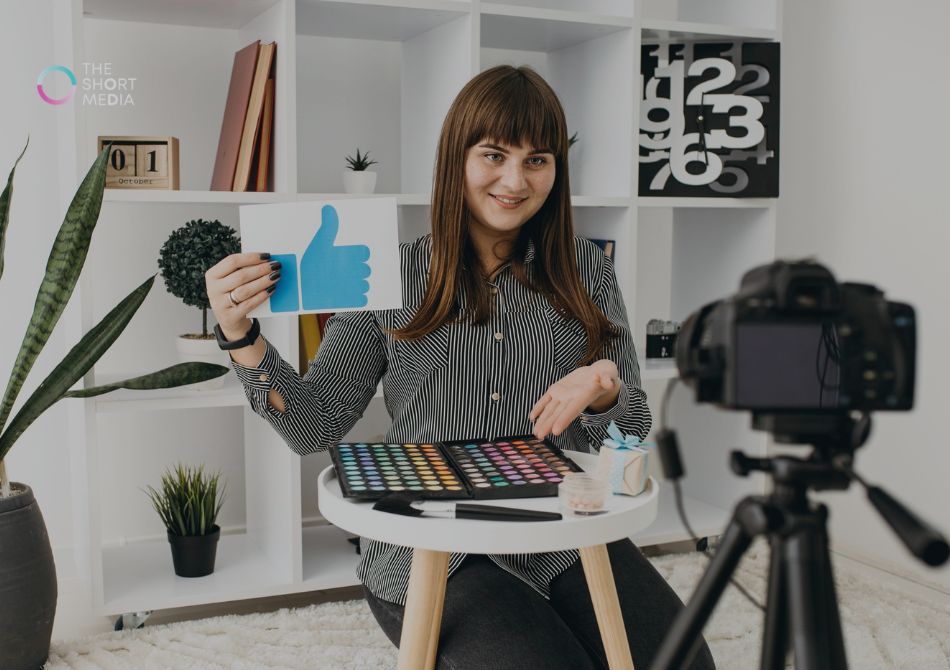
I’ve seen this happen more than once: a brand spends weeks polishing a campaign, gets the studio edit just right, signs off on the copy, launches… and then a scrappy creator video filmed next to a sink does three times the sales.
That’s not a cute little TikTok story. That’s the shift.
A lot of teams still treat TikTok like an extra social channel. Post a few clips, maybe run some Spark Ads, hope something catches. But the brands that are actually growing there — and, importantly, learning from it — are using it as a live testing ground for product positioning, creative, offer strategy, and customer language. That’s why tiktok brand marketing feels different from the usual paid social playbook. It’s less polished. Less linear. A bit more honest, if we’re being real.
And it’s forcing brands to work differently.
Why tiktok brand marketing doesn’t behave like traditional social
The old model was tidy. You had brand creative, campaign messaging, a launch calendar, maybe a handful of approved variations. TikTok has a habit of chewing that up.
On most platforms, polish can still carry you a long way. On TikTok, polish often needs a reason to exist. If a beauty brand posts a perfectly lit serum video with vague copy about “radiance,” it might get scrolled past in a second. But a creator saying, “I thought this would break me out, and weirdly it didn’t,” while applying it in bad bathroom lighting? That can pull comments, saves, and sales.
That’s part of what makes tiktok for marketing so useful and so annoying for some internal teams. It exposes weak messaging fast. If people keep asking, “Wait, is this for dry skin or acne?” then your landing page probably wasn’t clear enough either.
I’ve seen food brands learn this the hard way. One snack client kept leading with “high protein” because that tested well in Meta ads. On TikTok, the better-performing angle was the sound the product made when broken apart. Not glamorous. Just a crunchy close-up and a creator saying it didn’t taste like cardboard. Comments were full of, “Okay but what’s the texture actually like?” That was the real objection. Not protein count.
TikTok for marketing is setting a new creative standard
Not a prettier standard. A faster one.
Creative on TikTok ages quickly, and not just trends. Hooks wear out. Formats get copied into the ground. A style that worked last month starts looking tired because ten other brands got there late and flattened it.
This is where tiktok for marketing has raised expectations across the board. Brands now need more volume, more variation, and better instincts about what feels native. If your paid social team is still waiting on one hero asset to do all the work, it’s going to be rough.
A lot of the strongest brands I’ve worked with build around creative systems, not one-off campaigns. They’ve got:
- founder videos
- customer-style demos
- creator whitelisting
- ugly-but-useful product explainers
- comment-response content
- side-by-side comparisons
- retail shelf footage
- Amazon review callouts
Not every asset wins. Most don’t. That’s normal.
A home product brand I worked with had a beautifully shot launch video for a storage organiser. It looked expensive. It also felt like every other home brand ad. The post that actually moved units was filmed in somebody’s kitchen, showing a drawer that had become a total mess again three days after organising. Then the product came in. Slightly chaotic, very believable. That’s tiktok for marketing in practice: less “aspirational lifestyle,” more “here’s the annoying problem I’m trying to fix.”
Comment sections are doing strategy work now
This is one of the biggest changes, and a lot of brands still underuse it.
TikTok comments aren’t just engagement signals. They’re often better market research than the pre-launch survey deck. You’ll see objections, confusion, price resistance, use cases you didn’t expect, and sometimes a much better angle than the one the brand started with.
For tiktok brand marketing, that matters because growth isn’t just about reach anymore. It’s about how quickly a brand can absorb feedback and turn it into better creative, better offers, better product education.
A fitness brand selling recovery tools might think its hero message is performance. Then the comments fill up with women saying they want it for lower back pain after sitting at a desk all day. That’s not a minor insight. That’s a new audience segment, and probably a new ad set.
Same with local services, actually. I’ve seen med spas and dental clinics use tiktok for marketing more effectively once they stopped posting generic treatment videos and started responding to the comments people were actually leaving. Stuff like downtime, pain level, cost, whether someone could go back to work after. The questions were sitting there in public.
The brands growing fastest aren’t protecting the old approval process
This part tends to sting a bit.
TikTok rewards teams that can move without turning every video into a committee project. That doesn’t mean throwing brand safety out the window. It means knowing the difference between a real risk and a harmless bit of creator spontaneity.
A common problem in tiktok brand marketing is over-editing. You can feel it when a creator has been handed a script that’s been revised by legal, brand, paid social, and someone from product. They pause in weird places. They say things no normal person would say. The video technically communicates the message, but it dies on screen.
The better setup is usually tighter creative direction with looser delivery. Give creators the claim boundaries, the must-mention points, maybe a rough structure. Then let them speak like themselves. If they sound too perfect, performance often drops. Not always, but often enough that it’s worth saying.
And timing matters. I’ve watched brands join a trend nearly two weeks late because approvals dragged. By then, the format was already stale and every comment was basically, “We’ve moved on.”
TikTok for marketing is changing what “brand growth” even means
It used to be easier to separate “brand” and “performance.” TikTok has made that distinction messier.
A creator video can drive direct sales on day one, then get clipped into paid, then inspire organic UGC, then shape the copy on the PDP. A comment thread can point to a pricing objection that helps retention later. A retail launch can pick up because people saw the product in-store after first seeing it used casually on TikTok. It all blends together.
That’s why tiktok for marketing has become so important for DTC brands, Amazon sellers, and retail-first brands trying to stay culturally present without sounding desperate. It gives you signals earlier than a lot of other channels do. Not perfect signals. But live ones.
A beauty launch in the US might start with seeding to 40 creators, and only six pieces of content really land. Fine. Those six can tell you more than a polished campaign deck ever would. Which skin concern got attention. Which texture shot made people stop. Whether the product looked premium or just overpriced. Whether the shade names made sense. You don’t have to guess as much.
What smart teams are doing differently now
The brands getting the most out of tiktok brand marketing usually aren’t the ones chasing every trend. They’re the ones building feedback loops.
They’re looking at hold rate, comment quality, saves, creator fit, landing page behaviour, and what happens when an organic post gets turned into paid. They’re testing hooks against objections. They’re paying attention when a product demo with poor lighting beats the studio version, instead of trying to explain it away.
They’re also getting more comfortable with creative that feels a little unfinished. Not sloppy. Just not overhandled.
That’s especially true with tiktok for marketing when you’re launching lower-consideration products. Snacks, cleaning products, supplements, pet items, impulse beauty buys. People don’t need a manifesto. They need to see the thing, understand it quickly, and believe the person showing it isn’t reading from a card off-camera.
For higher-consideration categories, TikTok still works, but the job is different. You may not close the sale immediately. You may be using tiktok for marketing to reduce friction, answer objections, and make the brand feel familiar before someone searches later or converts through another channel.
Either way, the standard has changed. Brands are expected to react faster, sound more human, and prove the product in real contexts. That pressure isn’t going away.
A messier, more useful model of growth
What TikTok has really done is make growth look less tidy.
You test more. You learn in public. You find out your expensive campaign message isn’t the one customers care about. You discover that a creator with 12,000 followers can outsell a glossy brand ad because she explained the product like a normal person. Slightly awkwardly, even. Especially then.
That’s why tiktok brand marketing matters beyond the platform itself. It’s not just another content stream. It’s changing how brands build creative, how they listen, and how quickly they adapt once the market answers back.
And the market does answer back. Usually in the comments. Sometimes a bit rudely.
FAQ's
1. Is TikTok still worth it for smaller brands?
Usually, yes — if you can make enough creative to learn from. Smaller brands often do well because they’re less locked into heavy approval layers and can post things that feel more real.
2. How much polish should brand videos have?
Enough to be watchable, not so much that they feel airless. A clean edit is fine. A perfectly rehearsed creator reading approved messaging word for word often isn’t.
3. Does organic content need to work before running paid?
Not every time, but it helps. If something gets decent watch time, strong comments, or saves organically, that’s often a better starting point than pushing a cold ad nobody reacted to in-feed.
4. What kinds of products tend to do well on TikTok?
Anything that demos clearly tends to have an easier time: beauty, kitchen tools, cleaning products, fitness accessories, snacks, home gadgets. That said, “boring” products can work too if the framing is right. I’ve seen local service businesses do surprisingly well just by answering very normal customer concerns.
5. How many creators should a brand work with?
More than one or two, fewer than you can’t manage properly. For many brands, 10 to 30 creators in a testing batch gives you enough variation to spot patterns without creating chaos.