
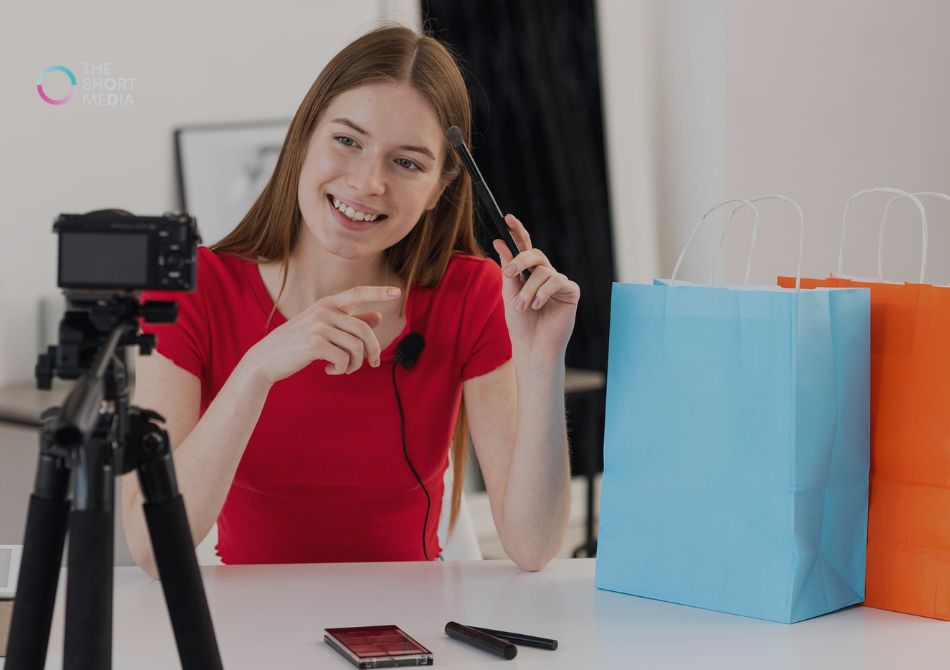
A few years ago, a lot of UK brands treated TikTok like the chaotic younger cousin of Meta and YouTube. Fun to watch. Hard to trust with budget. Good for interns and creators, maybe, but not where serious testing happened.
That’s changed. Quietly, then all at once.
Now I keep seeing the same pattern across paid social teams: the first place they learn what angle works, what objection matters, what creator style actually holds attention, is TikTok. Not because TikTok is magically easier. It isn’t. It’s because the platform gives you faster, messier, more useful feedback than most channels if you know how to read it.
For brands in beauty, food, fitness, homeware, even local services, TikTok has become a very practical place to test creative, offers, hooks, landing page fit, and product-market signals before rolling bigger spend elsewhere. That’s a big reason more companies are investing in tiktok advertising services and asking for tiktok ads services that go beyond “make us a few videos”.
Why TikTok gives better signals than polished channels
On Meta, you can still test creative well. Of course you can. But TikTok tends to expose weak ideas faster.
A video either earns attention early or it doesn’t. A script either sounds like a person talking or it sounds like legal approved every word. You can usually tell within a day if a concept has something real in it.
I’ve seen a kitchen-shot demo for a stain remover beat a carefully lit studio ad because the studio version looked too much like an ad. Same product, same claim, same offer. The rougher one felt believable. Not “authentic” in the overused brand sense. Just believable. Someone actually using it on a shirt near the sink.
That’s where good tiktok ads services are useful: not just media buying, but pattern recognition. Knowing the difference between a weak product angle and a decent angle buried under bad execution.
Comments help too. Not always kindly. But they help.
If a UK skincare brand gets a flood of “would this work on rosacea?” or “why is the bottle so small for £24?”, that’s not just engagement. That’s research. Often better research than the neat survey deck someone paid for three months earlier. The comments tell you where the sales page is vague, where pricing friction sits, and whether the creator explained the use case properly.
The best tests on TikTok usually don’t look like “campaigns”
This is where some brands still get stuck. They brief TikTok the way they brief TV-lite social content: fixed message, polished visuals, tight brand guardrails, maybe a trending sound added at the end as decoration.
It usually lands flat.
The strongest testing setups I’ve seen are looser. Not careless. Just built for volume and iteration. A DTC supplement brand might test six hooks around energy slumps, gym recovery, afternoon focus, and ingredient transparency. A home products brand might run one creator talking directly to camera, one voiceover over demo footage, one “I didn’t expect this to work” style ad, and one comparison against a supermarket alternative.
Half of those won’t do much. That’s normal.
What matters is that TikTok gives you enough signal to know why. That’s why tiktok advertising services have shifted from simple ad setup to creative testing systems. The media side matters, but the real value is often in structuring tests so the learnings are reusable.
And reusable matters. If a hook works on TikTok, it might become a Meta static headline, an Amazon listing angle, an email subject line, even retail launch messaging. I’ve seen US beauty brands do exactly that after a strong TikTok test revealed that customers cared less about “clean ingredients” and more about whether the product pilled under makeup. That one detail changed everything from ad copy to PDP hierarchy.
What UK brands are getting right now
The UK market has its own tone, and this does matter. Content that feels too aggressively American can look a bit off here unless the product naturally lives in that style. British audiences often respond better to understatement, dry humour, plain-spoken demos, or creators who sound like they’d actually use the thing without shouting about it.
A meal prep brand, for example, may get more traction from a creator filming in a slightly cramped flat kitchen in Manchester than from a glossy lifestyle setup that feels imported from LA. Same with cleaning products, pet brands, or practical home gadgets. If the use case is everyday, overproducing it can strip out the reason people stop scrolling.
This is where experienced tiktok ads services earn their keep. They know not every trend should be touched. They know when a sound is already tired. They know that a brand joining a format two weeks too late usually looks worse than skipping it entirely.
I’ve also seen UK retail brands do well when they treat TikTok as a testing lab before seasonal pushes. Back-to-school, gifting, summer launches, January wellness. Instead of committing to one hero message, they test multiple entry points first: price, convenience, gifting logic, social proof, problem-solution framing. Then they scale the winners across channels.
That’s smarter than guessing in a boardroom. And yes, I’ve sat in those meetings.
Good tiktok advertising services are really about creative operations
A lot of people still think tiktok advertising services means campaign setup, audience targeting, and weekly reporting. That’s only part of it now.
The stronger teams build a workflow around testing:
- sourcing creators who don’t all sound the same
- briefing for angles, not over-scripted lines
- turning organic-style footage into paid variants quickly
- reading comment patterns alongside performance data
- refreshing before fatigue gets obvious
That middle part matters more than some brands expect. A creator reading a script too perfectly can tank an otherwise strong concept. You can almost hear the approval chain in the delivery. On the other hand, a creator who slightly paraphrases, pauses, points at the product in a clumsy way, maybe laughs once because the dog barked in the background — sometimes that’s the ad.
Not always. But often enough that it should change how you brief.
That’s why many brands buying tiktok ads services are really buying speed and judgement. They need someone to say, “This angle is promising, but the first three seconds are dead,” or “The comments keep asking if this works on dark fabrics, so the next round needs to show that immediately.”
Testing offers, not just videos
One mistake I still see: brands think TikTok is only for creative testing. It’s also useful for testing commercial framing.
A food brand can test subscription versus one-off purchase language. A fitness app can test “7-day reset” against “build a routine that sticks”. A local service business can test urgency against reassurance. A home storage product can test before-and-after clutter relief versus small-space practicality.
Sometimes the winning ad isn’t the prettiest one. It’s the one that answers the objection first.
That’s especially true for products with a little friction. Premium pricing. New ingredients. Unfamiliar categories. Installation effort. If your ad and landing page don’t line up, TikTok will expose that pretty fast. Plenty of tiktok ads services still focus too narrowly on CTR or thumbstop rate, when the more useful question is whether the message survives the click.
Where weaker TikTok setups fall apart
Usually in one of three places.
First, they test too little. Three videos is not a testing programme. It’s a small hope.
Second, they overprotect the brand. Which sounds sensible until every ad looks interchangeable and nobody remembers it.
Third, they treat creators like actors reading a script instead of people translating a product into normal language. That translation layer is often the whole point.
I’ve watched a US home appliance brand insist on exact phrasing around product features, only to find the best-performing version came from a creator who said basically the same thing in simpler words while standing in her kitchen, hair tied up, half out of frame. Slightly scrappy. Much better result.
The smarter tiktok ads services teams know how to keep claims compliant without sanding off the personality.
TikTok ads services work best when the brand can handle the truth
This might be the awkward bit. TikTok is a strong testing platform because it’s unforgiving. If the product demo is confusing, people say so. If the price feels high, they say so. If the founder story takes too long to get to the point, they scroll.
That feedback isn’t always elegant, but it’s useful.
For UK brands especially, where budgets often need to stretch harder and creative teams are expected to prove efficiency quickly, TikTok can act like a fast feedback loop instead of a vanity channel. The brands getting the most from tiktok ads services aren’t just chasing reach. They’re collecting evidence. Which hook earns attention. Which creator style converts. Which objections appear again and again. Which claims sound too polished to trust.
And once you’ve got that, you’re not guessing nearly as much on other channels.
FAQs
Q1: How much budget does a brand need to test TikTok properly?
You don’t need a giant budget, but you do need enough to test more than two or three assets. For many brands, the issue isn’t spend, it’s lack of creative volume. A modest budget with 10 decent variations usually teaches you more than a larger budget behind one polished ad.
Q2: Are TikTok ads only useful for younger audiences?
Not really. It depends more on the product and the creative than people admit. I’ve seen home organisation, cleaning products, supplements, and even local clinics find traction with audiences well beyond what most teams assume is “TikTok age”.
Q3: What should UK brands look for in tiktok advertising services?
Look for a team that talks about testing angles, creator sourcing, hooks, and iteration speed — not just campaign setup. If they only show dashboards and targeting language, I’d keep looking.
Q4: How many creatives should be in a test?
As a rough starting point, 6 to 12 is healthier than 2 or 3. They don’t all need to be wildly different, either. Sometimes small changes in hook, framing, or creator delivery reveal more than a complete reinvention.
Q5: Do polished brand videos ever work on TikTok?
Sometimes, yes. Especially for products that benefit from visual quality, like beauty or premium interiors. But even then, overly controlled content can struggle if it feels detached from real use. A nice-looking video is fine. A nice-looking video with no human texture, less fine.