
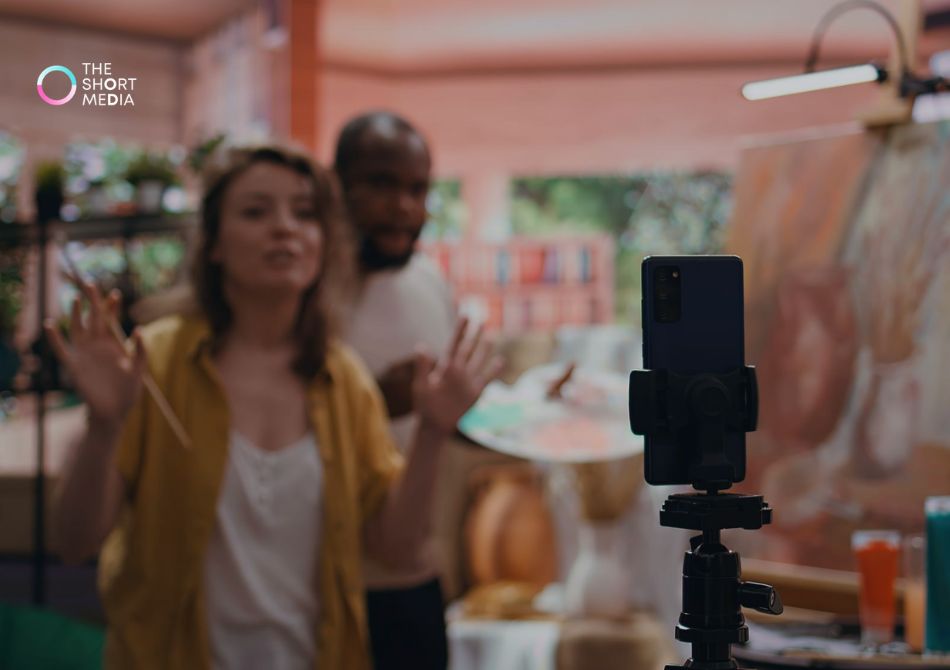
A few months ago, I was looking at a UK beauty brand’s TikTok performance and there it was again: the polished campaign video the team had spent ages approving was doing fine, but a creator’s quick bathroom-shelf demo, filmed with slightly harsh lighting and a rushed voiceover, was doing three times the sales. Not three times the views. Three times the sales.
That’s the part some brands still miss.
On paper, TikTok looks crowded, fast, and a bit chaotic. In practice, it’s often one of the clearest places to see what people actually care about, what they don’t believe, and what they need explained before they buy. If you’ve worked in paid social or creator campaigns for any length of time, you’ve probably seen the same thing: the comments section ends up being more useful than half the messaging workshop.
For UK brands, tiktok influencer marketing has moved well beyond “let’s send product to a few creators and hope one of them goes viral.” The channel is more mature now. Expectations are higher. Creators are sharper. Audiences can tell when a brief has been overworked by legal and brand teams.
And yet, when it’s handled properly, TikTok still gives brands something unusually valuable: content that feels close to real buying behaviour.
What UK brands are getting right with tiktok influencer marketing
The strongest campaigns I’m seeing in the UK aren’t trying to make every creator sound like the brand. They’re doing the opposite.
A food brand launching into Tesco might work with family-focused creators who show where the product fits into a weekday routine. A fitness app might brief creators around a very specific use case, like “what I actually did during a 20-minute lunch break workout,” rather than pushing some vague transformation angle. A home cleaning product might do better with a creator filming in a cramped London flat kitchen than in a spotless set that looks hired for the day. Usually because it was.
That’s where tiktok influencer marketing gets interesting. The creator isn’t just a distribution channel. They’re often the person translating your product into a believable situation.
UK audiences, especially on TikTok, tend to respond well to content that feels lightly self-aware. Not too slick. Not trying too hard. A creator who reads a script too perfectly will almost always underperform compared with someone who sounds like they’re explaining the product to a mate. You can feel the difference instantly.
The real state of tiktok brand marketing in the UK
A lot of tiktok brand marketing still falls into one of two traps.
First: trend chasing too late. The brand sees a format doing well, spends two weeks discussing whether it’s “on-brand,” then posts it after the moment has passed. It happens constantly. By then, creators have already moved on and the audience has seen six better versions.
Second: treating TikTok like a cut-down TV ad. Shorter, yes. Native, not really.
Good tiktok brand marketing in the UK tends to be less campaign-shaped than marketers are comfortable with. It often looks like repeated testing around hooks, creator types, comment themes, and product angles. A DTC skincare brand might discover that “I didn’t think this would work for sensitive skin” outperforms every benefit-led intro they wrote internally. An Amazon home product might find that setup videos flop, but “things in my flat that make life easier when you’ve got no storage” pulls in saves, comments, and decent conversion.
That’s not a creative theory. That’s just what happens when teams stop insisting the product story has to begin with the logo.
Brand marketing on TikTok works better when creators have room
This is where some internal teams struggle a bit. Especially larger retail brands.
They want consistency, which is fair enough. But brand marketing on tiktok usually gets weaker when every line is pre-approved and every frame has to match a campaign deck. TikTok isn’t forgiving when content feels assembled by committee.
The better briefs are tighter in the right places and looser everywhere else. Clear product claims. Clear do-not-say list. Clear objective. Then let the creator build the delivery.
I’ve seen this with UK retail launches, where one creator was given a rigid script and another was simply told to show how the product fit into her actual week. Same offer, same product, same posting window. The second piece looked less “correct” and performed much better.
That’s a recurring theme in brand marketing on tiktok: controlled imperfection tends to beat polished compliance.
What creators are doing now that brands should pay attention to
Creators have become much more commercially aware. That’s good news, mostly.
A few years ago, some brands could get away with vague asks and lightweight gifting. Not now. Good creators understand usage rights, Spark Ads, exclusivity windows, and what a whitelisting clause is worth. They also know when a brief is asking for too much for too little. Fair enough.
But the bigger shift is creative. UK creators are better at building buying context into the content. Not just “here’s the product,” but “here’s why I tried it,” “here’s what I was sceptical about,” “here’s what happened after a week,” and “here’s the annoying bit you should know.” That last one matters. Especially for categories like beauty, supplements, or home gadgets, where overpromising kills trust quickly.
Strong tiktok brand marketing often comes from creators who are willing to leave in a tiny bit of friction. A stain remover that needs two goes. A protein snack that tastes better chilled. A hair tool that works, but only if you section properly. Those details make people believe the positive claims more.
The paid social teams are closer to this than they used to be
This used to be a common problem: influencer team over here, paid social team over there, and the content handoff happening too late.
That’s getting better. In many UK brands now, especially ecommerce-led ones, creator content is being commissioned with paid usage in mind from the start. Which hooks can be tested as ads? Which creators can shoot multiple openings? Which videos can be cut into retargeting assets? Which comments reveal the objection we need to answer in the next round?
That overlap matters. tiktok influencer marketing isn’t just about reach anymore. It’s often feeding the whole content system.
For example, a supplement brand might notice comments asking whether a product causes bloating. That’s not just community management. That’s your next creator brief. A local service business might find that creators mentioning actual pricing ranges outperform vague “book now” messaging. A food brand might learn that people care less about ingredients than whether the product works for rushed midweek meals.
Those are useful insights. Much more useful than a report saying engagement was “strong.”
Why tiktok brand marketing in the UK needs local nuance
UK TikTok doesn’t behave exactly like US TikTok, even when the formats overlap.
The humour is different. The tolerance for hard selling is different. The references are different. A script that sounds fine in a US campaign can feel oddly overblown to a UK audience. You see this a lot with beauty, wellness, and household products. If the tone gets too breathless, the comments will let you know.
That’s why tiktok brand marketing here usually works best when it reflects local habits and context. Think Boots runs, not “drugstore hauls.” Think a creator showing what fits in a small semi-detached utility cupboard, not a giant suburban pantry. Think meal content tied to an Ocado order, a Tesco top-up, or what someone grabbed from Sainsbury’s after work.
It’s not about forcing British references into every post. It’s about making sure the content doesn’t feel imported.
And on the creator side, brand marketing on tiktok gets stronger when brands stop defaulting to follower count and start looking at audience fit, tone, and whether the person can actually demonstrate a product naturally. I’d take a mid-tier UK creator with believable delivery over a bigger account with generic lifestyle content most days.
What to watch next
A few things look set to keep shaping tiktok influencer marketing in the UK.
More creator-led testing before a full campaign rollout. Smarter use of Spark Ads. More demand for creators who can produce paid-friendly content without sounding like an ad. More scrutiny on measurement, especially from finance teams who are tired of vanity metrics dressed up as strategy.
Also, more pressure on brands to stop making TikTok content that looks like it was approved by twelve people. That one’s overdue.
The brands that do well won’t necessarily be the loudest. They’ll usually be the ones paying attention to the boring-but-important stuff: comment patterns, creator fit, hook fatigue, offer clarity, landing-page mismatch. The unglamorous details. That’s where a lot of performance is hiding, honestly.
FAQs
1. How many creators should a UK brand work with to start?
Usually more than one and fewer than twenty. For most brands, 5 to 8 creators is enough to spot patterns without turning the whole thing into a spreadsheet nightmare.
2. Is gifting still enough for TikTok creator campaigns?
Sometimes for very small creators or genuinely exciting products, but not reliably. If you want usage rights, revisions, or any kind of structured campaign, budget for paid partnerships.
3. What makes brand marketing on tiktok feel too scripted?
You can hear it when every benefit is packed into the first ten seconds and nobody talks like that in real life. Also, creators pausing half a beat before a mandated phrase. That little hesitation gives it away.
4. Should UK brands prioritise bigger creators or smaller niche ones?
Depends on the job. Bigger creators can help with reach, but smaller niche creators often do a better job with trust, clearer demos, and comments that actually turn into insight.
5. Does tiktok influencer marketing work for boring products?
Pretty often, actually. Cleaning sprays, storage products, pet hair tools, accounting apps, even local services can work if the creator shows a real use case instead of trying to make the product seem cooler than it is.