
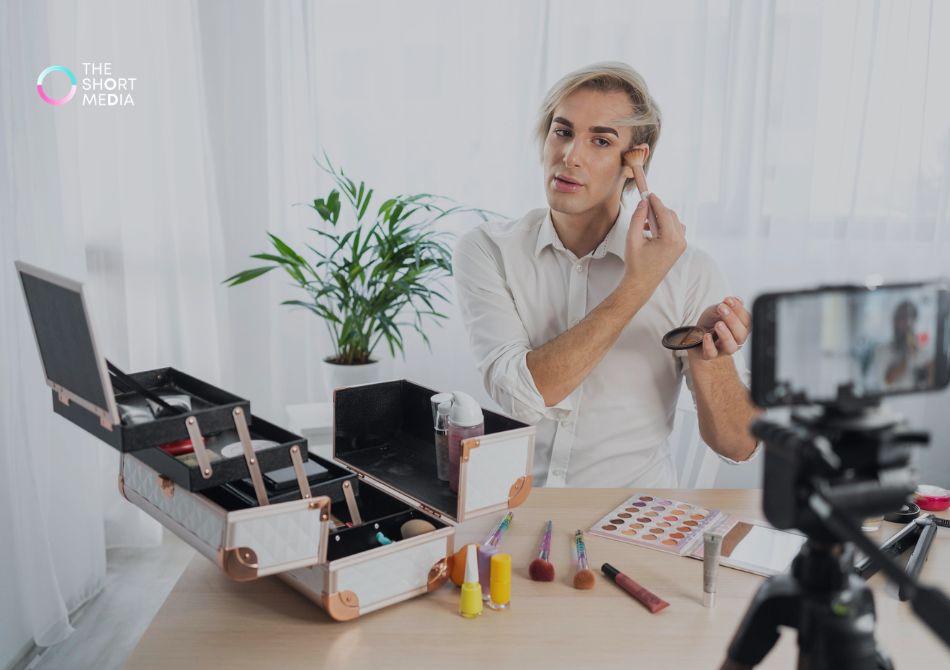
A few months ago, I watched a decent-looking ad for a kitchen storage brand flop on TikTok in under 48 hours. Nice lighting. Clean edit. Proper branding. It looked like something a paid social team would proudly send around on Slack.
Then a creator posted a rougher version from her actual flat. Bit of clutter in the background, phone mic slightly peaking, no polished intro. She just showed how the containers stopped her cereal going stale and mentioned she bought a second set for her mum. That one took off.
That gap matters. It says a lot about tiktok for marketing in 2026, especially for UK brands still treating the platform like a place to repost campaign assets and hope for reach.
TikTok isn’t “new” anymore. That’s not the point. The point is that people are still spending time there in ways that affect what they buy, what they search for later, and which brands they bother remembering. If you work in retail, beauty, food, fitness, home, or even local services, ignoring it now feels less like a cautious choice and more like leaving a useful channel untouched because it’s a bit annoying to learn.
Why tiktok for marketing looks different in 2026
A lot of UK brands have already tested the waters. Some posted a few trend-led clips in 2023 or 2024, got mixed results, then quietly stopped. Usually because nobody internally wanted to admit that the content felt off.
That’s still the common failure point. Not budget. Not even creative volume, really. It’s tone.
The brands getting value from tiktok for marketing now tend to understand that TikTok content has to earn attention fast, but not in the old “shout louder” way. It’s more about relevance, pacing, and whether the video feels like something a real person would actually post or send to a mate.
You can see this clearly with beauty brands. A polished launch film for a new lip product might do very little on TikTok. But a creator filming in her car, showing the shade in daylight and saying, “I thought this would wash me out, but it actually works,” often pulls stronger watch time and better comments. Those comments matter too. They’re full of objections, hesitation, and little bits of buying intent. Half the time they reveal what the product page forgot to explain.
That’s one reason marketing on tiktok has become less of a side experiment and more of a real input into broader campaign planning.
The old social playbook doesn’t travel well here
I’ve seen brands join a trend two weeks too late, use a script that sounds like legal approved every word, then wonder why performance dropped. TikTok is unforgiving about content that feels processed.
That doesn’t mean every post has to be chaotic or trend-heavy. Actually, some of the strongest marketing on tiktok right now is pretty straightforward:
- product demos filmed in normal environments
- creator testimonials that sound unscripted
- quick comparison videos
- founder clips that explain one thing clearly
- response videos built from comments
A US food brand I worked with got more traction from a messy “three lunch ideas with this sauce” video than from a campaign shoot that cost five figures. Why? Because the kitchen looked real, the use case was obvious, and nobody was trying too hard. Similar thing with fitness products. A resistance band demo filmed in a living room usually beats a glossy gym montage if the person on camera actually shows how awkward setup can be at first.
That’s the practical side of tiktok business advertising people sometimes miss. The ad system matters, yes, but the creative behaviour matters more. If the content doesn’t fit the platform, media spend just scales the problem.
Marketing on TikTok means listening in public
One of the more useful things about marketing on tiktok is that it exposes friction quickly. Not in a tidy dashboard way. In comments.
For UK brands, this is especially helpful when you’re trying to understand local buying habits or language. A skincare brand might think its key message is “fragrance-free and gentle,” but the comments are full of people asking whether it pills under SPF, whether Boots stocks it, or whether it works on rosacea-prone skin in winter. That’s not fluff. That’s messaging research handed to you in public.
A local service business can use this too. I’ve seen estate agents, dentists, and clinics get decent traction simply by answering common questions in short videos. Not viral. Just useful. A London dental clinic explaining composite bonding costs and timelines in plain English will probably do better than a glossy brand reel with drone footage of the waiting room.
That’s still marketing on tiktok, even if it doesn’t look like traditional campaign work.
Where paid fits: tiktok business advertising without the usual waste
Let’s talk paid, because plenty of brands are still spending awkwardly here.
tiktok business advertising works best when it doesn’t look like it came from a different internet. Repurposing Meta creative can work sometimes, but usually only if it already feels native. Square product ads with heavy overlays and stiff hooks? You can burn through budget fast.
The better setup is usually a mix:
organic-style creator content, Spark Ads, a handful of direct response edits, and constant iteration based on hold rate, thumb-stop performance, and comment quality. Not just clicks.
A UK home product brand launching into John Lewis or Tesco, for example, might use tiktok business advertising to build familiarity before shelf placement becomes the main conversion point. In that case, success isn’t only last-click online sales. It’s whether people start recognising the product, searching for it, or mentioning they saw it “all over TikTok,” even if it was really six solid paid placements and some good creator posts.
For Amazon brands, tiktok business advertising can be especially useful when the product needs a quick visual explanation. Pet hair removers, cleaning tools, storage hacks, mini printers — the usual suspects, yes, but they work because the benefit is obvious in two seconds. If the demo lands, people will go search. If the creator reads the script too perfectly, they probably won’t.
UK brands have a slight cultural advantage, if they use it properly
There’s something UK brands can do well on TikTok when they stop trying to sound like generic global brands. Dry humour helps. Understatement helps. A bit of self-awareness definitely helps.
Not every brand should be “cheeky,” obviously. But there’s often more room for personality than internal teams think. A home cleaning brand acknowledging that nobody enjoys descaling the kettle is more believable than a hyper-energised product pitch. A grocery brand showing a genuinely quick weeknight dinner for people who can’t be bothered after work will often beat a polished recipe video with twelve ingredients and perfect lighting.
This is where tiktok for marketing gets interesting for UK teams. You don’t need to copy what US brands are doing beat for beat. But you should study the mechanics: fast clarity, creator trust, repeatable formats, comments as research, and creative that doesn’t feel overhandled.
What brands still get wrong
A few patterns keep showing up.
First, too much approval. By the time the video goes live, every interesting edge has been sanded off.
Second, trend chasing without a reason. If the format doesn’t suit the product, people can tell. Painfully.
Third, treating creators like actors. The best creator content usually comes after the brand stops rewriting every line. I’ve sat through rounds of feedback where the first draft sounded natural, and the final version sounded like someone was reading a brochure with a ring light on.
And fourth, expecting instant conversion from every post. Some of tiktok for marketing is direct response. Some of it is memory-building. Some of it just teaches you what your audience actually cares about.
That mix is why marketing on tiktok can be frustrating for teams that want every channel to behave in a tidy, attributable way. But it’s also why it’s useful.
If you’re late, you’re not too late
Plenty of UK brands are still behind. Honestly, that’s fine. The bigger problem is showing up with the wrong expectations.
Start with a small bank of content that feels native. Test creators who already understand your category. Watch the comments properly. Build from the clips that hold attention, not the ones that look nicest in a deck. Use tiktok business advertising to amplify what already has signs of life instead of forcing expensive creative that never belonged there.
That’s usually the shift. Less “campaign asset distribution,” more observation, iteration, and a bit of tolerance for content that feels human.
Not messy. Just human.
FAQs
1. Does TikTok still make sense for smaller UK brands?
It does, especially if your product or service can be shown quickly. You don’t need a huge budget to learn what hooks people, and smaller brands often move faster than bigger ones anyway.
2. How often should a brand post?
More than once a week, ideally, but not at the expense of quality or relevance. Three to five solid posts is better than daily filler. Dead obvious, but still worth saying.
3. Is marketing on tiktok only useful for younger audiences?
Not really. The audience spread is much wider now, and plenty of categories with older buyers do well there. Home products, food, parenting, wellness, even local professional services can all work if the content is grounded in actual questions people have.
4. What kind of content usually performs best?
Demos, comparisons, reactions, “here’s what happened when I tried this,” and creator-led explanations tend to travel well. Studio-polished brand films can work, but usually not as your default.
5. How much should brands spend on tiktok business advertising?
Enough to test properly, not so much that you panic after three days. Most teams need budget for creative iteration as much as media spend. If all your money goes into distribution and the content is weak, you’re basically paying for a clearer view of the problem.