
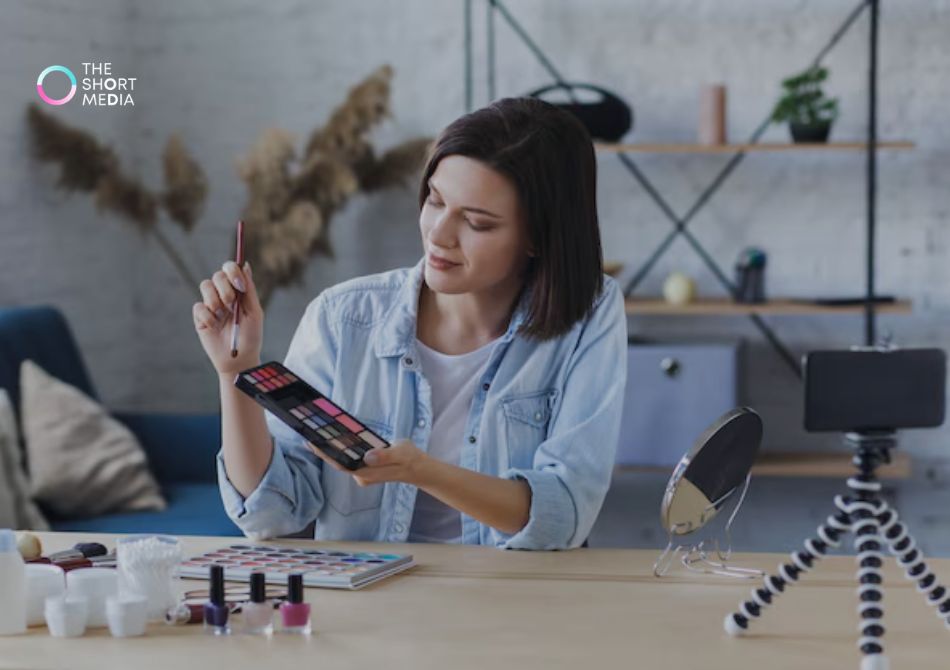
A few months ago, I watched a decent-looking paid social ad for a skincare brand get absolutely ignored on TikTok. Nice lighting. Clean product shots. Sensible copy. It felt like an ad made by people who were very good at making ads. Which was sort of the problem.
A week later, the same brand posted a scrappier video: founder in her bathroom, slightly awkward voiceover, showing how the cleanser actually sat on the skin and why it didn’t sting around the eyes. Comments went from dead silence to people asking where to buy it, whether it worked on rosacea, and if Boots stocked it. Not glamorous. Very effective.
That gap is still where a lot of UK brands struggle. They understand social media. They even understand paid media. But tiktok digital marketing has its own rhythm, and if you treat it like a polished awareness channel, you’ll probably spend money learning the hard way.
What’s actually changing in tiktok digital marketing
The old habit was to think in terms of “viral hits” and trending sounds. That still matters a bit, but not in the lazy way people hoped. A brand jumping on a trend two weeks late with legal-approved captions and a perfectly framed office shot usually lands with a thud. You can almost feel the comments not arriving.
Right now, tiktok digital marketing is moving toward a more blended model: creator-style content, search-friendly video structure, stronger product proof, and paid amplification once something shows signs of life. Less “make a campaign,” more “build a content system that can throw off useful winners.”
For UK brands, that matters because the platform now sits across discovery, consideration, and sometimes conversion in one messy scroll. A local salon in Manchester, a homeware brand selling through Shopify, and a food launch in Tesco won’t use TikTok in the same way, but they’re all dealing with the same thing: people want to see the product, hear a believable point of view, and decide quickly whether they trust what’s in front of them.
Marketing on TikTok is getting more search-driven
This is probably the shift too many teams still underestimate.
A lot of marketing on tiktok now behaves more like search than social in the traditional sense. Not exactly Google, obviously. But users are typing in things like “best fake tan for pale skin,” “meal prep lunch ideas UK,” “how to style a small living room,” or “honest review air fryer liners.” If your content only makes sense as a fleeting trend piece, you miss that longer shelf life.
I’ve seen this especially with beauty, fitness, and home products. A US beauty brand I worked with had one creator video that kept converting because she literally said the problem in the first three seconds: “If every vitamin C serum is irritating your skin, try this texture.” It wasn’t clever. It was findable.
For UK brands, marketing on tiktok should include more plain-English phrasing in the spoken hook, on-screen text, and caption. Think less “our new summer drop” and more “linen trousers for UK weather that aren’t see-through.” Slightly blunt? Sure. But blunt often performs.
Search hooks beat vague branding
This doesn’t mean every video needs to sound transactional. It does mean you should stop hiding the point.
A lot of digital marketing tiktok content fails because the opening line is too soft. Pretty montage, brand logo, ambient music, then eventually the message appears. By then, people are gone. A stronger opening tends to be tied to a use case, objection, or result:
- “This is the meal prep container that doesn’t leak in your work bag.”
- “I tried the £12 mascara people keep comparing to premium brands.”
- “If your dog drags muddy paws through the kitchen, this mop is weirdly good.”
Not elegant. Still works.
Creator content is winning, but only when it feels slightly real
There’s been a lot of talk about creators for years, but the bar has changed. You can’t just hire someone with a ring light and ask them to read a script that sounds like your website copy. The audience can smell it. So can the algorithm, honestly.
The strongest digital marketing tiktok work I’ve seen lately looks like this: a creator who understands the category, a loose brief instead of a rigid script, one clear point per video, and enough room for natural language. If they stumble a bit, fine. If the product demo happens in a kitchen instead of a studio, often better.
I’ve watched an Amazon home product outperform expensive campaign assets simply because the creator showed the shelf liner peeling up at the corners on camera, then explained how she fixed it. That tiny imperfection made the recommendation more believable than a spotless product montage ever would.
For marketing on tiktok, creator selection matters more than follower count in a lot of cases. A niche fitness coach with 18,000 followers who actually knows how to explain protein texture, recovery routines, or gym bag essentials can sell more convincingly than a larger lifestyle creator who’s clearly reading talking points.
The best briefs leave space for friction
This is where many brand teams get nervous. They want consistency. Fair enough. But friction is often what makes the content useful.
Let creators mention what the product isn’t for. Let them compare it to the cheaper option. Let them say, “I thought this would be gimmicky, but…” if that’s true. Comments often reveal the objections your product page missed anyway. Shade matching, delivery times, whether a pan works on induction hobs, whether a supplement tastes chalky. That’s all useful material for the next round of content.
Paid and organic aren’t separate jobs anymore
A lot of tiktok digital marketing strategy still gets split into silos: social team posts organic, paid team runs Spark Ads, creator team manages UGC, ecommerce team worries about conversion rate later. In practice, the brands getting traction are feeding all of those loops together.
Organic posts can be cheap testing. Paid spend can scale the posts that already have watch time and comments. Comment sections can shape landing page copy. Creator whitelisting can extend the life of a video that looked small at first but had the right kind of engagement.
A UK food brand launching into retail, for example, might use TikTok to show actual taste reactions, then run paid behind the strongest clips in regions where stockists are concentrated. That’s more practical than spending weeks building a polished brand film and hoping it somehow drives footfall.
The same applies to local services, which people often forget. A clinic, estate agent, or specialist cleaning company can make digital marketing tiktok work if the videos answer specific local concerns. Before-and-after clips, pricing context, common mistakes, neighbourhood references. Not flashy, but useful.
TikTok Shop, retail tie-ins, and the messy middle
For some categories, especially beauty, accessories, impulse-friendly home buys, and lower-ticket wellness products, TikTok Shop has changed the shape of marketing on tiktok. Not for everyone. Some brands still see stronger economics pushing traffic to their own site or retail partners. But the platform has become much more commerce-native than many traditional marketers expected.
That said, don’t assume adding a shop tab fixes weak content. It doesn’t. The videos still need to carry their weight.
Where I’ve seen this work well is when brands connect content to a buying context people already understand. A snack brand tied TikTok content to “found this in Sainsbury’s meal deal aisle” style posts. A beauty product framed itself around “what I’d actually repurchase from Boots.” A DTC cleaning brand used creator demos that looked like normal Sunday reset content rather than direct response ads. Slightly messy sink, real cupboard, normal voice. Better than any glossy launch edit.
UK brands need to sound local, not just visible
This one gets missed a lot. Especially by brands repurposing US assets.
If you’re doing tiktok digital marketing in the UK, details matter. Pricing in pounds. Local retailers. Seasonal references that make sense here. Tone that doesn’t sound imported. A back-to-school push, bank holiday angle, football culture reference, or “small flat storage” framing can all make a video feel more relevant without trying too hard.
And if you’re using creators, pick people whose audience geography actually lines up with your business. Obvious, yes. Still ignored surprisingly often.
Digital marketing TikTok teams should watch comments like hawks
The comments section is doing more work than many reporting dashboards.
This is where digital marketing tiktok gets genuinely useful for product and messaging teams. You’ll see what people don’t understand, what they think is overpriced, what they’re comparing you to, and whether the hook is landing with the right buyer. Sometimes the comments are brutal, but they’re often more honest than a post-campaign survey.
I’ve seen comments reveal that a product looked too small in video, that a founder’s explanation was more trusted than the influencer version, and that a “luxury” angle was turning off the exact audience the brand needed. That’s not just engagement data. That’s direction.
A practical way to approach marketing on TikTok now
If I were setting this up for a UK brand today, I wouldn’t start with a massive content calendar full of trend ideas. I’d start smaller and sharper.
Build around a few repeatable content angles:
- product demos
- objections and comparisons
- creator-led reviews
- search-friendly problem/solution videos
- retail or purchase-context clips
Then test volume without overproducing. Some of the best marketing on tiktok assets look almost too plain when they’re first posted. That’s fine. Plain is often easier to believe.
And keep your approvals process realistic. If a trend needs three departments and ten days to sign off, it’s probably already dead.
FAQs
1. How often should a UK brand post on TikTok?
More often than most teams are comfortable with, but not at the expense of clarity. Three to five posts a week is a decent working rhythm for many brands if the ideas are varied and you’re actually learning from them.
2. Do polished brand videos still work on TikTok?
Sometimes, but they usually need a stronger reason to exist. If the video looks expensive and says nothing useful in the first few seconds, it tends to drift. A simpler demo shot on a phone can beat it pretty quickly.
3. Is TikTok only worth it for fashion and beauty brands?
Not really. Food, home products, fitness offers, Amazon-led products, local services, even fairly unglamorous categories can do well. The trick is showing the use case properly. A drain-cleaning tool or carpet spot remover can perform better than a “cool” product if the demo is satisfying and believable.
4. Should we use influencers or make content in-house?
Usually both. In-house content helps with speed, product knowledge, and founder voice. Creators add range and credibility. Just don’t hand them a script that sounds like it came from legal and expect magic.
5. How do you know what kind of TikTok content to turn into ads?
Look for signs beyond views. Saves, comments with buying intent, replays, people asking stockist questions, people tagging a friend with a specific need — that’s often more useful than a big vanity number.