
A skincare founder once told me, slightly annoyed, that her TikTok ads were “doing fine” until they weren’t. Same offer, same product, same budget. The drop came fast. What changed? Not the cream. Not the landing page. The issue was the ad itself felt like an ad, and TikTok users had already seen too many versions of it.
That’s usually where creator whitelisting enters the conversation.
For UK brands trying to make TikTok work without burning through budget on stiff, over-produced creative, whitelisting can be the difference between content that gets ignored and content that earns a proper watch, a click, maybe even a sale. It’s one of those things that sounds technical at first, but in practice it’s pretty straightforward. And if you’re already exploring tiktok advertising services, it’s worth understanding because plenty of agencies mention it without really explaining what they’re doing.
What creator whitelisting actually means
On TikTok, creator whitelisting means a brand gets permission to run paid ads through a creator’s account or identity, rather than only through the brand’s own handle.
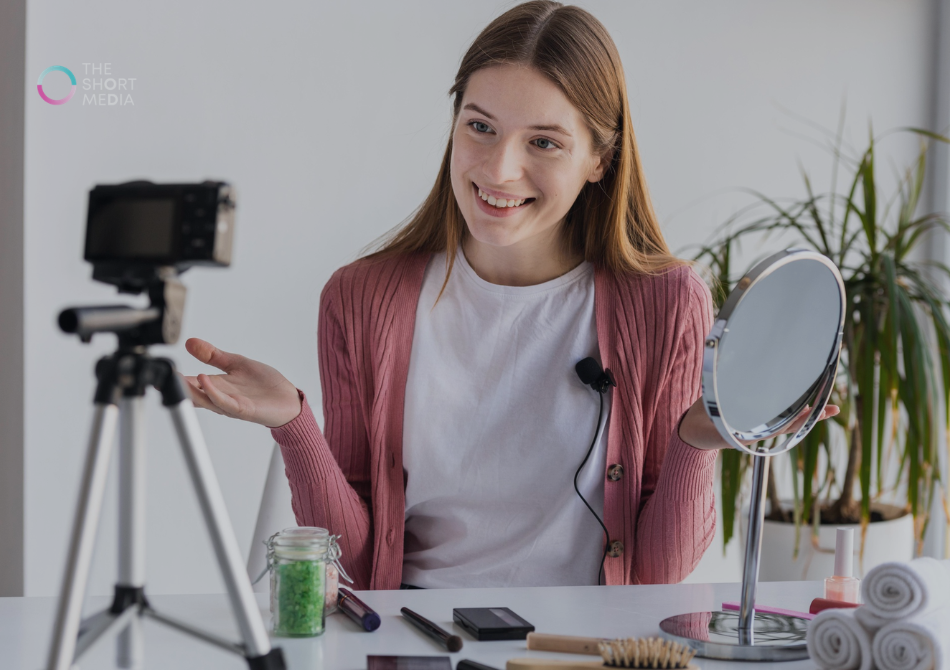
So instead of an ad appearing from “@YourBrandOfficial,” it might appear from a creator your audience already recognises, or at least one that feels native to the platform. That changes the feel of the ad immediately. Less showroom, more recommendation. When it works, it doesn’t feel like a brand barging into the feed.
This is a big part of why tiktok ads services often include creator partnerships now. Not just for content production, but for media buying too.
There’s a practical side to it as well. Whitelisting gives brands more control than a standard influencer post. You’re not just paying for one organic upload and hoping it lands. You can put spend behind the content, test variants, scale the winners, and adjust targeting like any other paid campaign.
Why UK brands keep coming back to it
A lot of UK brands still approach TikTok with creative habits borrowed from Meta or even YouTube. Clean product shots, tidy edits, polished hooks. Sometimes that works. Often it doesn’t.
Whitelisted creator ads tend to perform better because they start from a different place. A creator filming a hair tool in a slightly messy bedroom can beat a studio ad that cost ten times more. I’ve seen a kitchen-shot demo for a US food brand outperform the “hero” campaign because the creator sounded like she actually used the product on a Tuesday, not because legal had approved every word.
That’s the thing. People can tell when a script has been overworked. A creator reading line by line, hitting every selling point too perfectly, usually tanks the comment section. You’ll see it right away. “This sounds sponsored.” “Why are you talking like that?” Not subtle.
For brands using tiktok advertising services, whitelisting is often less about chasing trends and more about making paid social feel believable again.
TikTok advertising services and where whitelisting fits
A good provider of tiktok advertising services shouldn’t treat whitelisting as a trendy add-on. It needs to sit inside a wider creative and media process.
That usually includes:
- finding creators who suit the product and audience
- agreeing usage rights and ad permissions properly
- briefing for performance, not just aesthetics
- editing multiple versions for testing
- running ads through creator identity with brand oversight
- reading comments for objections and new angles
That last bit matters more than people think. Comments under creator-led ads are often more useful than a formal survey. For a fitness product, you might see people asking if it works for small flats. For a home cleaning item, comments might reveal concern about refill costs. For a beauty launch, shade-match complaints can show up before your team notices a conversion dip.
A decent tik tok ads agency will mine those comments and feed them back into creative, landing pages, even product FAQs.
Not every creator is a fit, even if they look good on camera
This is where brands get sloppy.
A creator can have strong engagement and still be wrong for whitelisting. Maybe their tone is too polished. Maybe their audience is broad but not commercially useful. Maybe they’re good organically but awkward once there’s a brief involved. That happens a lot, actually.
I’ve watched creators who are naturally funny turn stiff the second a brand asks for three key messages and a call to action. The ad loses the thing that made the creator effective in the first place.
A smart tik tok ads agency won’t just chase follower count or cheap rates. They’ll look at whether the creator can sell casually. Can they demonstrate a product without sounding like customer support? Can they handle objections naturally? Can they make a local service feel relevant in Manchester or Birmingham rather than vaguely “UK-wide”?
That’s one reason tiktok ads services can be worth paying for when the team knows what they’re doing. Creator selection is part instinct, part pattern recognition, and a bit of trial and error.
The permissions side is less exciting, but don’t skip it
Whitelisting needs clear access and approval terms. Don’t just grab a creator video and assume boosting it later will be simple.
You’ll need to sort out:
- ad authorisation through TikTok’s tools
- usage windows
- markets and territories
- whether the content can be edited for paid use
- if the creator can work with competitors during the campaign
This is where a tik tok ads agency can save a fair bit of admin pain. Especially for UK brands working across multiple markets or with retail launches that need tight timing.
And timing does matter. I’ve seen brands finally approve a trend-led ad after two weeks of internal back-and-forth. By then the sound was stale, the joke had passed, and the creator looked like they’d turned up late to their own party. Whitelisting doesn’t fix bad timing.
What whitelisted ads tend to do well
The strongest creator-whitelisted ads usually aren’t trying to say everything.
They show one useful thing clearly. A kitchen gadget solving an annoying little problem. A foundation close-up in natural light. A dog supplement mixed into food without drama. An Amazon product demo filmed on a counter, not a set. A local aesthetic clinic using a creator to explain what the first appointment actually feels like. Small specifics sell better than polished brand language.
That’s why tiktok advertising services built around creator content often outperform campaigns built from repurposed brand assets.
A good tik tok ads agency will test different hooks, pacing, captions, and openings. Sometimes the winner is the version with a slightly clumsy first line because it feels real. Sometimes a creator saying “I didn’t expect this to work, honestly” beats the approved value proposition by miles. Annoying for the brand team, maybe, but useful.
When whitelisting isn’t the right move
It’s not automatically the answer.
If your product needs heavy education, legal disclaimers, or very careful claims language, creator whitelisting can become awkward fast. Same if your internal team needs six rounds of sign-off on every line. TikTok moves too quickly for that.
It can also fall flat if the offer itself is weak. No amount of tiktok ads services will rescue a product with confusing pricing, a poor landing page, or reviews that raise the same issue over and over.
And some brands simply haven’t figured out their message yet. In that case, paying a tik tok ads agency to scale spend before the basics are sorted is usually premature.
How UK brands should approach it without overcomplicating things
Start smaller than you think.
Test a few creators, not twenty. Brief them with structure, but leave room for their own phrasing. Ask for multiple hooks. Don’t insist on brand language that nobody says out loud. And please, if a creator naturally says “I’ve been using this for a week” don’t rewrite it into “I have incorporated this into my daily routine.” That sort of line kills performance before the media buyer even touches the budget.
If you’re working with tiktok ads services, ask how they handle creator sourcing, permissions, editing, and reporting. Ask who owns the learnings. Ask what happens when a creator video gets good watch time but poor conversion. A serious team will have an answer beyond “we test more creatives.”
The better tiktok ads services are part production partner, part paid social team, part reality check.
FAQs
1. What’s the difference between creator whitelisting and a normal influencer post?
A normal influencer post goes live on the creator’s account and mostly relies on organic reach unless extra ad permissions are set up. Whitelisting gives the brand the ability to run paid media using that creator identity, with more control over targeting, spend, and testing.
2. Do UK brands need a big budget for this?
Not necessarily. You don’t need a massive retail brand budget to test it. A smaller DTC brand can start with a few creators and modest spend, as long as the product margin and landing page make sense.
3. Is whitelisting better than running ads from the brand account?
Sometimes, not always. If the creator content feels credible and native, it can outperform brand-led ads quite badly. But if the creator is miscast or the script feels forced, it won’t save you.
4. How long should a creator whitelisting campaign run?
Long enough to get real signal, short enough that fatigue doesn’t creep in unnoticed. In practice, a few weeks is often enough to spot winners, weak hooks, and comment patterns worth acting on.
5. Can a tik tok ads agency handle the whole process?
Usually that’s the point. A solid tik tok ads agency should manage sourcing, briefing, permissions, editing, testing, and reporting. Though it’s still worth checking how hands-on they actually are with creators, because some outsource half of it.