
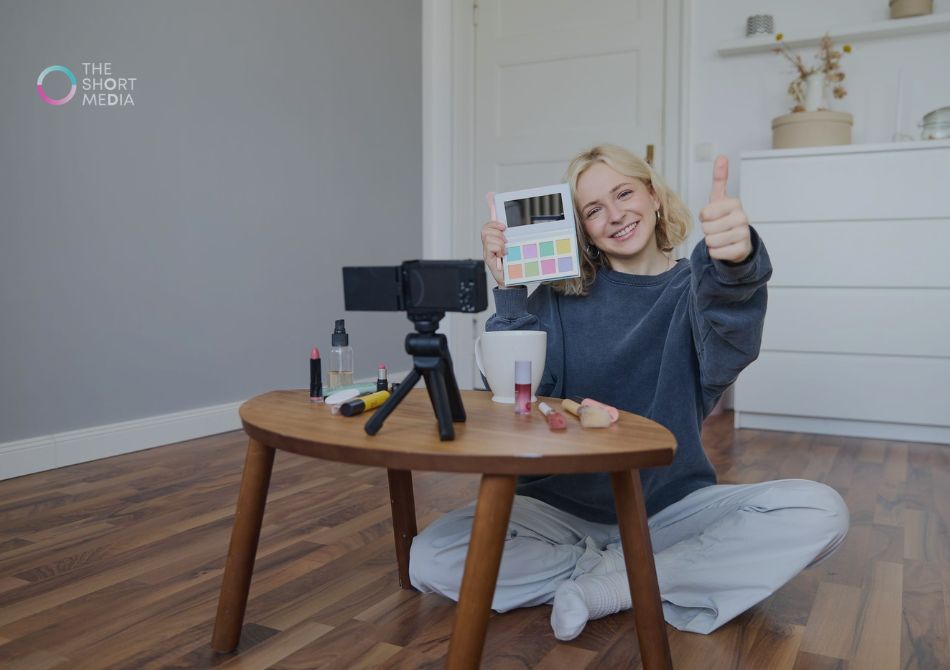
A couple of years ago, a lot of teams treated TikTok like a scratch card. Post something quick, hope it pops, move on. If it didn’t hit in 24 hours, everyone got twitchy. I’ve sat in those meetings. Someone asks why a video “only” got 12,000 views, even though the comments are full of people asking where to buy, whether it works on curly hair, or if there’s a version for sensitive skin. Useful signals, ignored because the graph didn’t spike hard enough.
That mindset is starting to look expensive.
What’s changed is not just the platform. It’s how smart teams are using the content after it goes live. A decent TikTok now isn’t just a post. It’s raw material for paid ads, product page embeds, creator whitelisting, Amazon video, retail sell-in decks, even customer research. If you’re doing tiktok brand marketing properly, you’re not judging a video only by what happened in the first 48 hours.
You’re asking whether it has legs.
The shift in tiktok brand marketing: from post-by-post to asset-building
A lot of brand marketing on tiktok still gets handled like a trend-chasing exercise. Quick brief, rushed approval, awkward script, post, pray. Then repeat. The problem is that this creates a pile of disposable content and not much else.
The better approach is closer to building a content library. Not polished “hero” assets, either. Usually the opposite.
A founder talking through why the formula changed. A kitchen demo showing how a frozen food product actually crisps up in an air fryer. A fitness creator comparing resistance bands after three weeks of use, not just unboxing them. A local med spa filming a front-desk staff member answering the questions people always ask before booking. Those clips can keep working long after the initial post.
I’ve seen a home cleaning brand pull an old TikTok into paid six months later because comments showed people were still asking whether it was safe on quartz. We cut a new hook onto the front, tightened the pacing, and it became one of the better-performing paid assets in the account. Not flashy. Just useful.
That’s the part people miss with brand marketing on tiktok. Sometimes the value isn’t the original post. It’s what the post gives you afterward.
The best TikToks often don’t look important at first
This is where teams get tripped up. They assume the long-term asset will be the most polished piece, the one with the proper set, nice lighting, expensive edit. Sometimes, sure. But often it’s the scrappier video that carries more weight.
A product demo filmed in someone’s actual kitchen can outperform studio content because it answers the little doubts people have before buying. Does the pan warp? Does the sauce stain? Is the protein powder clumpy? You can hear the cupboard door in the background, the dog barks once, and somehow that helps.
In tiktok brand marketing, those details matter because they make the content reusable across the funnel. The same clip can drive discovery, then help conversion later on a landing page or Amazon listing. A beauty brand might post a “get ready with me” using a skin tint, then cut the wear-test section into a paid ad, then drop the shade-match comments into PDP copy. That’s not just content production. That’s asset creation.
And honestly, comments are half the value sometimes. I’ve watched comments reveal objections the sales page completely missed: too orange, too bulky, too sweet, too hard to clean, too small for a family of four. Good brand marketing on tiktok pays attention there because those objections usually show up in conversion rates later.
Why creators matter more when you think beyond the feed
There’s a difference between hiring creators for a one-off post and building a bank of usable creator-led assets. The second one tends to age better.
When a creator reads a script too perfectly, you can feel the life leave the video. It happens all the time. The brand has spent weeks wordsmithing five “key messages,” and the final result sounds like someone memorising a press release in a hoodie. It might satisfy internal stakeholders. It usually doesn’t give you much to work with later.
For brand marketing on tiktok, creators are more valuable when they can produce footage that feels flexible. Different hooks. Alternate openings. A close-up demo. A reaction shot. A version where they mention price early, another where they don’t. That gives paid social teams something to test, and it gives the brand more than a single post.
A US food brand launching into Target might work with five creators and ask each of them for one posted TikTok plus three raw cutdowns. One video becomes social proof for retail buyers. Another gets used in Spark Ads. One rough clip of the product straight out of the freezer ends up on the brand’s product page because it explains prep better than the official photography ever did.
That’s brand marketing on tiktok when it’s being treated seriously. Not as a trend report. As a content engine.
Old TikToks can keep earning their keep
There’s a weird habit in marketing teams where once a post is “old,” everyone acts like it’s dead. On TikTok, that’s often not true.
A strong piece of content can be refreshed, re-edited, reposted, or repurposed somewhere else entirely. Maybe the original hook was weak, but the middle 12 seconds are excellent. Maybe the post underperformed organically because the brand joined a trend two weeks too late, but the core demo is still solid. Maybe a creator’s original caption didn’t help, but the footage itself is useful.
I’ve seen tiktok brand marketing work best when teams tag and sort content properly after publishing. Not glamorous, but helpful. Save clips by objection, use case, audience type, product angle. “Messy bun hair tutorial.” “Before school breakfast prep.” “Pet hair on sofa.” “Apartment-friendly treadmill.” Once you do that, your content starts acting less like social output and more like a media library.
That matters for brand marketing on tiktok because the cost of making decent content keeps climbing if you constantly start from zero.
What makes a TikTok useful for the long haul
Not every post deserves a second life. Some are too trend-dependent. Some only make sense in the week they were posted. Fine. But the content that lasts usually has a few things going for it.
It shows the product clearly without feeling like a catalogue.
It answers a real buyer hesitation, even if indirectly.
It has edit points. You can cut it shorter, swap the hook, add text, pull stills.
And it doesn’t rely entirely on a joke that’ll feel stale next month.
That’s why brand marketing on tiktok tends to work better when brands brief for scenarios, not just concepts. Instead of “make something fun around our new supplements,” you brief “show how this fits into a 6 a.m. gym routine when you’re tired and running late.” Instead of “highlight our cleaning spray,” you ask for side-by-side footage on greasy stovetops, with gloves off, normal lighting, no fake shine added in post. More specific. More usable later.
Brand teams need a different approval mindset
This part is less exciting, but it’s usually the thing slowing everything down.
If every TikTok has to pass through the same approval stack as a TV spot, the content comes out stiff and late. Then the team wonders why tiktok brand marketing feels forced. Well, because it is. The platform punishes overhandled content in a pretty obvious way.
That doesn’t mean skipping brand safety or legal review. It means knowing what actually needs scrutiny and what just needs common sense. A skincare brand making claims around acne treatment needs careful review. A creator showing how they pack the product in a gym bag probably doesn’t need three rounds of copy edits.
The brands getting better at brand marketing on tiktok usually separate “must-control” from “shouldn’t overthink.” They also accept that some of the most valuable footage won’t look expensive. That can be hard for senior stakeholders, especially if they’re used to judging quality by polish.
TikTok content has a longer shelf life than many teams think
If you’re still measuring TikTok like a slot machine, you’ll keep missing the actual value. Some posts do spike and disappear. Others quietly become your best FAQ answer, your strongest paid hook, your most convincing product demo, your retail proof point.
That’s why tiktok brand marketing is maturing a bit. The brands doing it well aren’t just trying to win the feed for a day. They’re building a stack of content they can keep using, reshaping, and learning from.
And that’s a much better return than a brief little viral moment everyone forgets by next Thursday.
FAQs
Q1: How long should brands keep TikTok content in rotation?
Longer than most teams do. If a video has a strong demo, clear comments, or a useful objection-handling angle, it can still be valuable months later. Just update the hook, trim dead space, or test it in a different placement.
Q2: Does every TikTok need to be repurposed?
Not really. Some posts are tied to a trend, a seasonal joke, or a moment that’s already passed. The trick is spotting which pieces have practical value beyond the feed.
Q3: What kind of TikTok content tends to age well?
Demos, comparisons, routines, reactions, before-and-after footage, and creator explanations usually hold up. Especially when they answer something a shopper would genuinely want to know before buying.
Q4: Should brands prioritise organic or paid first?
Depends on the team and budget, but organic can be a very good testing ground. You’ll often see in the comments whether the angle is landing, whether the product claim is believable, or whether people are confused by the offer. That’s useful before putting serious spend behind it.
Q5: Is polished production a bad idea on TikTok?
Not bad. Just not automatically better. I’ve seen expensive edits lose to a phone-shot clip because the polished version looked like an ad too early, while the rougher one got to the point faster.