
I’ve sat in enough paid social meetings to recognise the moment a team realises the old funnel slide isn’t helping anymore.
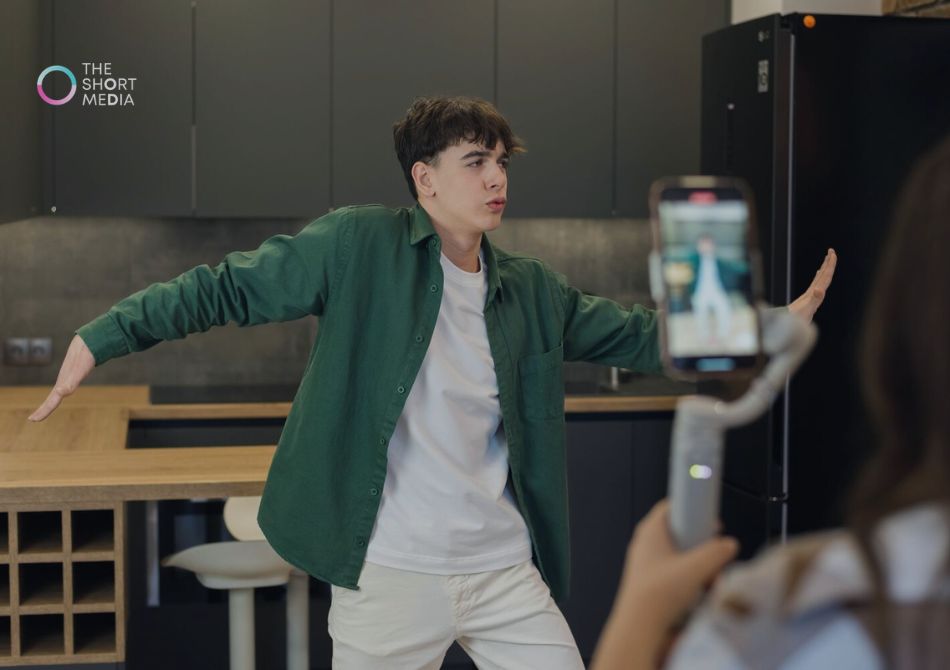
You know the one. Awareness at the top, consideration in the middle, conversion at the bottom. Nice colours. Clean arrows. Then someone pulls up the actual campaign data and it gets awkward. A scrappy creator video filmed in a flat kitchen drives purchases on day one. A polished brand film gets loads of impressions and not much else. Comments under the ad are doing half the sales work. Retargeting helps, sure, but not in the tidy sequence the slide promised.
That’s a big part of why TikTok Ads have started to mess with funnel-based planning. Not because the funnel is completely dead. It isn’t. But because user behaviour on TikTok rarely follows that neat, staged path marketers were taught to build around.
TikTok Ads don’t behave like a tidy funnel
Traditional funnel thinking came from channels where people moved a bit more predictably. Search had intent. Display had reach. Retargeting picked up the stragglers. Creative changed depending on where someone sat in the journey.
TikTok is messier than that.
A person can see a product for the first time, watch a 22-second demo, read three comments, click through, check the price, get distracted, come back later through search, then buy after seeing a different creator use it badly but honestly. That’s not a clean funnel. It’s more like a loop with interruptions.
When teams start advertising on tiktok ads, they often bring over the same campaign logic they use on Meta or YouTube. Top-of-funnel videos for broad audiences. Mid-funnel explainers. Bottom-funnel conversion ads with urgency and offers. Sometimes that works. Plenty of times it doesn’t.
What tends to work better is creative that can do more than one job at once.
A decent TikTok ad can introduce the product, show how it fits into real life, answer an objection, and give someone enough confidence to click. All in under 30 seconds. That’s a very different creative brief from old funnel thinking, where each stage had its own asset and role.
The feed collapses stages people used to keep separate
This is the bit some marketers still resist. They want awareness creative to stay “light” and conversion creative to stay “salesy.” TikTok doesn’t really care about that distinction.
A strong piece of content in the feed can create interest and close it fast, especially for lower-priced products. I’ve seen this with beauty brands selling a £24 serum equivalent in the US market, fitness accessories, kitchen gadgets, even local services with a surprisingly direct hook. A plumber won’t go viral every week, obviously, but a local home service brand showing a before-and-after fix with a voiceover can get both attention and leads from the same post.
That’s why TikTok Ads often flatten the journey. Not every product is an impulse buy, but the platform compresses discovery and decision-making far more than older models assumed.
And the comments matter more than many teams expect. I’ve watched comments reveal objections the landing page completely missed. Shade match confusion for a beauty launch. Questions about dishwasher safety for a food container brand. Someone asking if a resistance band rolls down during squats — and getting five customer replies before the brand even noticed. If you’re advertising on tiktok ads, those comment threads aren’t side noise. They’re part of the conversion path.
Why old campaign planning starts to feel stiff
A lot of funnel-based planning assumes control. You choose the message, sequence the exposure, and guide the user through each step. TikTok is less obedient than that.
Users don’t consume ads in order. They don’t always meet your brand through the official account. Sometimes the best-performing paid asset is a whitelisted creator post that feels slightly rough around the edges. Sometimes a founder video outperforms the agency-cut version because the founder sounds like they actually use the product — imagine that.
One thing I’ve seen repeatedly: when a creator reads a script too perfectly, performance drops. The pacing gets weird. The pauses sound rehearsed. The ad starts feeling like an ad in the wrong way. But give that same creator a looser brief and let them describe the product in their own words, and suddenly the hook lands.
That’s part of the shift. advertising on tiktok ads isn’t only about audience targeting and budget structure. It’s creative operations. Fast feedback. Knowing when a trend is already over. Honestly, some brands arrive two weeks late to a sound or format and then wonder why the numbers look soft.
Advertising on TikTok Ads means building for response, not just reach
This is where teams usually need to change habits.
On older channels, brands could get away with separating brand creative from performance creative pretty aggressively. On TikTok, that split often creates average work on both sides. The feed rewards things that feel responsive to how people actually watch and react.
So when you’re advertising on tiktok ads, it helps to think less about “top vs bottom funnel” and more about whether the ad earns attention quickly, explains enough, and feels believable.
That might mean:
- a home product demo shot on a kitchen counter instead of in a studio
- a supplement brand showing the texture, taste, and routine in one clip
- an Amazon product ad that opens with the exact problem people complain about in reviews
- a retail launch where the strongest asset is a store employee filming what sold out first
None of this is especially glamorous. It’s just effective.
I’ve seen studio content lose to a handheld demo with bad natural lighting because the demo answered the real buying question. Does it stain? Does it fit under the sink? Is it loud? Can you do it one-handed? That kind of thing.
The funnel isn’t gone. It’s just less useful as the main organising idea
There are still cases where staged messaging matters. Expensive products, longer sales cycles, B2B offers, considered purchases with multiple stakeholders — sure. You’re not going to fix all that with one funny clip and a promo code.
But even then, TikTok Ads tend to influence the journey in ways traditional models understate. A prospect might not convert immediately, but they can build familiarity through repeated exposure to creators, product use cases, comment threads, and social proof. That’s still movement. It just doesn’t look like the old chart.
For ecommerce and consumer brands, especially, advertising on tiktok ads often works best when the team stops obsessing over forcing assets into rigid funnel buckets. Better question: what does this viewer need to believe in the next 15 seconds to keep going?
Sometimes it’s “that looks easy.”
Sometimes it’s “that actually solved the problem I have.”
Sometimes it’s just “that person seems real.”
What teams should do instead of worshipping the funnel
If I were starting fresh with a brand today, I wouldn’t throw out structure completely. I’d just use a different one.
Build around creative angles, audience signals, and proof points. Test hooks against objections. Watch comment patterns closely. Treat landing pages and ad comments as part of the same system. And stop assuming the most polished asset deserves the biggest budget.
For brands advertising on tiktok ads, a few habits matter more than the old funnel deck:
Make each ad carry more weight
Your ad shouldn’t rely on three future touchpoints to do the explaining. It needs to stand on its own more often than not.
Use creators who sound like people, not media-trained spokespeople
A little roughness helps. Not chaos. Just enough that it feels lived-in.
Mine comments for sales objections
This is one of the easiest wins and still gets ignored. If ten people ask whether a product works on textured hair, that belongs in the next round of creative.
Don’t separate organic learning from paid strategy
Some of the best paid ideas come from posts that weren’t intended as ads at all. A weirdly specific demo. A customer complaint turned into a response video. A founder explaining why the packaging changed.
Accept that performance may come from unlikely places
Not every winner will look “on-brand” in the traditional sense. That can be uncomfortable for teams used to tighter control.
TikTok Ads are pushing marketers toward a different model
What’s replacing the funnel isn’t chaos. It’s a more compressed, feedback-driven system where content, commerce, and conversation happen close together.
That’s why TikTok Ads feel so disruptive to older planning models. They expose how often people don’t move in stages. They bounce, compare, lurk in comments, screenshot, search, come back, and buy from the ad that finally answers the practical question in their head.
And if you’re advertising on tiktok ads, that’s the job now: make ads that can attract, explain, reassure, and convert without waiting politely for the next funnel step.
A lot less elegant than the old diagrams. Much closer to how people actually behave.
FAQ's
1. Are funnel-based models completely outdated now?
Not really. They’re still useful as a rough planning tool, especially for higher-consideration purchases. They just become less reliable when you treat them like a literal map of user behaviour on TikTok.
2. Why do TikTok campaigns often convert from “awareness-style” videos?
Because viewers aren’t politely waiting for your conversion ad. If the first video they see is convincing enough — good demo, believable creator, clear value — they may act straight away.
3. Is advertising on tiktok ads only good for impulse purchases?
No, but it’s definitely easier for lower-priced products. For more expensive offers, the platform often works as an influence layer that builds familiarity and handles objections early, even if conversion happens later elsewhere.
4. Should brands still run retargeting?
Absolutely. Just don’t expect retargeting to rescue weak creative. If the first touchpoint is vague or overproduced, the follow-up ads usually inherit that problem.
5. What type of creative tends to work best?
Usually the stuff that looks like someone actually uses the product. Beauty routines in a real bathroom. Food prep on a cluttered counter. A creator showing the part that usually goes wrong. Perfectly lit studio edits can work, but they’re not automatically better. Often the opposite, honestly.