
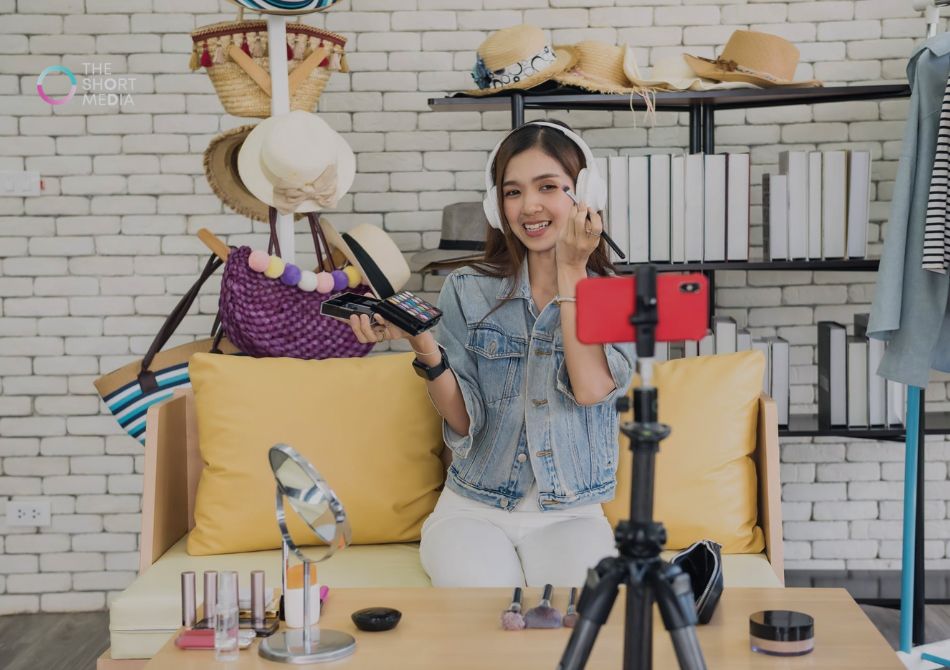
A few months ago, I watched a skincare brand spend a decent chunk of budget on polished TikTok videos that looked, frankly, like cut-down Instagram ads. Nice lighting. Clean product shots. Founder soundbites. Almost no movement in the comments. Then they posted a much scrappier clip: someone in a bathroom showing how the cleanser actually foamed up on camera, with slightly awkward voiceover and a few real objections answered in the caption. That one started pulling sales.
That’s pretty much the mood with TikTok Shop. The brands that treat it like a living sales channel tend to find traction. The ones that treat it like another place to dump campaign assets usually don’t.
For UK ecommerce brands, there’s a real opportunity here, but it’s not as simple as listing products and hoping a few creators do the heavy lifting. You need content that feels native, offers that make sense, and a team that can move quickly when something starts working. Or when something flops. Which happens too.
TikTok Shop isn’t just a checkout feature
A lot of brands still talk about TikTok Shop as if it’s mainly a payments add-on. It’s not. It’s a retail environment built around attention, impulse, creator trust, and a very specific kind of product storytelling.
That matters because the creative brief changes.
On your own site, you can get away with cleaner messaging and a stronger assumption of intent. On TikTok, people are half-distracted, moving fast, and often discovering the product before they’ve even decided they have the problem. That’s why a kitchen demo for a cleaning spray can beat a studio video. Why a supplement founder speaking a bit too carefully can underperform compared with a creator who sounds like they’ve actually used the thing for three weeks.
I’ve seen comments on product videos do more conversion work than the landing page. A hair tool brand kept getting the same question: “Does this work on thick hair or just already-styled hair?” That objection barely appeared on the PDP. Once they started answering it directly in videos, conversion improved.
That’s the kind of feedback loop TikTok Shop gives you, if you pay attention.
What UK brands get wrong early on
There’s a pattern here.
First mistake: assuming the product will carry the content. Sometimes it does, especially if it’s visually obvious, like a stain remover or a before-and-after beauty item. But a lot of products need framing. A pantry brand, a home organiser, even a pet product often needs a stronger hook than “here’s our item.”
Second mistake: making everything too branded. If every video looks approved by six stakeholders, you’ll feel it in performance. The creator reads the script too perfectly. The edit lands half a second too clean. The trend is already old by the time legal signs it off. You can almost see the approval chain in the final cut.
Third: expecting ads alone to fix weak organic signals. Paid can absolutely help, and good tiktok marketing services can structure that properly, but if the offer, social proof, and creative angle are off, spend just reveals the problem faster.
The content mix that usually works
You don’t need 50 random videos a week. You do need range.
For most ecommerce brands, the strongest TikTok Shop setups include a mix of:
- creator-led demos
- founder or team clips
- customer-style problem/solution content
- comment-response videos
- offer-led posts tied to bundles, limited drops, or seasonal moments
That mix matters because different content does different jobs. A creator demo might stop the scroll. A founder clip might handle trust. A rough comment-response video often clears up objections better than your ad copy ever will.
For a food brand, that might mean one creator showing how they actually use the sauce in a quick lunch, while the brand account posts a simple “what it tastes like if you hate overly sweet BBQ sauces” video. For a fitness product, maybe a creator uses it badly on purpose first, then shows the proper setup. That sort of thing tends to feel more believable than over-rehearsed perfection.
Some brands also benefit from outside support here. Solid tiktok promotion services can help source creators, organise briefs, and keep enough testing volume going without the internal team burning out by week three.
Why creator selection matters more than follower count
This still gets mishandled all the time.
A mid-sized creator with believable delivery and decent comment engagement will often outperform a bigger one who treats the video like a generic sponsorship slot. Especially on TikTok Shop, where the sale often comes from specificity.
You want creators who can make the product fit into their real environment. A homeware product filmed in an actual flat in Manchester will usually land better for a UK audience than an overly polished set that could be anywhere. Same for beauty, snacks, cleaning products, even baby gear.
And don’t ignore smaller creators. Some of the best converting content comes from people who aren’t “influencers” in the traditional sense. They just know how to explain why they like something without sounding like they’re reading from a deck.
That’s where experienced tiktok promotion services and tiktok marketing services can be useful. Not because they magically make content good, but because they know how to brief for realism, not just reach.
Offers matter more here than some brands want to admit
Plenty of ecommerce teams want to believe great creative is enough. Sometimes it is. Usually it isn’t.
TikTok Shop responds well to a reason to buy now. That doesn’t always mean heavy discounting, but it often means some kind of nudge: exclusive bundle, first-order incentive, low-friction add-on, limited-time gift, retail launch tie-in, or a product pairing that feels smart.
A beauty brand selling a hero serum might do better with a “night routine bundle” than a single-SKU push. A home brand can package refill packs with the starter item. An Amazon seller launching direct-to-consumer in the UK might use TikTok-first pricing for a month just to generate velocity and reviews.
Not glamorous. Effective, though.
And if you’re using tiktok marketing services, this is one area where they should be pushing back on weak offers, not just asking for more ad budget.
Paid support still matters, but it’s not the whole story
Some brands swing too far into “organic only” thinking. I wouldn’t.
Paid support helps you scale what’s already showing signs of life. It helps you test hooks faster. It gives stronger content a second life. But if the only videos that exist are highly produced ad assets, the account usually feels flat.
The healthier approach is to let organic and paid inform each other. A creator post gets strong saves and comments? Turn it into paid. A paid variation with a sharper first three seconds starts converting? Feed that hook back into the next creator brief.
The better tiktok marketing services teams work this way. They’re not separating “content” and “media” like two unrelated departments. They’re watching what people actually respond to, then adjusting quickly.
That speed matters. I’ve seen brands jump on a trend two weeks late and wonder why it died. On the flip side, I’ve seen a local service business — not even classic ecommerce — use a simple reaction-style format around common customer mistakes and suddenly get cheap, qualified traffic.
Operations can quietly kill momentum
This bit is less exciting, but it matters.
You can get the content right and still stall if fulfilment is slow, stock levels are shaky, product pages are thin, or customer service can’t keep up with comment volume. TikTok Shop can create spikes that expose weak operations fast.
For UK brands, that means checking the basics before you push hard:
The practical stuff people skip
Make sure your shipping windows are clear. Make sure your product titles make sense in-platform. Don’t upload bland PDP copy and assume the video will do all the work. If your reviews mention sizing issues, skin sensitivity, assembly time, or battery life, address those points directly.
A lot of this sounds obvious, but it’s usually the boring stuff that drags performance down.
And yes, if you’re working with tiktok promotion services, they should be asking about stock, margins, and fulfilment too. If they’re only talking creative, they’re missing half the picture.
A sensible playbook for getting started
If I were advising a UK ecommerce brand from scratch, I wouldn’t overcomplicate it.
Start with a handful of products that already have some proof elsewhere. Ideally items with repeatable use cases, visible benefits, or easy demos. Build 15 to 25 pieces of content around different angles, not just different edits of the same script. Bring in a mix of creators. Keep the briefs clear but not over-controlled.
Then watch for specifics:
- Which hooks get comments from the right buyers?
- Which objections keep appearing?
- Which creators sound credible?
- Which bundles actually move?
That’s where tiktok promotion services and tiktok marketing services can earn their keep. Not by flooding you with jargon. By helping you test enough, spot patterns early, and avoid wasting a month polishing videos nobody wanted.
FAQs
1. Is TikTok Shop worth it for smaller UK ecommerce brands?
It can be, especially if you sell something people can understand quickly on video. You don’t need a massive team, but you do need enough flexibility to test content, adjust offers, and keep stock moving.
2. Do I need creators, or can I just post from the brand account?
Brand account content can work. Still, creators usually help because they bring different environments, voices, and levels of trust. A mix tends to be stronger than relying on one source.
3. How many videos should a brand post each week?
There isn’t one perfect number. I’d rather see 4 to 7 decent tests than 20 repetitive posts that all use the same tired hook. Volume helps, but only if the ideas are actually different.
4. Are discounts necessary to make sales?
Not always. But some kind of buying reason helps. Bundles, exclusives, launch pricing, gifts-with-purchase — those often do the job without training customers to wait for heavy markdowns.
5. What products tend to do well on TikTok Shop?
Beauty, food, home products, gadgets, fitness accessories, problem-solving items. Usually products that show well on camera or solve something people can recognise quickly. A boring category can still work if the angle is sharp enough.