
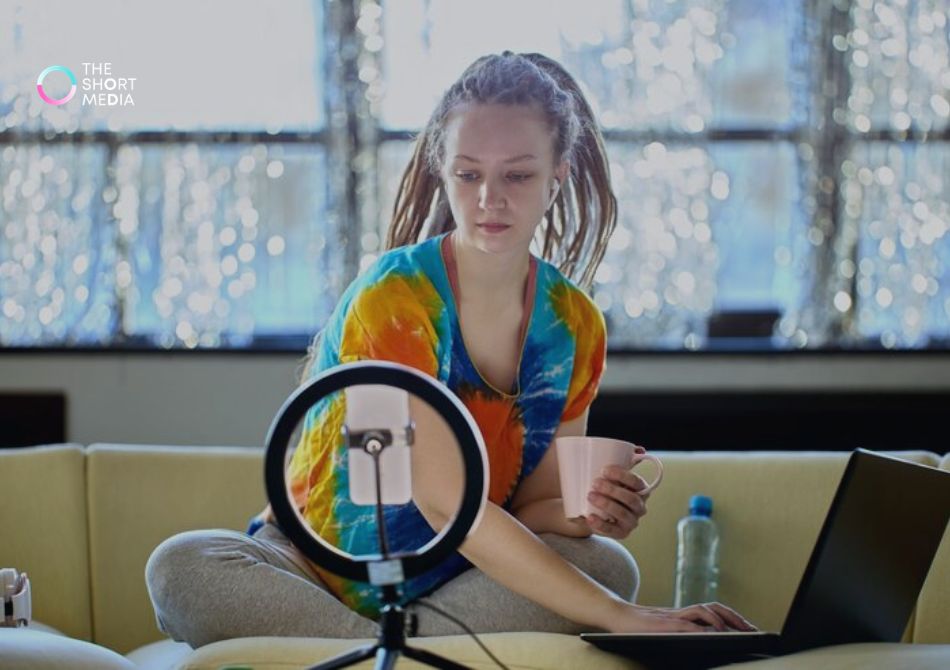
A few months ago, I watched a UK skincare brand burn through budget on TikTok with ads that looked expensive, tidy, and completely lifeless. Nice lighting. Clean product shots. A voiceover that sounded like it had been approved by six people in a Google Doc. The comments were brutal. Not even mean, really—just indifferent. “Is this an ad?” “Why is she talking like that?” “Does it actually work on acne?”
Then they swapped in a rougher cut. Same product. Same offer. Different energy. A creator filmed it in her bathroom mirror, stumbled slightly over one line, showed the texture on her hand, and mentioned she’d been using it after tretinoin irritation. Conversions improved fast.
That’s the bit a lot of teams miss with advertising on tiktok ads. People don’t respond to polish first. They respond to cues. Tiny signals that tell them whether to keep watching, whether to trust what they’re seeing, and whether this thing feels relevant to their life right now.
If you’re running tiktok ads for business in the UK, the psychology matters as much as the targeting and creative specs. Probably more.
Advertising on TikTok Ads is Really About Attention, Not Just Reach
TikTok isn’t a platform where you get much credit for showing up. You have to earn the next second.
That sounds obvious, but you can see the mistake in a lot of tiktok business ads. They open with the logo, a brand slogan, maybe a carefully framed pack shot. By then, the viewer’s already gone. The ad didn’t create enough tension, curiosity, recognition—something to make the thumb pause.
The strongest UK campaigns usually understand that attention on TikTok is pattern-based. People stop when something feels familiar enough to understand quickly, but different enough to deserve a look.
For example:
- A food brand opening with “I thought this would taste grim, honestly” will often beat a clean “Try our new protein snack.”
- A local cleaning service showing a genuinely filthy oven in a semi-detached house kitchen feels more believable than a spotless before-and-after that looks staged.
- A home storage product demo filmed on a cluttered bedroom floor can outperform a studio setup because the mess feels real. And people know real when they see it.
That’s why tiktok ads for business often work best when the first frame looks like content, not media buying.
The trust signals people pick up in half a second
Most viewers won’t consciously say, “I trust this because the creator looked slightly awkward and the lighting wasn’t too good.” But that is, more or less, what happens.
Trust on TikTok is built from small human details. Not fake “authenticity,” which is usually obvious. Actual human texture.
Imperfection helps, up to a point
A creator reading a script too perfectly can kill performance. I’ve seen this over and over, especially with beauty and wellness brands. The second it sounds memorised, comments start poking holes in it. The ad feels borrowed.
But rough doesn’t mean careless. You still need clarity. Good creators know how to sound natural while landing the product point early. There’s a difference between “casual” and “rambling for 14 seconds before mentioning the product.”
For tiktok business ads, the sweet spot is usually:
- a strong first line
- a visible product in use
- a believable personal angle
- enough structure that people understand what’s being sold
Not a polished testimonial. Not a corporate explainer. Somewhere in between.
Specificity beats generic praise
“This is amazing” is weak. “I used this after the gym because my old shaker leaked all over my car seat” is stronger.
That’s because specific details reduce the mental distance between the viewer and the claim. They can picture the problem. They can picture themselves in it. Fitness brands do well with this when they stop talking like supplement labels and start sounding like actual customers.
Same with Amazon products. A kitchen gadget ad saying “perfect for busy families” is forgettable. A creator saying, “I bought this because my toddler only eats fruit if I cut it into tiny stars” is strange, specific, and memorable. Sometimes a bit oddly specific is exactly what works.
Why social proof works differently on TikTok
On Meta, social proof often looks like ratings, review counts, maybe a founder quote. On TikTok, it’s more behavioural.
People look at comments. They notice whether the creator seems like someone who would actually use the product. They notice whether objections are answered naturally or ignored.
I’ve seen comments do half the conversion work for tiktok ads for business, especially in categories like beauty, food, and home products. A comment saying “I thought this was gimmicky but I ordered a second one” can carry more weight than a polished claim in the video itself.
And comments can reveal what your landing page missed. If people keep asking whether a self-tan transfers onto sheets, or whether a cleaning product is safe around pets, that’s not just engagement. That’s conversion friction, sitting there in public.
Good tiktok business ads don’t hide from that stuff. They build the next creative around it.
UK audiences usually want less hype, more proof
This isn’t a hard rule, but it comes up enough to matter. UK viewers tend to be less patient with overblown ad language than US audiences. If the tone feels too breathless, too “OMG you need this,” performance can dip pretty quickly.
That doesn’t mean ads in the UK need to be dry. Just grounded.
A British meal-prep brand, for instance, will often do better showing what the food actually looks like after microwaving, with a creator saying it’s “better than I expected, to be fair,” than trying to force big emotional claims. Slight understatement can work in your favour here. It feels more credible.
For advertising on tiktok ads, local tone matters more than brands expect. If your creative was made for a US audience and simply pushed into the UK account, people can feel the mismatch. Accent, humour, references, even how directly the product is sold—it all affects response.
The best-performing TikTok ads usually understand one emotion well
Not ten emotions. One.
A lot of bad ad creative tries to cram everything in: problem, solution, offer, social proof, urgency, lifestyle aspiration, founder story. It ends up sounding like a rushed pitch deck.
The ads that convert tend to anchor on one emotional driver and build around it.
Relief
This works well for pain points people already want solved. Think posture correctors, stain removers, under-eye patches, pet hair tools. The creative shows the annoying thing, then the release from it. Simple.
Vanity, but in a normal way
Beauty brands know this, though some still overdo it. A mascara ad that shows one eye done and one eye bare is often enough. You don’t need a dramatic transformation speech. Just let the visual do the work.
Avoiding regret
This one shows up a lot in retail launches and limited product drops. Not fake scarcity. Real “I ignored this the first time and then it sold out.” It can work well for DTC home products, seasonal items, and certain fashion categories.
Curiosity
A weird texture. An unexpected use case. A product that solves a niche annoyance. Curiosity is often the hook, not the closer. But it gets you the watch time you need.
With tiktok ads for business, the mistake is often trying to trigger too many of these at once.
Creative that feels native usually wins, even when the media team hates it
Some of the highest-converting ads are the ones internal teams initially resist. They look too simple. Too creator-led. Too unbranded. Maybe the product label isn’t perfectly front-facing for the first three seconds. Maybe the kitchen counter is messy.
And yet. They work.
A product demo filmed in a real kitchen will often beat a studio version because the environment helps people imagine using it. I’ve seen this with coffee syrups, air fryer accessories, cleaning sprays, even premium chopping boards. The studio ad looked “better.” The kitchen ad sold more.
That’s not an argument against brand standards. It’s just a reminder that tiktok business ads are judged by different instincts than a TV spot or paid display creative.
What to test if your TikTok ads aren’t converting
Usually, when brands say TikTok “isn’t working,” the issue is creative mismatch, not the platform.
A few things I’d test before writing it off:
Change the opening line
If your ad starts with explanation, try starting with friction, surprise, or a blunt opinion. Not fake shock. Just something with a pulse.
Bring the product into frame sooner
This sounds basic, but plenty of tiktok ads for business wait too long to show what’s being sold.
Use comments as your script brief
If people keep asking the same question, answer it in the next ad. Don’t bury it on the PDP.
Try a less polished creator
Not an unskilled one. Just someone who sounds like a person, not a spokesperson.
Match the landing page to the ad promise
If the ad is casual and specific but the landing page is vague and over-designed, conversion drops. The handoff matters.
FAQs
1. Why do some low-production TikTok ads outperform expensive ones?
Because viewers are reacting to believability more than production value. If the ad feels too controlled, people assume they’re being sold to. A simple demo in a real home can feel more convincing than a glossy edit.
2. How important are creators for tiktok ads for business?
Pretty important, especially if the product needs demonstration or trust. You don’t always need a big creator either. Sometimes a smaller one with the right tone and believable use case does a better job than someone with a huge following and a very rehearsed delivery.
3. Should UK brands make separate creative for the UK market?
Usually, yes. You can sometimes reuse concepts from US campaigns, but the tone often needs adjusting. UK audiences tend to respond better to a bit less hype and a bit more dry honesty.
4. What’s the biggest mistake in tiktok business ads?
Trying to sound like an ad while pretending not to be one. People spot that instantly. It’s better to be direct and human than to fake “authentic” in a way that feels workshop-tested.
5. How many messages should one TikTok ad include?
One main idea is enough. Maybe two, if they naturally support each other. Once an ad starts juggling too many claims, the viewer usually takes none of them in.