
A few years ago, a lot of UK brands treated TikTok like a side project. Fun channel, maybe useful for awareness, probably run by the social team when they had time. Then Live started pulling a different kind of result.
Not vanity stuff. Sales.
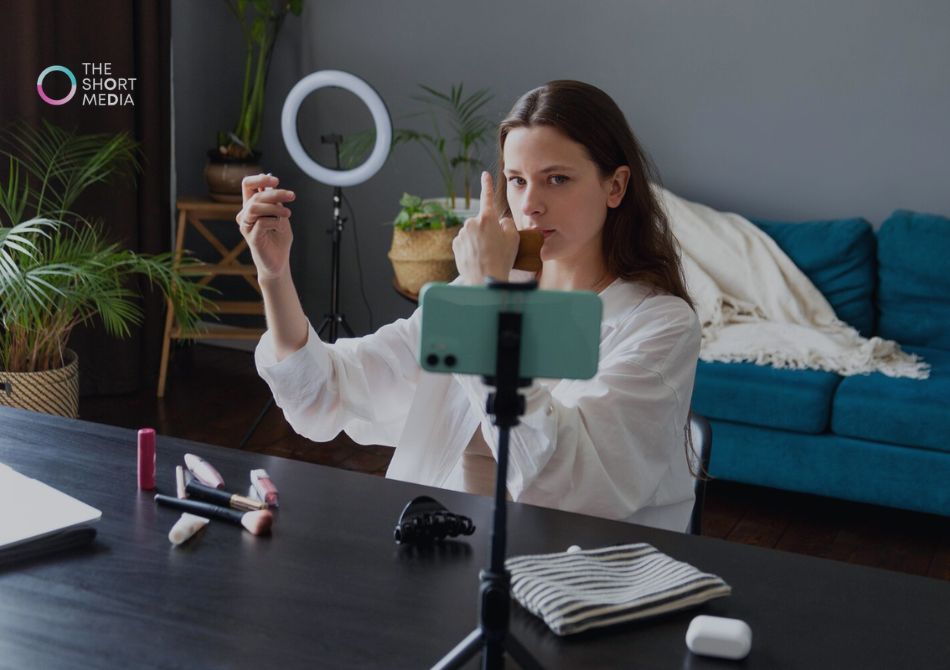
You can see it happen in real time. A skincare founder goes live on a Thursday evening, demos a cleanser in her bathroom mirror, answers three slightly skeptical questions about sensitive skin, pins the product, and watches orders come in while she’s still talking. A homeware brand shows how a storage trolley actually fits into a tiny London flat kitchen, not some giant showroom set, and suddenly the comments are full of “right, I need this.” That gap between interest and purchase gets much shorter on Live.
For UK brands, especially those selling visually, TikTok Live is becoming less of an experiment and more of a proper sales channel. Not for everyone, and not in the same way. But if you sell beauty, food, fitness products, home bits, fashion, even some local services, it’s worth paying attention.
TikTok Live works when it feels a bit unpolished
The brands that struggle most are usually the ones trying too hard to make Live feel like a polished ad. Too scripted. Too branded. Too tidy.
I’ve seen this with product launches where the host reads every benefit like they’re doing a compliance-approved TV spot. Viewers can feel it straight away. They drop off, or they stay and don’t buy. On the other hand, a slightly messy demo filmed in a kitchen, with someone actually using the product and reacting naturally, often does better than the expensive version. Annoying, maybe, if you’ve spent money on production. Still true.
TikTok Live works because people can ask the awkward questions your product page didn’t answer. Does the shade pull orange? Is the pan actually non-stick after a month? Will the leggings show sweat? Can this blender handle frozen fruit or is it all a bit optimistic? Those moments matter because they deal with friction at the exact point someone is considering buying.
That’s also why brands using tiktok ads services are starting to treat Live as part of the wider paid social mix, not a separate thing happening off to the side.
Why UK brands are seeing stronger conversion from Live
There’s something very direct about Live shopping when it’s done well. Not glamorous. Direct.
UK shoppers are pretty good at sniffing out overhyped marketing. If a creator sounds like they memorised the script too perfectly, the chat turns cold. If the host actually knows the product, answers quickly, and doesn’t dodge obvious objections, people stick around longer. And longer watch time usually gives you more chances to sell.
Beauty brands have been quickest here. Makes sense. Shade matching, texture demos, before-and-afters, routine building — all of that suits Live. I’ve also seen food brands do well when they stop trying to “sell snacks” and instead show context. A founder packing lunchboxes, making a quick protein breakfast, opening the cupboard and comparing flavours. It feels more believable.
Home products are another strong category. A product demo filmed in an actual home tends to outperform studio content because viewers can picture where the item would go. A vacuum used on real pet hair in a narrow hallway says more than a glossy campaign image ever will.
And if you already run ads on tiktok, Live gives you another layer. Instead of pushing cold traffic straight to a product page, you can warm people up through content, retarget viewers, and move them into a Live event where buying feels more immediate.
The brands getting the most out of TikTok Live aren’t winging it
This is where people get confused. Live should feel natural, yes. It should not be random.
The better-performing brands usually plan around three things: timing, offer, and host.
Timing matters more than some teams expect. Going live at 2pm on a Tuesday because that’s when the intern is free isn’t really a strategy. UK brands often see better traction in the evenings, especially for consumer products, but it depends on category. Fitness can work early. Food can work around meal times. Parenting products often do better later, once kids are in bed.
The offer has to be clear without sounding desperate. A limited bundle, a Live-only discount, free shipping for the session, early access to a new launch — that tends to work. Just saying “shop now” for 45 minutes gets old fast.
Then there’s the host. This is the bit brands underestimate. The best host isn’t always the biggest creator or the most polished presenter. Sometimes it’s the founder. Sometimes it’s a staff member who knows the product inside out and can talk like a normal person. Sometimes it’s a creator who can improvise and not panic when the comments go slightly off-script.
I’ve watched a retail launch fall flat because the presenter kept talking over the comments and never answered the practical stuff. Same week, a smaller beauty brand sold through stock because the host paused every few minutes to address objections one by one. Shipping times. Skin type. Refund concerns. Pretty basic. Very effective.
Where tiktok ads services fit into the picture
A lot of brands assume Live either works organically or it doesn’t. That’s too simplistic.
Good tiktok ads services can help turn Live into a more reliable sales engine by connecting your paid and organic efforts. That might mean promoting the event in advance, retargeting people who watched previous videos, building custom audiences from site visitors, or amplifying creator content that already proved it can hold attention.
If you run ads on tiktok, you’ve probably already seen that not every good video converts and not every converting video looks impressive on first glance. The same applies here. Some of the strongest Live promo assets are scrappy clips with a clear hook: “We’re testing all 6 shades live tonight,” or “Join us at 7pm, we’ll show exactly how this fits in a small bathroom.” Specific beats polished.
There’s also a practical benefit. tiktok ads services can help brands avoid wasting spend on broad campaigns that drive cheap views but weak buying intent. Live works best when the audience already has some context. They’ve seen the product before. They’ve engaged with a creator. They visited the site and didn’t convert. That’s when Live can do the heavy lifting.
A lot of UK brands that run ads on tiktok are now using Live almost like a closing tool.
If you want to run ads on TikTok, Live gives you better creative clues
One underrated part of Live is the comment section. It’s messy, repetitive, sometimes chaotic, but incredibly useful.
If twenty people ask whether a supplement tastes chalky, that’s a creative brief. If viewers keep asking whether a storage rack needs tools to assemble, that’s your next product demo. If people love the item but hesitate on price, maybe your bundle strategy needs work.
This is one reason brands that run ads on tiktok and also use Live often improve faster. They’re not guessing what matters to customers. They’re hearing it in real time.
And honestly, comments often reveal things the sales page missed. I’ve seen people ask about delivery to Northern Ireland, whether a cleanser stings around the eyes, whether a dog bed cover is machine washable, whether the “viral” pan works on induction hobs in UK kitchens. Small details. But those details are often where the sale is won or lost.
What usually goes wrong
A few patterns come up again and again.
The first is joining trends too late. A brand sees a format working, spends two weeks getting approvals, then goes live with a version that already feels stale. TikTok is not very forgiving there.
The second is treating Live like a one-off event. Most brands need repetition before they see consistent results. One decent session won’t tell you much. You need enough volume to spot what kind of host, angle, and offer actually moves product.
Third: weak product selection. Not every item belongs on Live. Products that need demonstration, comparison, explanation, or reassurance tend to do best. A plain commodity item with no story and no visible difference is harder work.
That’s where tiktok ads services can be useful again. They help you test which products deserve promotion and which should stay in the background.
How to run ads on TikTok without separating paid from Live
If you run ads on tiktok as one team and handle Live somewhere else, you’ll probably miss opportunities.
Your paid team should know what questions came up during the stream. Your content team should know which promo clips drove the best attendance. Your ecommerce team should know which bundles sold fastest and which products got attention but no conversion. This sounds obvious, but plenty of brands still operate in silos and then wonder why the channel feels inconsistent.
The stronger setup is simple: use paid to drive the right viewers in, use Live to answer objections and create urgency, then retarget people who watched but didn’t buy.
That’s usually where run ads on tiktok starts making more financial sense. You’re not asking one ad to do everything.
FAQs
Q1: Do UK brands need a huge following for TikTok Live to drive sales?
Not really. A smaller brand with the right product and a decent host can sell well without massive reach. I’ve seen niche beauty and home brands do more with a few hundred engaged viewers than bigger accounts with a passive audience.
Q2: What kinds of products sell best on Live?
Products that benefit from demonstration usually have an easier time. Skincare, makeup, kitchen tools, fitness accessories, cleaning products, home organisers, even some pet products. If people need to see it working or want reassurance before buying, Live helps.
Q3: Is it better to use creators or an in-house team member as the host?
Depends on the brand and the product. Creators can bring energy and audience trust, but they’re not always great at handling detailed product questions. An in-house host often works better for technical products or founder-led brands. Sometimes the best setup is both.
Q4: How often should a brand go live?
Once won’t tell you much. Weekly is a good starting point if you can keep the quality up. Twice a week can work for fast-moving categories like beauty or fashion, but only if you’ve got enough fresh angles and stock to support it.
Q5: Can paid media help promote TikTok Live?
Absolutely. This is where tiktok ads services often make a real difference. You can build anticipation before the event, retarget warm audiences, and pull in people who already showed interest but needed one more push.