
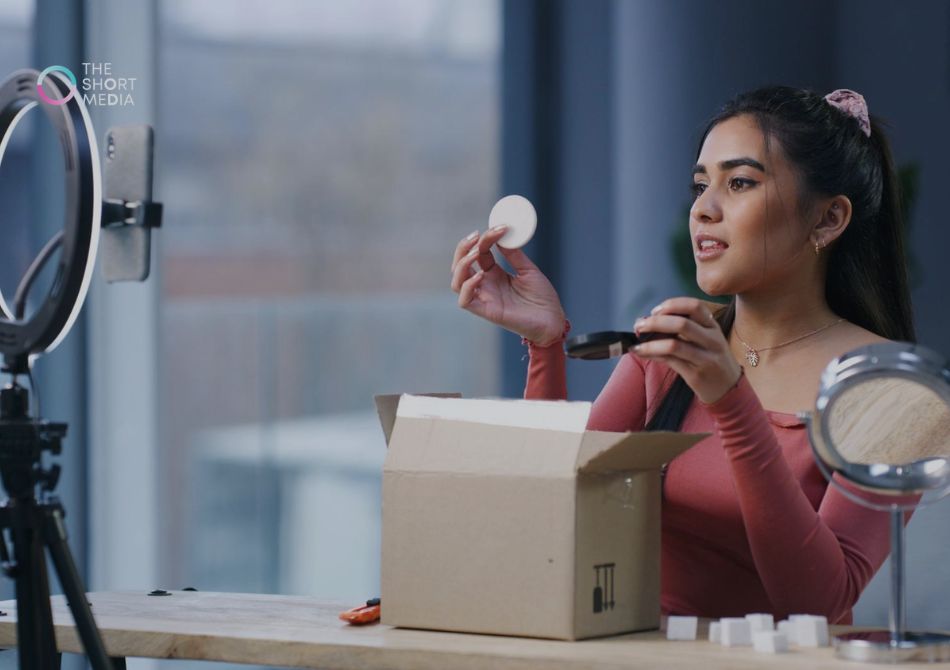
A few months ago, I watched a skincare brand spend weeks polishing launch creative for a new moisturiser. Glossy studio shots, perfect lighting, carefully approved copy. Then a creator posted a slightly chaotic bathroom demo with damp hair, bad acoustics, and a very honest “I didn’t think this would do much, but…” That was the video people actually watched. It also pulled better click-through and cheaper conversions once the paid team turned it into one of the main TikTok Ad campaigns assets.
That’s the thing with product launches on TikTok. The old playbook doesn’t always survive contact with the feed.
For years, launch campaigns were built around control: teaser emails, polished hero videos, retailer placement, paid social with tight brand guidelines. TikTok has pushed a lot of teams into a less tidy approach. Not sloppy, exactly. Just more responsive, more creator-shaped, and much more exposed to what real people think the moment a product goes live.
If you’re trying to launch a beauty item, a kitchen gadget, a protein bar, or even a local service in the US, TikTok has become hard to ignore. Not because every brand needs to dance around trends. Mostly because the platform compresses feedback, content testing, and paid distribution into one fast-moving loop.
Why product launches feel different on TikTok
A launch used to have a fairly obvious sequence. Build anticipation. Release the polished assets. Push traffic. Hope the landing page and offer did their job.
TikTok messes with that rhythm.
People don’t arrive in “launch mode.” They’re scrolling through GRWM videos, recipe clips, gym content, cleaning hacks, and then your product appears in the middle of all that. So the launch creative has to behave more like content than an announcement. If it looks too much like a boardroom-approved campaign, performance often drops. Not always, but often enough that smart teams plan for it.
I’ve seen this with DTC beauty brands, Amazon products, and home organisers especially. A product demo filmed on a kitchen counter can beat the expensive version because it answers the exact thing a shopper is wondering: how big is it, how messy is setup, does it actually work, what does it look like in a normal house?
That’s also why comments matter so much during launch week. They’ll tell you where the friction is. Sometimes faster than your analytics dashboard. If people keep asking whether a supplement tastes chalky, or whether a pan works on induction hobs, that’s not just engagement. That’s messaging you missed.
The real shift: launch campaigns are becoming live tests
The strongest teams don’t treat launch creative as finished. They treat it as version one.
That sounds obvious, but a lot of brands still show up on TikTok with three approved videos and a prayer. Then they wonder why the campaign stalls after day four.
Good TikTok Ad campaigns usually have more moving parts than that. You need creator variations, different hooks, multiple cuts, and enough flexibility to swap in new angles quickly. If one video gets strong watch time but weak conversion, maybe the problem is the offer. If another drives comments full of objections, maybe the landing page needs to work harder. If a UGC-style clip filmed in a car gets saves and shares, don’t overthink it. Put spend behind it.
That’s the practical side of trying to run ads on tiktok during a launch. The platform rewards teams that can react without needing a two-week approval cycle.
Running TikTok Ad campaigns without making them feel like ads
This is where a lot of launches go a bit wrong.
Brands often assume “native” means casual for the sake of it. But people can tell when a video is pretending to be organic while still sounding like legal approved every syllable. You’ve probably seen it: the creator reading a script just a little too perfectly, pausing in odd places, smiling like they’re in a hostage video. Those rarely carry a launch very far.
The better TikTok Ads usually start with a real use case. A fitness brand launching resistance bands might show a trainer using them in a cramped apartment, not a spotless studio. A food brand introducing a new high-protein snack might lead with someone opening the pack in their car after the gym and reacting to the texture honestly. A home product launch might work best when the creator films before-and-after cupboard chaos rather than a pristine reveal.
That doesn’t mean quality doesn’t matter. It does. But on TikTok, relevance tends to beat polish.
If you want to run ads on tiktok well, especially for launches, think less about “brand ad” and more about “proof with momentum.” Can the video show the product in action quickly? Does it answer an objection without sounding defensive? Is the first line something a human would actually say?
Launch timing matters more than marketers like to admit
TikTok can be brutal with timing. Join a trend two weeks late and it feels embarrassing. Build a launch around a sound that peaks before your paid media goes live and the whole thing can feel stale on arrival.
That’s why I’m slightly sceptical when teams make trend participation the centrepiece of launch planning. It can work, sure. But it’s not stable enough to carry a product introduction on its own.
For most brands, it’s better to build around evergreen content formats that can still move fast: demos, comparisons, reactions, founder clips, problem-solution setups, comment responses. Then, if a relevant trend appears at the right moment, great. Use it.
This is especially true when you run ads on tiktok for retail launches. If a product is hitting Target shelves, Ulta, or Walmart, your content needs to stay useful after the first burst of hype. “Found this at Target” videos can do well, but only if they still explain why someone should care.
TikTok Ads work best when organic and paid aren’t separated
Some internal teams still split TikTok into two buckets: the social team posts organic, the paid team handles media, and the two barely speak. That setup usually creates awkward launches.
The paid team needs to know what comments are surfacing on organic posts. The social team needs to know which hooks are converting once spend is added. When that loop works, launches get sharper very quickly.
A beauty brand, for example, might notice organic comments asking whether a new foundation oxidises. That concern should show up in paid creative almost immediately. A food brand might see viewers asking for ingredient details or shipping info. A local service business might discover that people are less interested in the service itself than in the before-and-after transformation. Those are useful signals. Ignore them and your TikTok Ads stay generic.
The brands getting the most from TikTok Ad campaigns usually treat paid and organic like one messy but productive system.
What brands should actually prepare before they run ads on tiktok
Not just assets. Inputs.
Before launch, I’d want:
- a stack of creator briefs with room for natural language
- several hook options that don’t all sound like ad copy
- product demos in normal environments
- a comment monitoring plan for the first week
- landing pages that match the tone and claims in the videos
That last one gets missed all the time. I’ve seen solid TikTok Ads send traffic to stiff, over-designed pages that feel like they belong to a different brand. Conversion drops, and everyone blames the media buyer. Fairly common, honestly.
If you’re planning to run ads on tiktok, make sure the post-click experience doesn’t kill the momentum the video created.
The brands winning launches here aren’t the neatest ones
They’re usually the ones willing to learn in public a bit.
Not recklessly. But enough to adapt. Enough to let a creator say something in their own voice. Enough to notice when comments are more insightful than the original positioning doc. Enough to admit that the kitchen demo outperformed the hero film for a reason.
That’s what TikTok has changed in product launches. It hasn’t made strategy irrelevant. It’s made rigidity expensive.
And for a lot of brands, that’s uncomfortable. Still true.
FAQs
1. Do product launches on TikTok need creators, or can brands do it all in-house?
You can do it in-house, but creator content usually gives you more variation faster. It also helps avoid that slightly stiff “someone from the office was told to make a TikTok” feeling. For launches, I like a mix: brand-owned demos, founder or team clips, and creators who can make the product feel normal in everyday use.
2. How much creative should a brand have before launching?
More than three videos. Less than a giant overproduced library nobody can edit quickly.
A practical starting point is 8–15 pieces with different hooks, formats, and faces. Then expect to make more once the comments and early performance data come in.
3. Is it expensive to run ads on tiktok for a launch?
It can be, especially if you burn budget on weak creative too early. The media cost is only part of it anyway. You also need content production, editing, creator fees if you’re using them, and someone paying close attention once the campaign is live.
4. What kind of products tend to do well with TikTok Ads?
Products with a visible use case tend to get traction faster. Beauty, snacks, cleaning tools, fitness gear, home gadgets, Amazon finds, that sort of thing.
But I’ve also seen local services perform well when the transformation is obvious. Think med spas, house cleaning, detailing, even orthodontics. You need a strong visual payoff or a sharp problem people recognise quickly.
5. Should brands use trends for launch campaigns?
Sometimes. I wouldn’t build the whole launch around them.
Trends are useful when they genuinely fit the product and timing lines up. If you’re forcing it, people can feel that almost immediately, and the creative ages badly.