
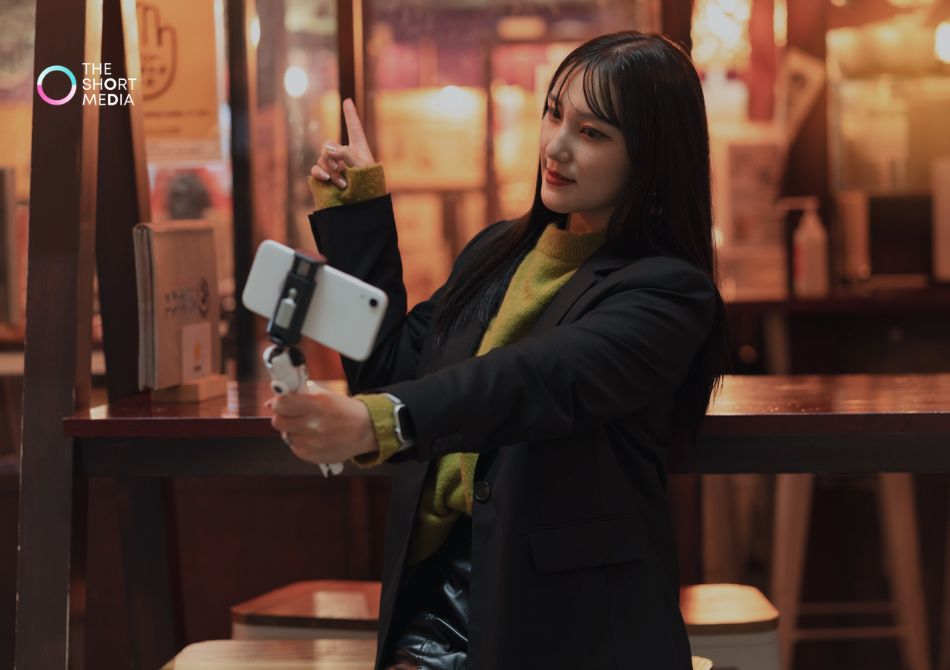
A few years ago, a lot of luxury teams treated TikTok like the noisy corner of the internet. Fine for mass brands, maybe useful for beauty launches, but not exactly the place for heritage houses obsessed with control, polish, and scarcity.
Then the numbers started showing up in less comfortable places. Search spikes after creator mentions. Waitlists filling after an unplanned handbag clip. Comments packed with people asking about shades, sizing, stockists, stitching, even resale value. Not from a glossy campaign film either. Often from a creator filming in bad natural light, half-whispering into their phone.
That tension is really what makes tiktok brand marketing so interesting for luxury. The platform rewards immediacy, personality, and a certain roughness around the edges. Luxury, traditionally, has leaned on distance. Carefully art-directed distance. Those two instincts don’t naturally get along. But when brands figure out how to work with the platform instead of forcing old rules onto it, the results can be surprisingly strong.
Why luxury had to loosen its grip
Luxury marketing used to depend heavily on controlled image systems: campaign shoots, print, flagship experiences, celebrity placements, and a lot of selective distribution. TikTok doesn’t erase that. It just exposes how limited that approach can feel when younger audiences want to see how a product actually lives in the world.
A £2,000 bag on a white backdrop says one thing. The same bag shown by a creator who uses it daily, points out what fits inside, complains a little about the clasp, and still loves it? That lands differently.
I’ve seen this especially with beauty and accessories. A prestige lipstick campaign might look flawless, but a creator trying it on in their car and noticing it pulls warmer than expected can drive far more meaningful engagement. The comments usually tell you what the product page forgot to answer.
Luxury brands have had to accept that not every useful video will look premium in the traditional sense. Sometimes a product demo filmed in a kitchen beats studio content. Annoying, maybe, if you’ve spent six figures on production. Still true.
TikTok brand marketing works differently when the product carries status
With luxury, the purchase isn’t just about utility. It’s about taste, identity, access, and sometimes plain old aspiration. That changes how tiktok brand marketing should be handled.
You can’t just copy the playbook from a protein powder brand or a phone case company. Urgency hooks and trend-chasing can cheapen the perception fast. I’ve watched brands jump onto a trending audio two weeks too late and make themselves look oddly desperate. It’s not that luxury has to be stiff. It just has to be selective.
The brands doing this well tend to build around a few content types:
Craft, but shown like a person made it
Behind-the-scenes content works for luxury when it feels specific. Not vague “our artisans at work” footage. Actual details. Hand-finishing on a shoe edge. Fabric testing. A watch assembly close-up where someone explains why one tiny step takes longer than people think.
That kind of content gives people a reason for the price beyond branding language.
Styling and use, not just display
Luxury fashion and accessories do better when people can imagine the item in rotation. Not on a pedestal. A US-based creator styling one designer loafer three ways for office, dinner, and travel often does more than a cinematic campaign excerpt.
Same with home products. A high-end candle or tabletop brand can feel abstract until someone shows it in an actual apartment, next to everything else they own.
Personality from the right people
This is where tiktok influencer marketing becomes especially valuable. Luxury doesn’t need the loudest creator in the category. It needs the right one. Sometimes that’s a mid-sized fashion creator with excellent taste and unusually trusted comments. Sometimes it’s a niche fragrance reviewer who can describe dry-down better than the brand can.
A creator reading a script too perfectly usually kills the effect. You can see the audience clock it instantly. Especially on expensive products.
The awkward but necessary role of creators
A lot of luxury teams still want creator content without creator behaviour. They want the reach and relatability, but also total control over language, framing, pacing, claims, even facial expressions if they could manage it.
That’s usually where the content starts to fail.
Good tiktok influencer marketing for luxury needs structure, but not over-direction. Give creators the brand guardrails. Give them the product story. Tell them what absolutely can’t be said. Fine. But if every line sounds approved by legal, the video ends up flat and weirdly lifeless.
I’ve seen this with premium skincare launches in the US. The brand wants education around ingredients and texture, which makes sense. But the creator’s first take, where they casually compare it to two other products they actually use, often performs better than the cleaned-up script version. Not because it’s more “authentic” in some abstract way. Because it sounds like a person talking.
That’s why many brands end up working with a marketing agency for tiktok that understands both sides: brand protection and platform behaviour. Luxury teams often need help finding creators who won’t cheapen the product while still making content that doesn’t feel embalmed.
What a marketing agency for TikTok actually helps with
Not every internal social team has the bandwidth—or frankly the patience—to manage TikTok properly. Especially in luxury, where approvals can stretch and content can die while everyone debates whether a caption feels elevated enough.
A strong marketing agency for tiktok usually earns its keep in a few practical ways.
Creator selection that goes beyond follower count
This matters more than people admit. For luxury, the wrong creator fit is expensive in more ways than one. You don’t just waste budget; you also create the wrong associations.
A decent marketing agency for tiktok will look at comment quality, audience overlap, visual tone, brand adjacency, and whether the creator can discuss premium products without sounding either snobbish or fake. That’s a narrower skill than it looks.
Content systems, not random posting
Luxury brands sometimes post in bursts around launches and then disappear. That rarely helps. TikTok needs rhythm. Not necessarily daily posting, but a consistent enough flow that the algorithm and the audience know what to do with you.
A marketing agency for tiktok can build a content mix across founder voice, atelier footage, creator whitelisting, retail moments, event snippets, and paid testing. That’s more useful than just pumping out trend videos no one asked for.
Paid amplification without ruining the feel
Some luxury teams still separate organic TikTok and paid social too aggressively. In practice, the strongest results often come when high-performing creator videos are turned into ads carefully, with minimal over-editing.
That’s another place where a marketing agency for tiktok can help. They know when to leave the scrappy opening line alone because that’s the bit making people stop scrolling.
TikTok isn’t just for fashion houses
Luxury on TikTok is broader than handbags and runway clips. Beauty has probably adapted fastest, especially premium skincare and fragrance. High-end fitness brands are learning too—think reformer equipment, recovery tools, boutique wellness products. Home and interiors have room here as well. A luxury bedding brand or designer kitchenware line can perform if the content shows texture, use, and context.
Even local services can borrow from this. A top-tier aesthetic clinic in London or a private jeweller in Manchester might not think of themselves as TikTok brands, but the same principles apply: trust signals, taste, proof, and a human face.
That’s where tiktok brand marketing gets more interesting than people expect. It’s not always about going viral. Often it’s about compressing the distance between curiosity and confidence.
The luxury brands getting it right aren’t trying to look native at all costs
There’s a slightly tired idea that every brand should act like a creator now. I don’t buy that. Luxury still needs distinction. The goal isn’t to sound exactly like everyone else on TikTok. It’s to understand what the audience wants from the platform and meet them there without flattening the brand.
The better examples usually keep some tension intact. They don’t abandon visual standards. They just stop over-sanitising everything. Their tiktok influencer marketing feels chosen, not sprayed across the platform. Their in-house content has a point of view. Their paid creative doesn’t look like a banner ad disguised as a video.
And, crucially, they listen. Comments are often where the real strategy brief is hiding.
Where this is heading
Luxury’s relationship with TikTok is still a bit uneasy, and honestly that’s probably healthy. Total comfort tends to produce bland work.
But tiktok brand marketing has already pushed luxury brands to be less rigid, more observant, and a little more honest about what actually influences purchase decisions. Not every buyer will discover a luxury brand on TikTok. Plenty won’t. Still, the platform increasingly shapes perception before the store visit, before the search, before the shortlist.
For brands that want help navigating that without turning themselves into trend-chasing caricatures, a good marketing agency for tiktok or a disciplined tiktok influencer marketing programme can make the difference between content that feels relevant and content that feels like a board-approved imitation of relevance.
That gap is wider than it looks.
FAQs
1. Does TikTok really make sense for luxury brands?
It does, if the brand stops expecting TV-ad behaviour from the platform. Luxury can work very well there, but usually through craft detail, creator trust, styling context, and smart paid support rather than glossy campaign cutdowns.
2. Is tiktok influencer marketing too risky for premium positioning?
It can be, with the wrong brief or the wrong creator. A creator who overacts, mispronounces the brand, or treats an expensive item like any other affiliate product can do damage fast. But careful creator selection usually solves more than people think.
3. Should luxury brands post trends and memes?
Some can. Most shouldn’t do it just because the sound is popular. If the trend forces the brand to act out of character, people notice—and not in a flattering way.
4. What does a marketing agency for tiktok do that an in-house team can’t?
Mostly speed, pattern recognition, and creator management. A good agency has already seen which hooks hold attention, which creators convert in premium categories, and which edits kill performance. Also, they can absorb a lot of the back-and-forth that internal teams don’t have time for.
5. How much control should a luxury brand keep over creator content?
More than a mass-market snack brand, less than many legal teams would prefer. Guardrails matter. Full script control usually backfires.