
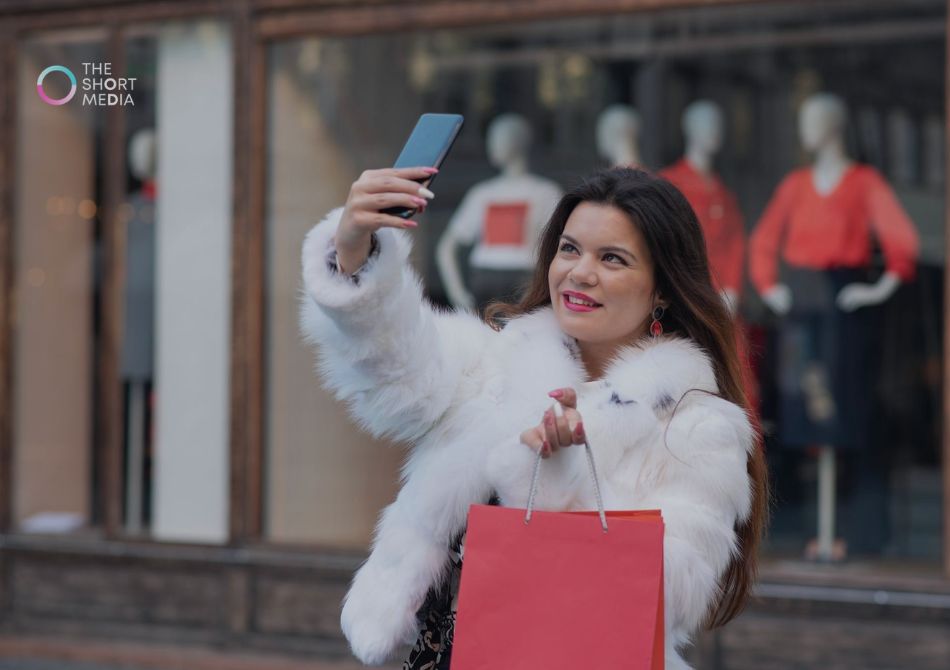
I was in a Boots in Manchester not long ago, half-listening to two teenagers argue over whether a certain lip oil was “the one from TikTok” or just a copy. Neither of them mentioned the brand’s website. They weren’t talking about ingredients either. They were trying to match what they’d seen on their phones to what was actually sitting on the shelf in front of them.
That’s the bit some marketers still miss.
A lot of the conversation around TikTok gets stuck on views, creators, and ROAS dashboards. Useful, sure. But if you’re selling in UK supermarkets, high street chains, salons, gyms, or even a local showroom, the real effect often shows up offline. In-store footfall. A product selling out in one region before head office has noticed. Staff getting asked for “that viral cleaning paste” by people who don’t know the name.
TikTok doesn’t just push ecommerce clicks. It shapes what people look for when they leave the house.
The shelf is now part of the TikTok journey
People don’t move through a tidy funnel anymore, if they ever did. They see a creator use a heatless curler at 11pm, forget the brand name by morning, then spot something similar in Superdrug three days later and buy it because it feels familiar enough.
That matters for retail teams and paid social teams alike.
When brands talk about tiktok for marketing, they usually mean content calendars, creator briefs, and ad formats. Fair. But in practice, tiktok for marketing also means understanding how digital attention spills into physical shopping behaviour. Someone may never click your ad and still walk into Tesco already primed to notice your packaging.
I’ve seen this with beauty brands, especially. A product doesn’t need perfect brand recall to drive sales. It needs a memorable use case, a recognisable pack, and enough social proof that seeing it in person feels like a nudge rather than a cold introduction.
That’s why tiktok business advertising can’t be judged only on direct online conversions. If your product lives in stores, the platform is often doing demand generation that your last-click report won’t catch.
TikTok makes products feel familiar before people see them in person
Offline buying is heavily influenced by recognition. Not just awareness in the abstract, but that quick little moment of, “Oh, I’ve seen this before.”
TikTok is unusually good at creating that. Repetition comes from different angles: creators, paid placements, stitched reactions, comments, duets, retail hauls. A kitchen gadget might show up in a recipe video, then in a “things I actually use” roundup, then in a clip from someone’s tiny London flat where the lighting is awful but the demo is convincing. By the time that shopper sees it in John Lewis or on an endcap in Aldi, it doesn’t feel random.
And that changes behaviour.
For brands running tiktok business ads, this is where the creative brief often goes wrong. Teams obsess over saying everything in 20 seconds. They cram in features, claims, CTA, discount, lifestyle footage. It ends up looking like an ad someone approved in a boardroom. Meanwhile, a creator filming a product demo on a cluttered kitchen counter gets better response because people can actually imagine using it.
That same familiarity carries into stores.
Why UK retail is especially vulnerable to TikTok-driven demand
The UK is a good market for this because shopping is still pretty blended. People browse online, then pop into Boots on lunch, Tesco after work, Primark at the weekend, B&Q when they finally decide to repaint the bathroom. Discovery and purchase are often split across channels without much ceremony.
So if you’re using tiktok for marketing in the UK, you have to think beyond the app and beyond ecommerce.
A few examples make this clearer:
Beauty and personal care
This is the obvious one, but it’s obvious for a reason. A mascara trend, a skincare “before and after,” or a creator comparing two foundations can move in-store demand fast. Not always nationally. Sometimes it’s weirdly local or age-skewed. One retail launch can look flat in aggregate while a handful of stores near universities keep selling through.
I’ve also seen comments do half the selling. People ask things like whether it flakes, whether it works on oily skin, whether it’s worth the price at Boots. Those objections often reveal more than the product page ever did.
Food and drink
TikTok has a habit of making ordinary grocery items feel newly urgent. A protein yoghurt gets folded into a meal-prep trend. A hot sauce appears in a creator’s “current food obsession” video. A matcha powder gets used three different ways and suddenly shoppers are looking for it at Sainsbury’s.
For food brands, tiktok business advertising often works best when it doesn’t look overproduced. A slightly rushed recipe filmed in an actual home kitchen can outperform polished brand content. I wish that surprised more clients than it does.
Fitness and wellness
Supplements, resistance bands, shaker bottles, recovery tools — these often get discovered on TikTok and then bought wherever is convenient. Sometimes online, sometimes in-store at Holland & Barrett or a local sports retailer. If the creator reads the script too perfectly, performance usually drops. People can smell “briefed” from miles away.
Home and cleaning products
This category gets underestimated. A cleaning paste, storage organiser, or pet-hair remover can spread quickly because the demo is so visual. And once people’ve seen it work on screen, they’ll absolutely keep an eye out in-store. Especially if the packaging is easy to recognise.
What tiktok business advertising gets wrong about offline sales
There’s still a tendency to treat TikTok like a pure performance channel. That’s often too narrow.
If you’re running tiktok business advertising for a product sold through UK retail, a few things matter more than marketers like to admit:
Creative has to survive outside the app
If your ad only works when someone clicks immediately, you’re missing part of the value. Good TikTok creative leaves behind a memory: the colour of the bottle, the weirdly satisfying demo, the exact problem it solved.
That’s what helps in-store conversion later.
Packaging suddenly matters more
I’ve watched brands spend heavily on tiktok business ads and then wonder why retail lift was softer than expected. Sometimes the answer is simple: the product shown in content is hard to identify on shelf. Tiny logo. Similar-looking competitors. No visual cue from the video carried over into packaging.
Trend timing is brutal
A brand joining a trend two weeks late usually looks like it’s trying too hard. UK audiences aren’t uniquely harsh about this, but they do notice. And retail teams can’t always react at platform speed, which creates tension. By the time POS is updated, the conversation may have moved on.
Measuring what’s actually happening offline
This is where things get messy. Useful messy, but still messy.
If you’re serious about tiktok for marketing, you need a measurement setup that accepts partial signals. Not every sale will map neatly back to a click. That doesn’t mean the effect isn’t real.
Look at:
- regional sales lift during campaign periods
- store-level sell-through if you can get it
- branded search trends
- comments asking where to buy locally
- retailer-specific traffic spikes
- promo code usage tied to store partners, where relevant
For local services, it’s a bit different. A medspa, gym, dental practice, or furniture showroom may see TikTok influence through walk-ins, calls, and “I saw this on TikTok” mentions at the front desk. Not glamorous measurement, but it counts.
And honestly, if staff keep hearing the same phrase from customers, pay attention. That’s data too.
The role of tiktok business ads in getting people into shops
Organic content does a lot of the cultural heavy lifting, but tiktok business ads help scale recognition and repeat exposure. Especially when a brand already knows what kind of creative gets watched without people instantly swiping away.
That doesn’t mean blasting the same asset at everyone.
The stronger setups usually mix creator-style videos, product demos, retail availability messaging, and some localisation where it makes sense. If your item is stocked in Boots, say that. If it’s available at Asda this week, make it easy. Friction matters more than marketers like to pretend.
I’d also argue that tiktok for marketing works better when brands stop acting embarrassed about being commercial. Not every video needs to cosplay as a meme. Sometimes a straightforward demo with a clear retail hook does the job just fine.
TikTok isn’t replacing the store trip. It’s shaping it first.
People still like to browse. They still grab things on impulse. They still trust what they can hold in their hand a bit more than what sits in a basket online for three days.
What TikTok does is preload the decision.
By the time someone walks into a shop, they may already have a shortlist in their head. A shampoo they’ve seen in three wash-day routines. A snack they keep hearing about. A storage solution they didn’t know they needed until a creator in Birmingham showed how it fixed a very ordinary household annoyance.
That’s why tiktok business advertising deserves a wider lens, especially for UK brands with retail distribution. It’s not only about who taps “buy now.” It’s also about who notices, remembers, and picks something up later because it already feels tried, talked about, and oddly familiar.
That’s not soft influence. It’s sales influence. Just not always in the place your dashboard prefers.
FAQs
1. Does TikTok really drive in-store sales in the UK?
It can, and pretty often does, especially for beauty, food, home, and wellness products. Usually you’ll notice it through retail sell-through, store staff feedback, or sudden spikes in branded search rather than a clean attribution report.
2. Is this only relevant for big consumer brands?
Not really. Smaller DTC brands stocked in a few retail locations can feel the effect too. So can local businesses using tiktok for marketing to get people through the door, like clinics, salons, gyms, and even cafés.
3. How do I know if my TikTok activity is affecting offline purchases?
Start with timing and geography. If certain stores or regions lift during campaign periods, and you’re also seeing more search interest or comments asking where to buy, that’s usually a strong clue.
4. Are tiktok business ads enough on their own?
Usually not. Paid helps with scale, but if the creative feels stiff or too branded, people tune out fast. The better results tend to come when paid is built from content styles that already feel native to the platform.
5. What kinds of products benefit most from tiktok business ads offline?
Products with a visible demo tend to travel well from screen to shelf. Think skincare, snacks, cleaning products, fitness accessories, kitchen tools, and problem-solution home items. If someone can understand it in five seconds and recognise it later, you’re in decent shape.