
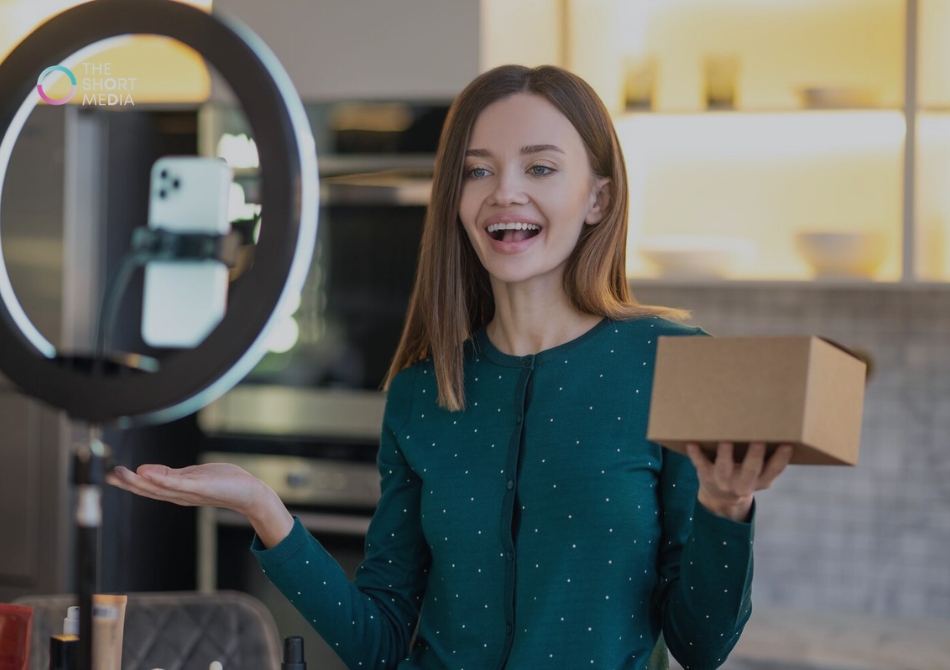
A few months ago, I watched a UK skincare brand post a polished TikTok that looked like it had been approved by six people and a legal team. Nice lighting. Clean captions. Not a single rough edge. It flopped.
Three days later, a creator they’d sent product to filmed a quick “I didn’t expect this to work on my rosacea, but here we are” clip in her bathroom mirror. Slightly awkward intro. Toothbrush visible in the background. Comments went off. Not just views either — proper buying questions, repeat commenters, people tagging friends, someone saying they were “back for their third bottle.”
That gap matters. And it’s usually where a good tiktok media agency earns its keep.
Brand loyalty on TikTok isn’t built from looking perfect. It comes from familiarity, response, repetition, and knowing how to show up without sounding like a brand trying very hard to sound like a person. In the UK especially, audiences can be pretty quick to sniff out forced tone, recycled trends, or US-style overhype that doesn’t travel well.
Loyalty on TikTok looks different from loyalty elsewhere
On Meta, loyalty often shows up in retargeting performance or email signups. On TikTok, you see it in smaller signals first.
People come back to the comments asking whether the shade oxidises. They reply to other customers before the brand team gets there. They reference an older video. They stitch a product demo with their own result. A local café in Manchester posts one behind-the-counter clip and suddenly regulars are commenting on the staff by name. That’s loyalty starting to take shape, even before anyone pulls a report.
A strong marketing agency for tiktok usually understands this better than teams who only think in paid media dashboards. They’re not just looking for a spike. They’re watching for patterns: what kind of content gets saved, what objections keep showing up in comments, which creators bring in the most believable reactions instead of the cleanest edits.
And honestly, a lot of loyalty work happens in those messy middle bits. Not the hero campaign.
A marketing agency for tiktok knows how to make brands feel familiar
Familiarity is underrated. Most brands are so focused on “standing out” that they forget people need to recognise them first.
A decent TikTok marketing company will help a brand build recurring content formats people can actually remember. Not just random trend participation. Maybe it’s a UK meal-prep brand doing every-Sunday fridge restocks with the same creator. Maybe it’s a home organisation company showing one cupboard transformation a week, always shot in a real house, not a showroom. Maybe it’s a London dental clinic answering awkward cosmetic questions in a very dry, very British tone that fits the audience.
That consistency matters more than marketers sometimes want to admit.
I’ve seen brands jump into a trending sound two weeks too late because someone internally said, “We should do more TikTok.” It rarely helps. A marketing agency for tiktok will usually push back on that and ask a better question: what would your audience want to see from you every week, even without a trend attached?
That’s where loyalty starts. Repeated exposure, but with some personality.
Creator partnerships do more for retention than most brands expect
This is one of the big misses. Brands often treat creators as short-term acquisition channels. Useful for reach, maybe for a launch, then onto the next batch.
But a smart tiktok media agency treats creators more like recurring cast members. Not always ambassadors in the formal sense. Just familiar faces who fit the product, the audience, and the pace of the platform.
For example, a fitness supplement brand might work with the same three creators over a few months instead of cycling through thirty one-off posts. A creator shows the pre-workout in her 6am routine, then two weeks later mentions she’s reordered, then later compares flavours. That sequence lands differently from a one-and-done ad. It feels observed, not assigned.
And there’s a practical reason for this too: creators reading a script too perfectly usually underperform. You can almost see the approval chain in the final video. A TikTok marketing company that’s done this properly will protect the creator’s own phrasing, even when the legal team gets nervous.
That slight imperfection? Usually helpful.
Comment sections are where loyalty gets built or lost
A lot of brands still treat comments like admin. They shouldn’t.
Comments on TikTok are often a better loyalty signal than top-line engagement. They tell you what people still don’t trust, what they’re confused by, what they wish the product page explained better. I’ve seen comments do more useful research work than a formal survey.
A good marketing agency for tiktok will mine that constantly. If people keep asking whether a cleaning product is safe on quartz, that becomes next week’s content. If viewers of a haircare brand keep saying “show it on fine hair, not extensions,” that’s not negativity. That’s direction.
One kitchen-filmed demo for a US home product brand I worked around did far better than the studio version because the creator spilled a bit, wiped it up, and kept going. The comments were full of “finally someone using it like a normal person.” That’s not just performance. That’s trust being formed in public.
A TikTok marketing company that ignores comments and just posts to a calendar will miss half the job.
Paid media helps, but only when it amplifies the right stuff
This is where some brands get disappointed. They hire a tiktok media agency, spend on Spark Ads, and expect loyalty to appear because reach increased.
That’s not really how it works.
Paid can absolutely help reinforce loyalty. It can keep strong creator content in circulation longer. It can reintroduce products to people who engaged but didn’t buy. It can support retail launches — say, a beauty line going into Boots or a grocery product landing in Tesco — by making the content feel familiar before shoppers see it on shelf.
But if the underlying content feels too ad-like, paid just scales the problem.
A useful marketing agency for tiktok knows how to separate content that drives first-click curiosity from content that builds repeat recognition. Those aren’t always the same assets. Sometimes the best loyalty content is slower, less “performant” on the surface, but stronger in comments and saves.
That distinction matters in the UK market, where audiences often prefer a bit more understatement. Less shouting, more proof.
UK brands need TikTok strategy that actually fits the audience
A lot of TikTok advice still comes from the US, and some of it transfers badly.
The pacing can be off. The humour can be off. Even the creator selection can feel imported. A TikTok marketing company working with UK brands needs to understand regional tone, local references, retail context, and the fact that what works for a Texas protein brand won’t necessarily work for a home fragrance line selling through John Lewis.
For local services, this gets even more obvious. A Bristol aesthetic clinic, a Leeds bakery chain, a trades business in Essex — they don’t need generic “viral” strategy. They need content that makes them feel known in a specific place. Staff faces help. Local comments help. Small recurring jokes help more than polished hooks.
A tiktok media agency worth hiring will build around that instead of flattening everything into trend-chasing.
What brands should actually expect from the right partner
Not miracles. Not instant loyalty after six videos.
What you should expect is a team that can connect organic content, creator work, paid distribution, and comment insight into something that compounds over time. A marketing agency for tiktok should be able to explain why one format is working, what people are responding to emotionally, and where trust is still weak.
They should also save you from common mistakes:
- posting like every video needs to sell immediately
- over-scripting creators
- confusing “high production” with “high trust”
- joining trends after the moment’s passed
- ignoring the comments that are basically free customer research
The better TikTok marketing company teams I’ve seen are a bit stubborn, honestly. In a good way. They’ll tell a brand when the content feels too safe. They’ll ask for raw footage. They’ll push for creator whitelisting on the clips that already have believable engagement instead of forcing a fresh ad set around weak assets.
That’s usually where the gains come from.
FAQ's
What does a tiktok media agency actually do for brand loyalty?
It’s partly content strategy, partly creator management, partly paid media, and partly paying attention to what people are saying back. The loyalty piece comes from making the brand feel familiar and trustworthy over time, not just visible.
Is TikTok really useful for established UK brands, or just newer DTC companies?
Established brands can do very well, but they usually need to loosen up a bit. Retail brands, food products, beauty, homeware, even local service businesses can build a stronger repeat audience if the content feels native to the platform instead of recycled from another channel.
How long does it take to see loyalty improve?
Usually longer than people want. You might see stronger comments and repeat engagement within a few weeks, but real loyalty signals — repeat customers, branded search lift, better return from creator partnerships — tend to build over a few months.
Should we hire a marketing agency for tiktok if we already have an in-house social team?
Sometimes yes, especially if your internal team is stretched or stronger on brand than platform behaviour. A marketing agency for tiktok can also give you outside perspective, which helps when everyone internally has become a bit too attached to the polished version of the brand.
What’s the difference between a TikTok marketing company and a creator agency?
A creator agency usually focuses on talent sourcing and campaign execution. A TikTok marketing company should be thinking more broadly about content systems, paid amplification, reporting, testing, and how creator content fits into the wider customer journey.