
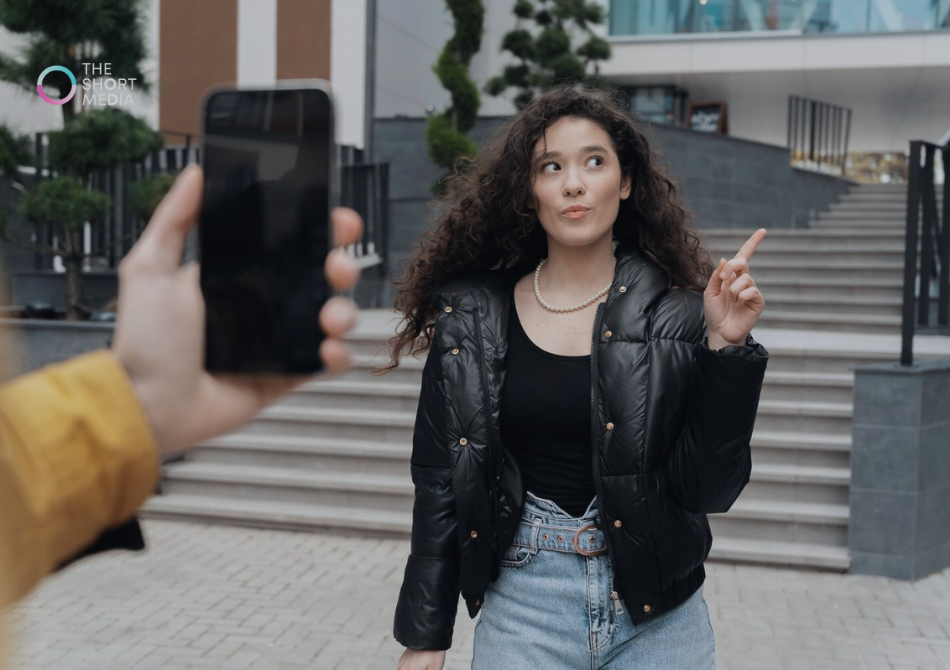
A few months back, I was reviewing a TikTok campaign for a consumer brand that had decent media spend, solid targeting, and… painfully flat results. The videos looked expensive. Nice lighting, clean edits, brand-safe captions. And people just kept scrolling.
Then we swapped in a rougher product demo filmed on a phone in someone’s kitchen. Not even a perfect setup. A bit of background noise, slightly awkward hand movement, the kind of clip a polished brand team might normally reject. That version pulled comments, saves, and cheaper clicks almost immediately.
That’s the thing with tiktok ads in the UK right now: the format matters, but the feel matters just as much. If the ad looks like it was built in a boardroom and dropped onto the feed two weeks after the trend passed, users can smell it.
For UK brands, especially those trying to reach younger shoppers, local communities, or fast-moving interest groups, creative format isn’t some minor production choice. It often decides whether people watch for three seconds or actually stick around.
Why TikTok creative behaves differently
A lot of paid social habits from Meta don’t transfer neatly. Teams come in expecting polished product spots to carry the campaign. Sometimes they do, usually for established retail launches or recognisable brands. But often the winners are messier, more specific, and less “campaign-looking.”
I’ve seen this with beauty brands in the US trying to push into UK audiences, with home products, with fitness offers, even with local service businesses. A creator reading a script too perfectly can kill the ad in the first line. Meanwhile, a founder speaking a little too fast while showing the product in a real bathroom mirror somehow lands better.
That’s why good tiktok marketing services don’t just offer media buying. They shape the creative around how people actually consume the platform.
The TikTok ad formats that tend to earn attention
Not every format is right for every brief. Still, there are a few that consistently give brands more room to create engagement rather than just buy impressions.
In-Feed tiktok ads still do most of the heavy lifting
For most UK advertisers, In-Feed is where the real work happens. It’s the most flexible format, and if your creative team knows what they’re doing, it can blend naturally into the feed without feeling fake about it.
This format works especially well when the ad starts with a lived-in moment instead of a polished opening frame. A skincare brand showing texture on actual skin. A food product being used in a slightly messy lunch prep clip. A home cleaning product filmed in a kitchen with bad winter light. That kind of thing.
The issue is that many brands still treat In-Feed like a mini TV ad. Wrong pace, wrong hook, too much logo too early. A decent tiktok advertising agency will usually push back on that and ask for multiple creative angles, not one hero asset chopped into five edits.
Spark Ads are usually worth the fuss
If I had to pick one format that solves a lot of brand problems, it’s Spark Ads. They let brands amplify existing organic posts, whether from their own account or a creator partner, and that tends to preserve the native feel people respond to.
This matters because viewers are pretty good at detecting content that was built only for media. Spark Ads can carry the social proof with them too, which helps. Comments, likes, existing engagement — all of that makes the ad feel less isolated.
For tiktok marketing services, Spark campaigns are often where strategy gets more interesting. You’re not just making ads; you’re deciding which posts already have traction, which creator tone fits the product, and whether the comments section is helping or quietly exposing objections your landing page forgot to answer.
I’ve seen comments do more research than a brand’s own customer insight deck. People will tell you the shade range looks off, the packaging seems flimsy, the cleaning tool won’t fit under a sofa, the protein powder looks chalky. Useful, if you’re willing to read it.
TopView and premium placements: useful, but not for everyone
TopView can work well for major launches, big retail moments, entertainment drops, or consumer brands with enough budget to support broad reach. It gives you immediate visibility, and if the creative is sharp, it can create a strong opening hit.
But let’s be honest. Plenty of brands buy premium placement and then waste it on average creative. A big slot won’t rescue a dull concept. If the first two seconds don’t feel native to TikTok, the scale just means more people ignored it.
A seasoned tiktok advertising agency will usually reserve these placements for campaigns that already have strong creative confidence, not as a way to compensate for weak ideas.
Branded Effects can work when the idea is actually fun
Branded Effects sound exciting in pitch meetings. Sometimes they’re genuinely good. Sometimes they’re expensive digital clutter.
When they work, it’s because there’s a clear reason for users to participate. Beauty brands can do well here with try-on concepts. Food and beverage campaigns sometimes build playful effects around taste reactions or seasonal launches. Entertainment brands often have an easier path because there’s already a built-in cultural moment.
The problem is when the effect exists only because someone wanted an “interactive asset.” Users in the UK are no more patient with forced branded gimmicks than anyone else.
Good tiktok marketing services will be honest about whether an effect deserves to exist at all.
Creator-led formats usually outperform overproduced brand content
This isn’t a rule. It’s just what happens a lot.
A creator explaining why they switched laundry products, filming in a real utility room, can outperform a clean studio ad. A fitness coach demoing resistance bands in a cramped flat can beat a glossy commercial. An Amazon product comparison shot on a kitchen counter often gets stronger watch time than a heavily branded edit.
Part of this comes down to credibility, but not in a vague “authenticity” way. More practical than that. People want to see how the thing looks in a normal setting, on a normal person, with normal lighting. If the product only appears in perfect conditions, viewers start filling in the gaps themselves.
That’s why a lot of tiktok marketing services now build creator whitelisting, UGC testing, and Spark amplification into the same plan rather than treating them as separate tactics.
And yes, script writing matters. You can usually tell when a creator has been given six mandatory selling points and told not to miss any. The pacing gets weird. The delivery stiffens. The comments get quieter.
What UK brands should actually test first
If you’re running tiktok ads in the UK and trying to improve engagement, I’d start smaller and more varied rather than bigger and more polished.
Test:
- a founder-style video
- one creator demo
- one problem/solution edit
- one comment-led response ad
- one Spark Ad from an organic post that already showed signs of life
That mix tells you more than a single expensive shoot ever will.
For a local service brand, maybe it’s a tradesperson showing before-and-after results with quick voiceover. For a beauty launch, maybe it’s side-by-side wear footage instead of a cinematic brand film. For food, don’t underestimate a simple taste-test format. I’ve seen product launches dragged down by beautiful assets while a scrappy “here’s what it actually looks like out of the packet” clip did the real work.
A sharp tiktok advertising agency should be able to tell you not just what format to use, but why that format fits your buying intent, your product category, and the kind of attention you’re realistically trying to earn.
Where tiktok marketing services earn their keep
This is the part people sometimes miss. The value isn’t just pressing buttons in Ads Manager.
Strong tiktok marketing services help with:
- creative testing frameworks
- creator sourcing and briefing
- Spark Ad setup and permissions
- landing page alignment
- comment analysis
- performance feedback loops between paid and organic teams
That last bit matters more than people think. I’ve watched brands run paid and organic in separate silos, with neither team sharing what they’re seeing. Paid knows which hooks convert. Organic knows which jokes, sounds, or angles are already getting traction. Put those together and the work usually improves fast.
A good tiktok advertising agency also knows when not to chase a trend. Some brands jump on an audio after it’s already been rinsed for ten days. By the time legal signs off and the edit is finished, it’s dead. Better to use the platform language without pretending you’re leading the culture.
Engagement usually comes from relevance, not just format
The format opens the door. The creative keeps people there.
That’s why tiktok ads that drive engagement in the UK tend to feel specific. They reflect how people actually use the product, what objections they have, what tone fits the audience, and what kind of content belongs on the platform. Not what looked good in a quarterly deck.
The brands that do well here usually stop asking for perfect ads and start asking for useful ones. Slightly rough is fine. Even better, sometimes.
FAQ's
Which TikTok ad format is best for engagement in the UK?
In-Feed usually gives brands the most room to test and improve. If you pair that with Spark Ads, you can often get stronger engagement because the content feels more native and already has some social proof attached.
Are Spark Ads better than standard TikTok ads?
Often, yes, especially when the original post already has decent comments or watch time. They don’t magically fix weak creative, but they can make a good piece of content travel further without stripping out the platform feel.
Do UK brands need creators for TikTok campaigns?
Not always. Founder content, staff content, or customer-style demos can work well too. That said, many tiktok marketing services rely on creators because they’re faster to test and usually more comfortable on camera than internal teams.
Is TopView worth the money?
For a broad launch with proper budget support, maybe. For a smaller brand hoping premium reach will compensate for average creative, probably not. I’ve seen that go sideways more than once.
How many creatives should a brand test at once?
More than one, less than chaos. Four to six distinct angles is usually a sensible starting point. Not six tiny edits of the same script — actually different hooks, settings, and delivery styles.