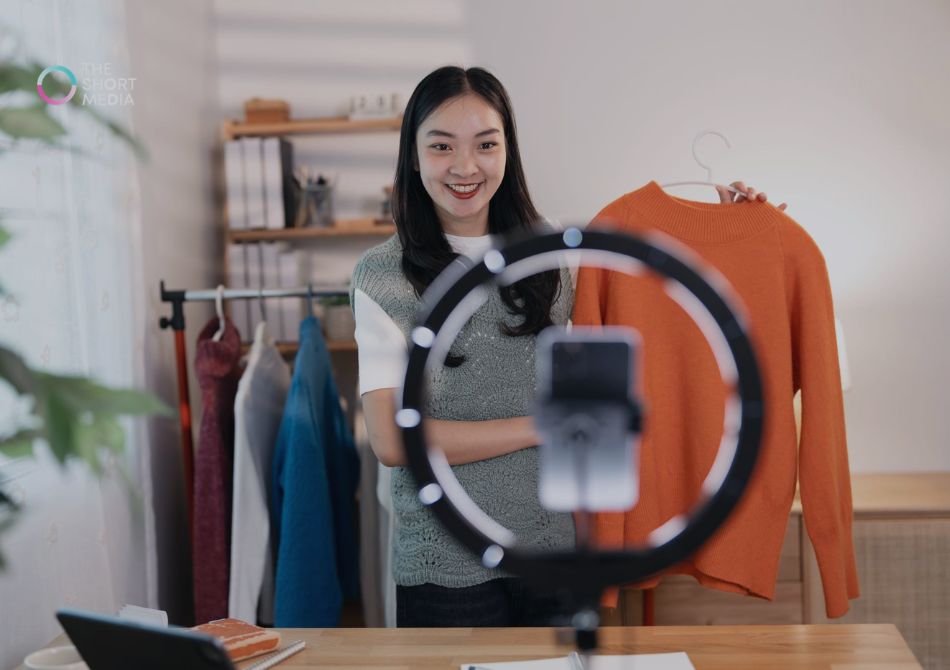
A founder I know sent me two videos for review last spring. Same product: a collagen powder aimed at women in their 30s and 40s. One was shot in a bright studio with a clean backdrop, branded sweatshirt, perfect talking points. The other was filmed by a creator in her kitchen while her coffee was brewing. Slightly messy counter. Dog in the background. She stumbled on one line and kept going.
The kitchen video sold. The polished one barely moved.
That’s pretty much the tension sitting underneath tiktok shop influencer marketing right now. A lot of brands still want control, clean messaging, and campaign decks. TikTok Shop tends to reward something else: creators who can make a product feel like it belongs in their real routine, on a platform where people scroll fast and decide even faster.
If you’ve worked in ecom or paid social in the USA, you’ve probably seen this already. The “funnel” is no longer a neat path where someone sees an ad, clicks a landing page, signs up, gets retargeted, then finally buys. On TikTok Shop, discovery, consideration, objection handling, and checkout can happen in one video thread. Sometimes in the comments, honestly.
Why the old funnel feels a little outdated on TikTok
Traditional social commerce planning still tends to separate awareness from conversion. One team handles creators. Another team runs paid. Ecommerce owns the PDP. Then everyone meets two weeks later and wonders why the campaign underperformed.
TikTok Shop doesn’t really behave that way.
A creator posts a 28-second demo for a heatless curling set. Someone watches half of it, opens comments, sees another user asking if it works on thick hair, notices the creator replying with a second clip, taps into the product listing, checks reviews, and buys before dinner. That’s not awareness at the top and conversion at the bottom. That’s compressed intent.
And that’s why tiktok shop marketing works best when brands stop treating creator content like an upper-funnel side project.
I’ve seen beauty brands in the US overcomplicate this. They’ll spend weeks refining a creator brief for a concealer launch, only to reject the rougher cuts that actually feel native. Then a smaller competitor sends out product fast, lets creators speak like normal people, and wins because the content answers what shoppers actually care about: oxidation, shade match, creasing under fluorescent office lighting. Not “radiant finish” copy from the website.
The real job of creators in TikTok Shop
Influencers on TikTok Shop aren’t just there to “drive awareness.” That phrase hides too much.
They’re doing a few jobs at once:
– Demonstrating the product in a believable setting
– Filtering brand claims through their own voice
– Surfacing objections in comments
– Giving shoppers enough confidence to buy without leaving the app
That’s why tiktok shop influencer marketing can outperform cleaner brand-owned content, especially for products that need a visual proof point. Think skincare tools, pantry products, posture correctors, pet hair removers, protein snacks, home organizers. If someone can show the thing working in real life, the sale gets easier.
A kitchen demo for a salsa brand. A creator testing a mosquito repellent patch before a kid’s soccer game. A gym creator tossing a hydration mix into her bottle after a workout. These don’t need to feel like mini commercials. Usually better if they don’t.
One mistake I keep seeing: brands send scripts that are too tight. You can hear it instantly. The creator starts sounding like customer support wearing a ring light. When that happens, the content may still get posted, but it rarely gets watched all the way through.
TikTok Shop marketing works when content feels close to the purchase
This is where a lot of teams miss the setup.
For tiktok shop marketing, the strongest creator content usually lives very close to the buying moment. Not just entertaining. Not just trendy. Useful in a way that lowers hesitation.
For example, if you’re promoting products on tiktok in beauty, don’t just ask for “get ready with me” content. Ask for side-by-side wear tests, first impressions in natural light, or “I thought this would be too dark but here’s what happened” framing. That last one does well because it mirrors how people actually think before buying.
If you’re promoting products on tiktok for food or supplements, taste and routine matter more than polished branding. A creator making a protein pancake in a real kitchen often beats a glossy recipe clip. I’ve watched comments on those videos basically write the next landing page for the brand: too sweet, not sweet enough, mixes well, weird aftertaste, good for kids, not worth the price unless it’s on bundle.
That comment section is part of the funnel too. Maybe the most ignored part.
Comments, affiliates, and the messy middle
The middle of the funnel used to be email flows and retargeting windows. On TikTok Shop, a big chunk of it happens in public.
A shopper asks if the leggings are squat-proof. Another asks whether the blender is loud. Someone says shipping took six days to Ohio. A creator pins a reply. Another affiliate jumps in with their own test. Suddenly the buyer has social proof, objection handling, product education, and urgency all in one place.
That’s a huge reason tiktok shop influencer marketing has become more than a creator seeding tactic. It’s sales enablement, just in a much messier format.
For brands doing tiktok shop marketing, affiliates matter here more than many teams expect. Not every creator needs a giant following. Mid-tier and smaller affiliates often move more product because they’re willing to post repeatedly, test angles, and talk like an actual customer. A 12,000-follower creator who genuinely likes a home cleaning tool can outsell a larger lifestyle account that treats the post like a one-off obligation.
I’ve also seen brands join trends too late and wonder why conversion dropped. If your team approves a trend-based concept after the sound peaked 12 days ago, it’s usually dead on arrival. Better to anchor the content in a use case than chase a trend you can’t move quickly enough to catch.
Promoting products on TikTok without making it feel like an ad
There’s a difference between content that sells and content that announces it’s trying to sell.
When promoting products on tiktok, the strongest videos usually start with a use case, annoyance, comparison, or tiny personal habit. Not a brand intro. Not “Hi guys, I’m so excited to share…” That opening has been burned out for a while.
A few formats that still hold up:
The “I didn’t expect this to work” angle
Good for problem-solving products, especially home and beauty. A grout cleaner, a pimple patch, a neck fan for summer baseball games. It works because it starts from skepticism, which feels more honest than immediate praise.
The quiet demo
This one gets overlooked. Just hands, product, result. No over-explaining. For promoting products on tiktok, this can work especially well for kitchen gadgets, organizers, cleaning products, and Amazon-style impulse buys.
The objection-led review
A creator says the thing shoppers are already thinking: “I thought this would snag my hair,” or “I assumed this was going to taste chalky.” That’s often stronger than listing benefits.
The repeat-use update
Really useful in tiktok shop marketing when a product needs trust over time. A creator comes back after a week, or after three washes, or after taking it on a trip. Not flashy, but it helps.
What brands in the USA should actually build
If you’re selling through TikTok Shop in the US, especially in crowded categories, you need more than one hero creator and a discount.
You need a content system.
That usually means:
– a mix of affiliates, not just paid influencers
– multiple creator types, including niche voices
– fast feedback loops from comments and sales data
– product pages that match what the videos promise
– enough content variation to support paid boosting if something hits
For tiktok shop influencer marketing, the brands that get traction tend to treat creators less like media placements and more like distributed sales reps with cameras. That sounds a little blunt, but it’s closer to the truth.
And your product has to hold up. TikTok can create demand quickly, but it also exposes weak spots quickly. If sizing is off, if the packaging leaks, if the flavor is weird, if customer service goes quiet, comments will tell on you. Loudly.
That’s also why tiktok shop marketing can be so useful even when a video doesn’t crush sales. You get language from actual shoppers. You find out what people misunderstand. You see whether your “key benefit” is even the thing they care about.
This funnel is shorter, but it’s not simpler
People like to say TikTok compresses the path to purchase. True enough. But compressed doesn’t mean easy.
It means your creative, offer, social proof, product page, and creator fit all have to work at the same time. If one piece is off, the whole thing gets shaky. A great video can’t save a bad listing. A strong affiliate roster can’t fix a product with confusing reviews. And a discount won’t rescue content that feels stiff.
Still, when it clicks, tiktok shop influencer marketing feels less like running a campaign and more like building a sales environment inside the feed. That’s the shift. Not just creators posting content, but creators helping move people from curiosity to checkout in one place, often in one sitting.
Messy. Fast. Very effective when the product and the content actually belong there.
FAQs
1. How many creators does a brand need to start with TikTok Shop?
Usually more than you think, fewer than your finance team fears. For a small test, I like seeing at least 15–30 creators seeded if the product has broad appeal. A couple of creators won’t give you enough variation in hooks, filming style, or audience response.
2. Should brands focus on big influencers or smaller affiliates?
Smaller affiliates are often the better bet early on. They post more often, they’re less precious about content, and they’ll test odd little angles that a larger creator won’t bother with. Big names can help, but they’re not a shortcut.
3. What kinds of products work best for promoting products on tiktok?
Items with a visible result tend to have an easier time. Beauty tools, snacks, home gadgets, cleaning products, fitness accessories, and low-to-mid priced impulse buys usually have a head start. Local services can work too, but they need a different setup and usually won’t fit TikTok Shop the same way physical products do.
4. Does every video need a hard sell?
Not really. Some of the best converting posts barely sound like sales content at all. They just make the product feel useful enough, specific enough, and normal enough to buy.
5. How important are comments for tiktok shop marketing?
Very. Comments often reveal the objections your product page missed, or the claims people don’t fully believe yet. I’ve seen teams rewrite PDP copy after reading three comment threads. Honestly, they should’ve done it sooner.
6. Can brands reuse creator content in paid ads?
Usually yes, if usage rights are sorted upfront. And they should be. A creator clip that already got strong watch time and sales on TikTok Shop can become a solid paid asset, especially if it doesn’t feel overproduced.
7. What’s the biggest mistake in tiktok shop influencer marketing?
Trying to control the message too tightly. The second-biggest mistake is expecting one viral post to carry the whole program. Most wins come from volume, iteration, and creators saying things a little differently until one version sticks.
8. How long does it take to see results?
Sometimes a product moves in the first week. Sometimes it takes a month of testing before the right creator-product fit shows up. If the offer is weak, shipping is slow, or the content feels forced, you’ll know pretty quickly.
9. Is TikTok Shop only for cheap impulse products?
No, but higher-priced items need more trust built into the content. More demos, more comparison, more proof, maybe a creator coming back with an update. A $14 kitchen gadget can get away with less explanation than a $120 skincare device.