

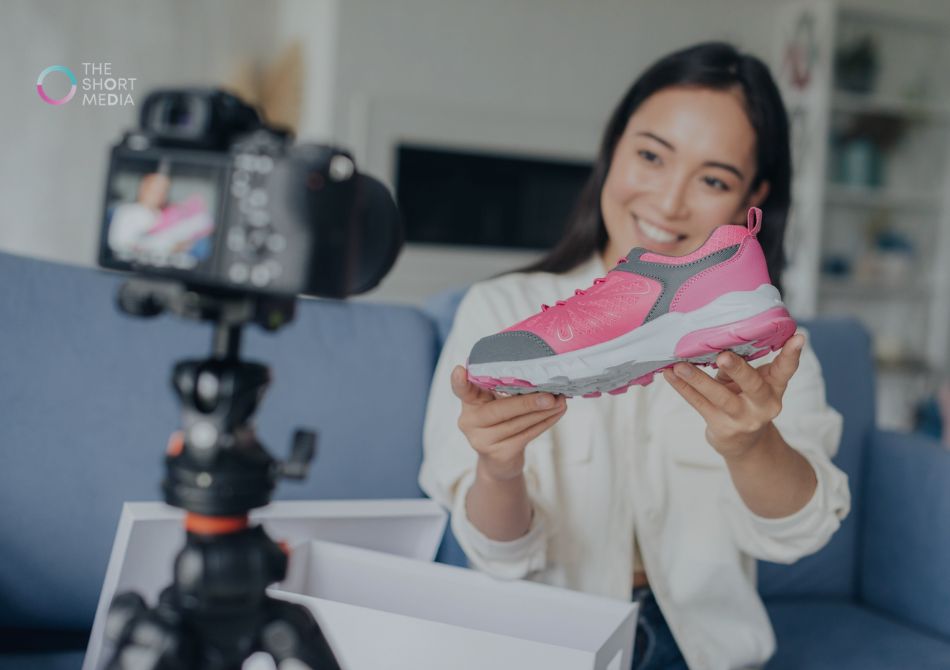
A few years ago, I watched a mid-sized beauty brand approve a TikTok video that looked like a TV spot squeezed into a phone screen. Clean lighting, polished voiceover, product hero shot, logo in the first second. It flopped. A week later, a creator filmed the same product on her bathroom floor, half-whispering about how it actually sat on textured skin, and that one moved inventory.
That gap pretty much explains the evolution of TikTok in the US. A lot of brands showed up treating the platform like Instagram with faster cuts. Then they learned, usually the hard way, that a workable tiktok marketing strategy had to be built around behavior, not branding guidelines.
And that’s really what changed. Not just the app, but the expectations around how brands show up, how creators are used, how paid and organic support each other, and how quickly a team can react without looking desperate.
TikTok stopped rewarding “brand content” pretty fast
Early US brand activity on TikTok had a weird sameness to it. Everyone wanted trends, but through three rounds of approvals. So you’d get a frozen yogurt chain joining a sound two weeks too late, or a home goods brand trying to be funny with captions that had obviously been reviewed by legal.
The accounts that started figuring it out weren’t always the biggest. They were the ones willing to loosen up the production value and let someone talk like an actual person. In beauty, that often meant creators showing application mistakes, not just the final look. In food, it meant filming in a kitchen that looked lived in. In fitness, some of the better-performing clips were shot between sets with a phone propped on a water bottle. Not elegant. Effective.
That shift pushed tiktok digital marketing away from campaign-first thinking and toward content systems. Brands needed more volume, more variation, and more room for things to feel slightly unfinished. Not sloppy. Just not overcooked.
A real tiktok marketing strategy now includes creators much earlier
At first, a lot of US brands treated creators like distribution. Make the ad, hand over the talking points, ask them to post. That still happens, and you can usually tell. The script sounds too perfect, the pauses are in the wrong places, and the comments get awkward fast.
A smarter tiktok marketing strategy now brings creators in before the message is locked. That matters because creators often know where viewers will tune out. They know when a hook sounds like ad copy. They know if a product claim needs a demo to feel believable.
I’ve seen this especially with DTC skincare and Amazon products. A brand will insist on leading with “clinically tested” or “premium quality,” while the creator says, basically, nobody cares until they see how the thing works in real life. Usually the creator is right. A stain remover shown on a kid’s soccer uniform in a laundry room in Ohio will beat a pristine product animation nine times out of ten.
This is where digital marketing tiktok got more mature in the US. Brands stopped asking only, “Who has reach?” and started asking, “Who can make this feel native without sounding fake?”
Organic and paid got less separate than people wanted
For a while, teams liked to split TikTok into neat buckets. Organic over here. Paid over there. Creator whitelisting somewhere in the middle. In practice, it’s messier.
A lot of strong tiktok digital marketing programs now use organic content as a testing ground. Not in a simplistic “post it and boost the winner” way, because that misses context. But if comments are full of objections, confusion, or people asking the same practical question, that’s useful. Sometimes more useful than click-through rate.
I’ve seen comments do a better job than landing page research. A home cleaning brand kept talking about “plant-based ingredients,” but TikTok comments kept asking if the spray would leave streaks on black appliances. That objection wasn’t anywhere on the product page. It should’ve been. Once they made videos answering that exact concern, performance improved across paid and organic.
That’s one reason digital marketing tiktok became more operational. The winning teams weren’t just creative teams. They had paid social managers, community managers, creator managers, and sometimes customer support feeding insights back into the content loop.
The US market made TikTok more commerce-driven
American brands, especially in retail and DTC, pushed TikTok hard toward conversion. That changed the content style.
In the earlier phase, there was a lot of “just be entertaining” advice floating around. Fine, to a point. But once brands had to justify spend, entertainment by itself wasn’t enough. A snack brand launching into Target needed store callouts. A supplement brand needed to handle skepticism. A local med spa needed to explain pricing without sounding stiff. An Amazon seller needed to show setup time in under ten seconds because comments would absolutely drag anything that looked annoying to assemble.
That pressure shaped tiktok digital marketing into something more practical. Product demos got tighter. Hooks got more specific. “Come with me to buy this at Ulta” worked because it matched a real shopping behavior. “Here’s what happened after 7 days” worked because it gave people a timeline they could picture.
And yes, TikTok Shop added fuel to all this, but even outside direct in-app commerce, US marketers started treating content like storefront material. Not polished catalog content. More like the sales floor conversation that happens when someone says, “Wait, show me how big it is,” or “Does this actually hold up?”
Digital marketing TikTok teams had to get comfortable being a little uncomfortable
This part gets skipped in a lot of articles. The platform asks brands to move faster than most internal processes were built for. That created friction.
A retail team wants trend participation. Legal wants claim review. Brand wants consistency. Paid wants fresh assets every week. Creator wants freedom. Usually somebody gets irritated.
The brands that adapted didn’t solve all that tension. They built around it. They created approval lanes for low-risk content. They separated evergreen creator briefs from trend-based briefs. They stopped forcing every asset through the same review process.
That’s a big part of how digital marketing tiktok evolved in the US market: less about “cracking the algorithm,” more about building a workflow that can produce believable content at the speed the platform demands.
And believable matters more than perfect. I’ve watched a product demo filmed in a slightly messy kitchen outperform a studio version by a lot, mostly because the studio one looked like it was trying too hard. People can sense when a brand is borrowing the language of TikTok without understanding the pace of it.
What a stronger TikTok marketing strategy looks like now
A current tiktok marketing strategy in the US usually has a few traits in common, even if the category is different.
It’s creator-heavy, but not creator-dependent in a lazy way. There’s a system for testing different faces, different hooks, different levels of polish.
It’s comment-aware. Teams actually read what people are saying and turn that into content. Not every comment, obviously. But enough to catch the objections that market research missed.
It’s built for iteration. One of the biggest mistakes in tiktok digital marketing is assuming a winning concept should be protected instead of remade. If a “pack with me” angle works for a travel accessory, make five more versions before the format cools off.
It also accepts that not every post needs to perform like an ad. Some content is there to build context, make the account feel alive, or give paid assets a warmer landing spot. That’s still part of digital marketing tiktok, even if the attribution spreadsheet gets grumpy about it.
The brands doing this well don’t look like they’re “doing TikTok”
That’s probably the clearest sign of maturity.
The best US examples now, whether it’s a protein brand, a regional restaurant chain, a hair tool on Amazon, or a local service business posting before-and-afters, don’t feel like they’re trying to “win social.” They look like they understand what viewers need in order to care for eight seconds, then fifteen, then maybe long enough to click.
A decent tiktok marketing strategy used to mean showing up on the platform. Now it means building a repeatable content engine that can react to comments, test creator angles, support paid media, and still feel human. Slightly messy, sometimes. That’s okay.
Actually, that’s usually the point.
FAQs
1. How often should a US brand post on TikTok?
More often than most internal teams are comfortable with, but not so often that quality falls apart. For many brands, 4 to 7 posts a week is a realistic starting point if you have creators or a content pipeline. A local business can do less if the videos are useful and specific.
2. Do you need creators to make TikTok work?
Not always, but it gets harder without them. Founders, store staff, estheticians, trainers, even a franchise owner can become the face if they’re comfortable on camera. Still, creator partnerships tend to speed up learning because they already understand platform pacing.
3. Is organic still worth it if you’re mostly focused on paid?
It is, especially for message testing. Organic posts can show you where viewers get confused, what claims they push back on, and which hooks feel too ad-like. That feedback can save money before you scale spend.
4. What kinds of products tend to do well in tiktok digital marketing?
Products with a visible demo usually have an easier time. Beauty, home gadgets, food, cleaning products, fitness accessories, even weird little Amazon problem-solvers. But I’ve also seen local services do well when they show the process clearly instead of just posting finished results.
5. How polished should TikTok videos be?
Less polished than your brand team probably wants. If it looks too produced, people may scroll before they even process the message. Clean audio matters. Clear visuals matter. But a perfect set and ad-read delivery can hurt more than help.
6. What’s the biggest mistake in digital marketing tiktok right now?
Using one winning video too long. Teams find a top performer, then run it into the ground without making variations. The better move is to pull out the hook, structure, or objection handling and remake it in fresh ways.
7. Should TikTok content mention price?
Sometimes it absolutely should. If price is a common objection, hiding it doesn’t help. For retail launches, promos, local services, and products under obvious comparison pressure, being upfront can improve lead quality and comment sentiment.
8. Can local US businesses really use TikTok well?
They can, if they stop trying to look like national brands. A med spa in Dallas, a bakery in Chicago, a gym in Phoenix, they all have useful, visual material. Show the process, answer common customer concerns, and keep the camera moving. That’s often enough.
9. How do you know if your TikTok content feels too scripted?
Watch it with the sound off first, then with the sound on. If the body language says “ad” before the person even gets to the point, it’s probably too stiff. Also, if the creator sounds like they’re reading your website headline, yeah, rewrite it.