

A few months ago, I watched a beauty brand spend real money on polished TikTok ads that looked like mini TV spots. Nice lighting, clean product shots, approved talking points, the whole thing. Meanwhile, a creator they hired on the side filmed a quick demo at her bathroom sink, fumbled one line, laughed, kept going, and sold more in two days than the studio edit did all week.
That’s the part some teams still resist about tiktok e commerce. It doesn’t reward “brand-safe” content in the way a lot of US marketers were trained to expect. It rewards relevance, speed, and proof. Not abstract proof, either. Real use, real comments, real friction, real buying behavior.
If you’re a US brand trying to make sense of where TikTok shopping is headed, there are a few trends worth paying attention to. Not because they sound exciting in a deck, but because they show up in performance.
TikTok e commerce is getting less polished, not more
A lot of teams still think success on TikTok means learning the platform’s visual style. That’s part of it, sure. But the bigger shift is this: content that feels too approved often drags.
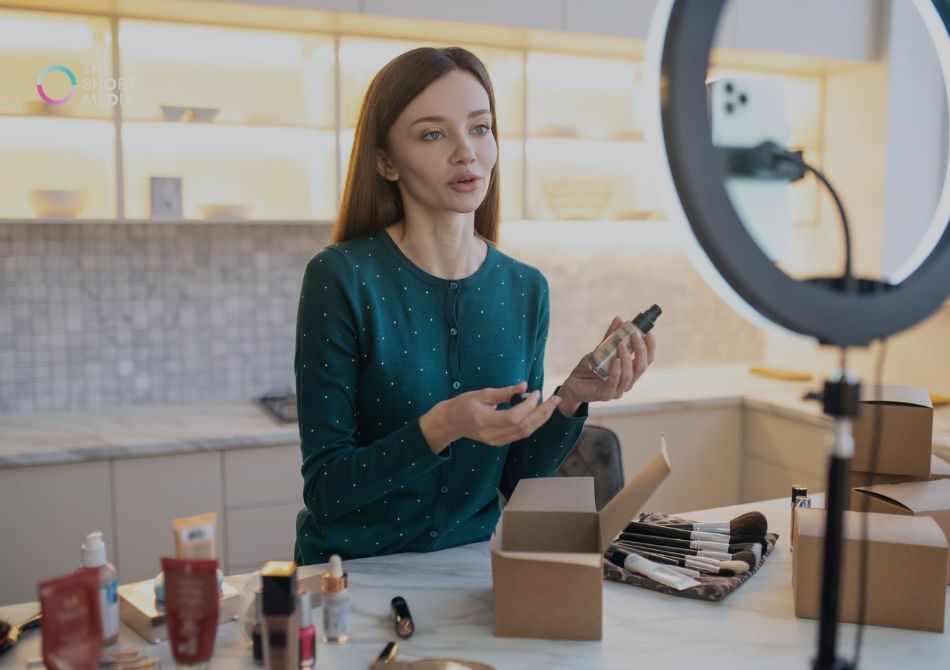
I’ve seen this with skincare, protein snacks, cleaning products, even home gadgets. The videos that move product usually don’t look expensive. They look believable. A founder packing orders in a warehouse in Ohio. A mom showing how a stain remover actually works on a kid’s soccer uniform. A fitness creator comparing two resistance bands in her garage, not a perfect white studio.
This matters for tiktok e commerce because the purchase path is shorter than it used to be. If someone can buy without leaving the app, the content has to do more of the selling work right there. It has to answer the obvious objections quickly:
– Does it actually work?
– Is it worth the price?
– Is this for me?
– Why does this one feel different from the ten others I’ve seen?
That’s where rougher content often wins. Not because rough always beats polished, but because polished often hides the product. And on TikTok, hiding the product is a weirdly common mistake.
The real growth area is tiktok shop ecommerce, not just awareness
There are still brands treating TikTok like a top-of-funnel channel and nothing else. That made more sense a while back. Less so now.
tiktok shop ecommerce has changed the planning conversation for DTC brands, Amazon sellers, and even retail-first brands testing direct response. Teams that used to ask, “Can TikTok drive interest?” are now asking, “Can we build a repeatable sales engine here without wrecking margin?”
That’s a better question.
For a lot of US brands, especially in beauty, supplements, kitchen tools, and impulse-friendly home products, tiktok shop ecommerce works best when it’s treated like a hybrid of affiliate, paid social, and creator seeding. Not a standalone storefront that magically prints revenue.
I’ve seen brands get excited too early because one product took off for a weekend. Then they realize returns are messy, creator payouts weren’t modeled correctly, and customer service is suddenly handling TikTok-specific complaints. The sales spike was real. So were the operational headaches.
Still, tiktok shop ecommerce is where a lot of the platform’s momentum sits right now. If you’re a US brand with products that demo well, solve a visible problem, or have strong before-and-after potential, it’s hard to ignore.
Marketing TikTok Shop means planning for creators who aren’t polished actors
One of the biggest mistakes in marketing tiktok shop is over-controlling creator output.
You can always tell when a script has been revised by five internal stakeholders. The creator starts sounding like a landing page. They hit every message point. They also sound like they’re reading a hostage note.
That kind of content usually dies fast.
The better approach in marketing tiktok shop is to give creators a real angle, not a memorized paragraph. Maybe it’s “show your first impression after using it for three days.” Maybe it’s “compare this to what you were buying at Target.” Maybe it’s “film the part that annoyed you before you figured out how to use it.”
That last one matters more than brands think. Comments often reveal objections the product page missed entirely. I’ve watched people ask whether a kitchen gadget is dishwasher safe, whether a beauty product oxidizes on deeper skin tones, whether a wellness item is HSA/FSA eligible, whether a supplement tastes weird, whether a home organizer fits apartment cabinets instead of suburban kitchens. Useful stuff. Sales-page stuff. But it often shows up first in comments.
Good marketing tiktok shop teams read those comments like research, because that’s what they are.
Search behavior is creeping into shopping behavior
TikTok isn’t just trend-chasing anymore. A lot of users are searching with buying intent, especially younger shoppers who’d rather watch a demo than read a product description written by committee.
That changes content strategy.
For tiktok shop ecommerce, brands should think beyond trend participation and build a usable library of videos around actual buyer language. Not stiff keyword stuffing. Just normal phrasing people use when they’re trying to figure something out.
A few examples from US categories:
– “best foundation for humid weather”
– “meal prep container that doesn’t leak”
– “walking pad for small apartment”
– “pet hair remover for car seats”
– “pre workout that doesn’t make you itchy”
That kind of content can keep converting after the trend cycle moves on. It’s less flashy, but often more stable. And frankly, some brands need more stable.
Smaller creators are still doing a lot of the heavy lifting
There’s always pressure to land a big creator. Sometimes that makes sense. Often it doesn’t.
For marketing tiktok shop, smaller creators tend to outperform on efficiency because they still feel like actual users. Their comments are more conversational. Their demos are less rehearsed. Their audiences haven’t developed ad blindness to every recommendation.
I’ve seen a Texas food brand get stronger results from five smaller creators filming in their own kitchens than from one larger lifestyle creator who made the product look like a prop. Same thing with a home organization brand selling on tiktok shop ecommerce. The best-performing video was shot in a cramped apartment pantry with bad overhead lighting. Not ideal visually. Very convincing, though.
A lot of paid social teams know this now, but some brand teams still chase follower count because it’s easier to explain internally. Fair enough. It’s just not always where the sales come from.
Paid media works better when it amplifies what already feels native
This is where some teams waste months. They build ad creative separately from organic and creator content, then wonder why the account feels disconnected.
For tiktok e commerce, paid usually performs better when it starts with content that already has some signs of life. Not always viral. Just alive. Watch time, saves, comments that sound like buying intent, maybe a few viewers asking where to get it.
Then you build from there.
A nice pattern I’ve seen in marketing tiktok shop is this:
A creator post starts getting strong comments. The brand cuts a tighter version for Spark Ads or paid amplification. Then they make follow-up videos answering objections that showed up in comments. Then they update the product page to match what people actually care about. That loop is practical. It’s also much closer to how TikTok works than the old campaign model where everything is locked before launch.
Logistics and margin are becoming part of the creative conversation
Not the fun part, but very real.
If you’re serious about tiktok shop ecommerce, your ops team needs to be in the room earlier. Fast-moving products can sell through before a team adjusts inventory. Bundles can help AOV but may confuse creators if the offer changes every week. Shipping delays can tank comment sentiment faster than most brands expect.
I’ve also seen tiktok e commerce campaigns underperform because the offer looked weak next to what users are used to seeing in-feed. If everyone else is running a coupon, bundle, sample add-on, or free shipping threshold, your full-price single unit with no urgency may just sit there.
That doesn’t mean discount everything. It means creative, offer, and fulfillment can’t be planned in separate silos anymore.
Retail and Amazon brands shouldn’t sit this out
A lot of people still frame TikTok Shop as a DTC-only thing. That’s too narrow.
US retail brands can use marketing tiktok shop to test product angles before a shelf launch, move limited bundles, or support a broader campaign with creator proof. Amazon-focused brands can use tiktok shop ecommerce to diversify demand and collect stronger signals around what messaging actually sells, not just what gets clicks.
Even local service-adjacent businesses have room here. I’ve seen med spas, boutique fitness studios, and home service brands use TikTok-style commerce content to sell starter kits, promos, and seasonal packages. Not everything has to look like a classic product drop.
What US brands should actually do next
This is usually where articles get annoyingly tidy, so let’s keep it practical.
If you’re working on tiktok e commerce, don’t start by asking for a big campaign. Start by finding 10 believable ways to show the product in use. Then find creators who already speak like customers, not presenters. Give them room. Watch the comments. Tighten the offer. Fix the product page. Promote what earns attention instead of forcing what looked good in review.
And if your team joined a trend two weeks late last quarter, you’re not alone. Happens all the time.
The brands getting traction in tiktok shop ecommerce right now aren’t necessarily the loudest or the most polished. Usually they’re the ones willing to move a little faster, listen a little better, and stop pretending every video needs to sound approved by legal, brand, and three VPs.
FAQs
1. How often should a brand post if it wants sales, not just views?
More often than most teams are comfortable with. Three to five posts a week is a decent starting point, but consistency matters more than hitting some magic number. If you’re only posting highly produced content once every two weeks, you probably won’t learn fast enough.
2. Is TikTok Shop only useful for cheap impulse products?
Not really. Lower-priced items tend to move faster, sure, but I’ve seen premium skincare, fitness equipment, and specialty food products do well when the demo is strong and the value is obvious. Higher-priced products just need more proof and usually more creator variation.
3. What’s the biggest mistake in marketing tiktok shop?
Over-scripting creators is up there. Another common one is treating creators like media placements instead of feedback loops. If five creators all mention the same customer hesitation, that’s not random. Fix the messaging.
4. Should US brands work with agencies or keep this in-house?
Depends on how fast your internal team can produce, test, and respond. A good agency can help with creator sourcing, paid amplification, and operational setup, especially for tiktok shop ecommerce. But if the agency makes everything look too polished, that’s a problem too.
5. Can established retail brands make tiktok e commerce work?
They can, but they usually need to loosen up a bit. Retail brands often have strong products and weak platform instincts at first. The content gets better when they stop trying to make TikTok behave like a catalog shoot.
6. Do follower counts matter much anymore?
Less than some people hope, more than some people pretend. Reach helps, obviously, but conversion often comes from fit, trust, and whether the creator can make the product feel usable. I’d take a smaller creator with believable comments over a giant account with vague engagement. Most days, anyway.
7. How much does the product page matter if the video is doing the selling?
A lot. People will forgive a casual video. They won’t forgive a confusing product page, missing shipping info, or weak reviews. I’ve seen comments do the hard work of generating interest, then the page kills momentum.
8. Is it too late to get into tiktok shop ecommerce now?
No, but the easy phase is gone. You’ll need better operations, better creator management, and a clearer offer than brands needed early on. Still worth testing if your product demos well and your team can move without six weeks of approvals.
9. What kind of products struggle on TikTok Shop?
Products that need too much explanation, products with no visible payoff, and products sold with generic claims. If a viewer can’t understand the value in a few seconds, it gets harder. Not impossible. Just harder, and usually more expensive to force.