

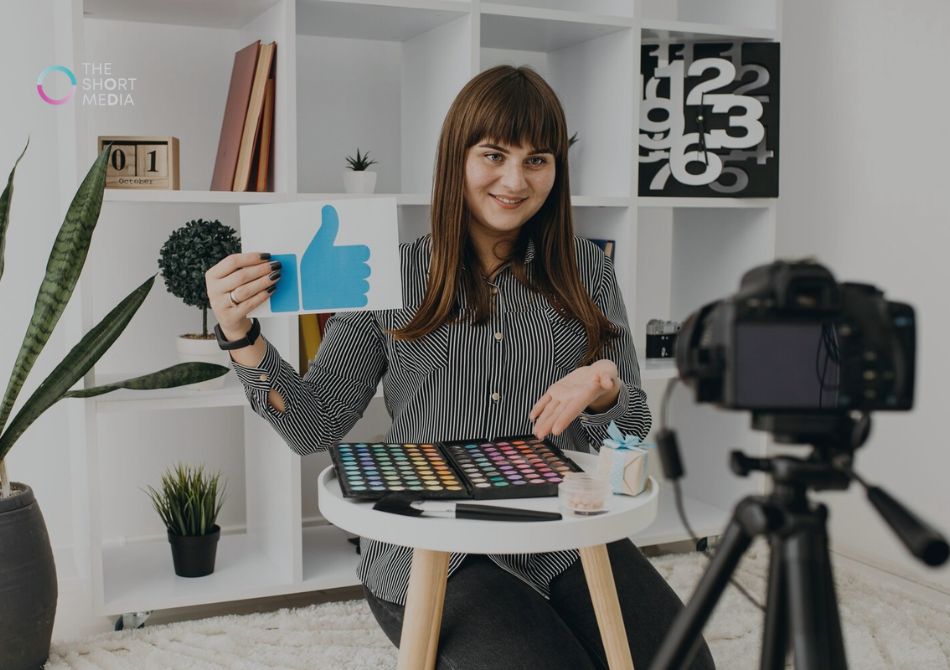
I’ve seen this happen more than once: a brand spends three weeks polishing a “hero” video, gets the lighting right, adds motion graphics, legal reviews every line… and then a creator films a rough product demo at her kitchen counter in Ohio and beats it by 4x on click-through rate.
That’s usually the moment a team realizes TikTok creative doesn’t behave like polished Meta creative or a retail TV spot cut down for social. Different feed, different attention, different tolerance for brand-speak. And if you’re hiring a tik tok ads agency, this is the part that matters most. Not the pitch deck. Not the media plan. The creative system.
Because high-converting TikTok ads rarely come from a single “big idea.” They come from a lot of small decisions made well: the first second, the face on camera, the way a problem is framed, the comments you read before writing the next script, the choice to keep a stumble in because it sounds human.
What a tik tok ads agency is actually doing behind the scenes
A good tik tok ads agency isn’t just buying media and asking creators for three videos a month. It’s building a repeatable process for making ads that feel native enough to stop the scroll, while still doing the boring but necessary work of selling.
That usually starts with research, but not the fluffy kind. More like:
– What are people already saying in comments?
– Which objections keep showing up on Amazon reviews or post-purchase surveys?
– Does the product need a demo, a comparison, or just better framing?
– Is the founder too polished on camera?
– Are creators reading the script like they’re submitting homework?
That last one matters more than people think. I’ve watched perfectly good hooks die because the creator hit every word too cleanly. TikTok users can smell “approved copy” pretty fast.
The better agencies build ad concepts from actual customer language. For a beauty brand, that might mean pulling phrases from Sephora reviews about cakey foundation settling around the nose by 2 p.m. For a home cleaning product, it could be comments from moms showing where sprays fail on stove grease. For a fitness app, maybe users keep saying they don’t want a trainer yelling at them. There’s your angle.
High-converting creative usually starts with ugly drafts
This is the part some internal brand teams hate. The first round of winning TikTok ads often looks a little undercooked.
Not sloppy. Just not overproduced.
Teams offering tiktok ads services know they need volume before polish. They’ll test multiple hooks, different creator types, several edit styles, and a few offers before deciding what deserves a bigger budget. If you try to perfect everything upfront, you end up spending too much on content that hasn’t earned it.
For a snack brand in the US, that might mean testing:
– a creator trying the product in her car after Target pickup
– a quick “what I expected vs what happened” cut
– a price comparison against a better-known grocery option
– a comment-reply style ad answering “is this actually filling?”
One of those will usually reveal something useful. Maybe the product wins when it’s framed as a workday convenience, not a health food. Maybe the strongest audience isn’t gym people at all, but busy parents.
That’s why advertising on tiktok ads is less about finding one viral concept and more about finding patterns that keep converting.
The first two seconds carry more weight than most brands admit
A lot of brands still write hooks like headlines. That’s usually a mistake.
The strongest openers feel like someone is about to tell you something specific, not present a campaign. A creator holding up a pan and saying, “I thought this was another useless Amazon kitchen thing,” will often outperform a clean product intro with logo animation. Not because it’s “authentic” in some abstract way. Because it creates tension quickly and sounds like a person.
A tik tok ads agency that knows what it’s doing will obsess over openings. They’ll test:
– direct problem hooks
– curiosity hooks
– comment-led intros
– “I was influenced” confession-style starts
– side-by-side comparisons
– founder clips that feel a little rough, in a good way
For advertising on tiktok ads, this testing matters because users decide very fast whether your ad belongs in their feed. If it feels imported from somewhere else, performance usually drops before the product even gets a chance.
Good agencies don’t separate creators from performance
This is where a lot of tiktok ads services fall apart. The creator team is doing one thing, paid social is doing another, and nobody’s really connecting creative output to conversion data.
The better setup is tighter. Paid media people are looking at hold rates, thumb-stop ratio, CTR, CPA, and even comment quality. Then they feed that back into the next script batch.
So instead of saying “we need more UGC,” they say:
– the middle-aged male creator converted better for the home improvement tool than the younger lifestyle creator
– the product claim worked when demonstrated in a garage, not a studio
– people kept asking if the supplement caused jitters, so the next ad should address that in the first five seconds
– the kitchen-shot demo beat the branded set again, which… yeah, happens a lot
I’ve seen comments do more for conversion strategy than some brand workshops. A local med spa running advertising on tiktok ads noticed users kept asking recovery-time questions under a treatment ad. Their landing page barely mentioned it. Once the creative answered that concern upfront, lead quality improved and the sales team had fewer repetitive calls.
That’s not glamorous, but it’s real.
Why scripting is usually the problem, not the creator
Brands often say a creator “wasn’t strong.” Sometimes that’s true. But often the script was too stiff, too complete, too eager to mention every benefit.
A smart tik tok ads agency writes for spoken delivery, not for approval chains. That means broken-up phrasing. Interruptions. A little room for the creator’s own language. If every line sounds neat, the ad starts sounding expensive in the wrong way.
For tiktok ads services, this gets especially important when scaling creators. The agency has to know which lines must stay for compliance or positioning, and which lines should be loose. If you overcontrol everything, the performance drops. If you undercontrol it, you get off-brand chaos. There’s a middle ground. It takes practice.
A skincare brand, for example, may need certain claim language handled carefully. Fine. But the creator can still say, “I didn’t expect much from this, honestly,” in her own cadence before showing texture and wear-through after a long day. That’s often better than a pristine before-and-after with five text overlays fighting for attention.
Editing choices matter more than fancy production
Fast cuts help sometimes. Captions help often. But editing isn’t just about speed.
Good TikTok editors know when to leave a pause in. When to punch in on a reaction. When to show the mess before the clean countertop reveal. When to keep the creator’s “wait—look at this” because it sounds unscripted. Tiny stuff, but it adds up.
Agencies that are serious about advertising on tiktok ads usually build multiple edit versions from the same raw footage. One with heavier text. One looser. One more product-forward. One more personality-led. This is how they find out whether the audience needs more explanation or less.
That’s also why tiktok ads services shouldn’t be sold as a one-and-done content package. The editing layer is where a lot of the performance lift happens after filming.
The offer still matters, even on a creative-first platform
Sometimes teams blame creative when the real issue is the ask.
If your product is unfamiliar, expensive, or solving a problem people don’t think about daily, the ad can’t do all the work. A good tik tok ads agency will pressure-test the offer too. Maybe the first purchase needs a bundle. Maybe the CTA should push a quiz, not a hard sale. Maybe the ad is fine, but the landing page looks like it was built for desktop in 2019.
This comes up a lot with DTC brands and Amazon products. The ad gets attention, comments look decent, click-through is healthy enough, and then conversion falls off. Usually there’s a disconnect after the click. Not always, but often.
For advertising on tiktok ads, creative and conversion path have to be looked at together. Otherwise teams keep reshooting content when the real friction is shipping cost, unclear ingredients, or a product page that doesn’t match the ad’s tone.
What to look for in agencies offering tiktok ads services
If you’re evaluating partners, ask less about “viral strategy” and more about process.
A few things I’d want to hear:
– how they source and brief creators
– how many hooks they test per concept
– what metrics they use to judge creative quality
– how often they refresh winners before fatigue sets in
– whether they rewrite based on comments and post-click behavior
– how they handle US audience nuance across categories like beauty, food, home, and local services
A decent tik tok ads agency should be able to show how a concept evolved, not just brag about one winner. You want to see version one, version four, and what changed in between. That tells you they actually know how to build.
And honestly, if every sample in their portfolio looks overproduced, I’d ask questions.
FAQs
1. How many creatives should a brand test at once?
Usually more than the brand is comfortable with. Six to twelve variations is pretty normal if you’re serious, especially when the differences are meaningful and not just tiny caption swaps.
2. Do polished brand videos ever work on TikTok?
They can. Beauty launches, retail drops, and bigger seasonal campaigns sometimes benefit from stronger production. But even then, the polished version often needs rougher companion assets to carry performance.
3. How long does it take to find a winning ad?
Sometimes a week, sometimes a month. If a team is testing properly, you’ll usually learn something useful quickly, even if you don’t hit a breakout winner right away.
4. Should creators follow a script word for word?
Usually not. Give them guardrails, key claims, and what absolutely needs to be said. Then let them sound like themselves. Otherwise it gets weird fast.
5. What’s the biggest mistake brands make with TikTok ads?
Treating them like mini commercials. Second biggest: joining a trend after it already feels tired. I’ve watched brands approve trend-based concepts two weeks too late more times than I can count.
6. Are comments really that useful for creative strategy?
Very. They’ll tell you what people don’t understand, what they don’t believe, and what they care about that your landing page forgot to mention.
7. Do local businesses need a different approach than DTC brands?
A bit. A med spa, dentist, or gym usually needs more trust signals and more local relevance. The ad has to feel close to real life, not like a generic national campaign.
8. Is one creator enough if they perform well?
Not for long. Fatigue shows up, audiences narrow, and performance gets shaky. Keep the winner running, sure, but build the bench.
If there’s a consistent pattern in high-converting TikTok creative, it’s this: the ads that work tend to feel observed, not manufactured. A little more like someone noticed how people actually talk, hesitate, compare, complain, and buy. The agencies worth hiring are the ones paying attention to that level of detail.