

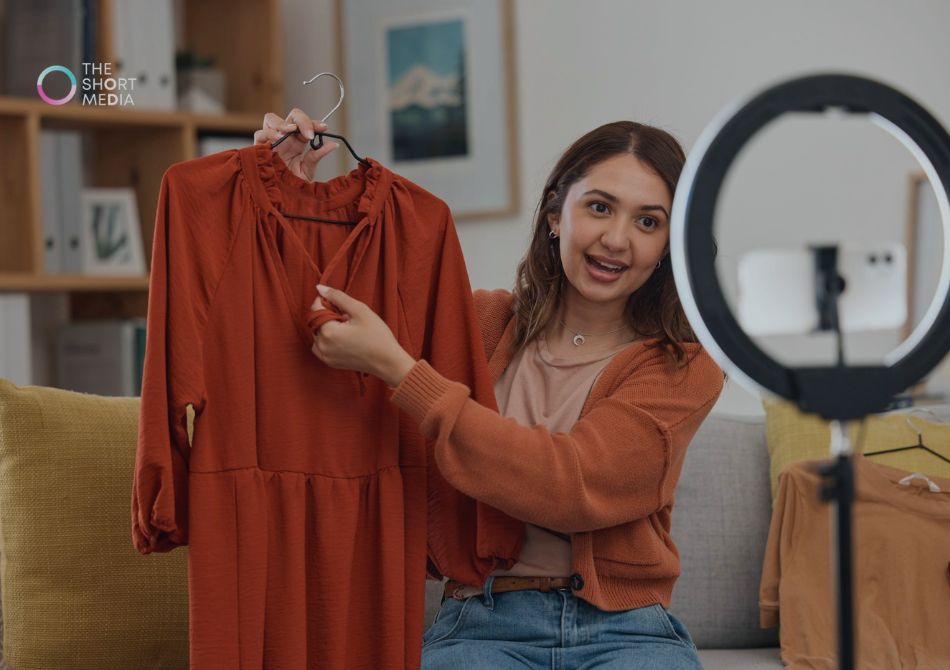
A few months ago, I watched a US beauty brand run two live selling events in the same week. One was on TikTok. Fast-paced, comments flying, creator holding up a lip oil in bad apartment lighting, sales coming through anyway. The other was a more traditional livestream setup on the brand’s own site. Better camera. Better graphics. Much quieter. Fewer questions, fewer impulse buys, and honestly less energy.
That contrast says a lot.
A lot of brands still lump all livestream commerce into one bucket, but TikTok’s version behaves differently. The audience acts differently, the pacing is different, and what actually drives conversion isn’t always what your e-commerce team expects. If you’re comparing TikTok LIVE shopping with older-school livestream selling, you’re not just comparing two sales channels. You’re comparing two very different customer behaviors.
TikTok LIVE shopping agency perspective: why these formats don’t behave the same
If you’ve worked with a TikTok LIVE shopping agency, you’ve probably heard some version of this already: the mechanics may look similar, but the buying mindset is not.
Traditional livestream selling usually asks people to show up on purpose. They click into a scheduled event, often from an email or SMS push, and they already know the brand. Think QVC energy, just modernized. That can work well for loyal customers, product drops, and categories where a longer demo matters. Home products, kitchen gadgets, supplements, collectible launches. There’s intent there.
TikTok LIVE shopping is messier. In a good way.
People drift in from the For You feed. They may not know the brand at all. They’re half browsing, half being entertained, and then suddenly they’re asking whether the protein powder tastes chalky or if the self-tanner stains sheets. That’s where TikTok LIVE marketing gets interesting. The comments often surface the exact objections your product page forgot to answer.
I’ve seen a kitchen-shot demo for a countertop ice maker outperform polished studio content because the host casually showed the machine running next to a sink full of dishes. It looked real. A little chaotic. People trusted what they were seeing.
That’s not a small detail. It’s the format.
Traditional livestream selling still works — just not for the same reasons
There’s still a place for traditional livestream selling, especially in the USA where brands already have email lists, retail partnerships, loyalty programs, and repeat buyers they can activate.
For example, if a home fitness brand is launching a new adjustable dumbbell set and wants to walk through specs, financing, warranty, and setup, a longer-form branded livestream can do the job. Same for a cookware company doing a holiday bundle event with a chef host. The audience may be smaller, but they’re warmer.
Traditional livestream selling tends to reward structure:
– scheduled run of show
– product segments
– prepared host talking points
– cleaner conversion path
That structure can help. It can also make the whole thing feel stiff if the host sounds too rehearsed. I’ve watched creators lose a room by reading a script too perfectly. You can almost feel the comments cool off.
With TikTok LIVE marketing, over-polish is often a drag. Not always, but often enough that brands should pay attention.
The real difference: discovery vs appointment viewing
This is where most comparisons get fuzzy.
Traditional livestream selling is closer to appointment viewing. You invite people in. They show up with some level of purchase intent. The brand controls more of the environment.
TikTok is discovery-led. People are not necessarily planning to shop. They’re scrolling. Then a host catches attention in the first few seconds, maybe with a demo, maybe with a strong offer, maybe just by being believable. That changes how TikTok shop marketing needs to work.
A brand can’t rely on the same old “join us live at 7 PM” strategy and expect magic. Promotion matters, sure, but the live itself has to earn attention quickly. The first minute is usually more important than the slide deck, the lower-third graphics, or the talking points your paid social manager spent all afternoon polishing.
That’s also why TikTok shop marketing often works best when the host feels native to the platform. Not overly trained. Not robotic. Someone who can pivot when comments come in sideways.
A good host won’t just say the moisturizer is lightweight. They’ll answer the actual question in the chat: “Would this pill under sunscreen if I’m using a mineral SPF?” That’s selling.
Why TikTok LIVE marketing tends to move faster
Pacing matters more than most teams think.
Traditional livestreams can sit in a product explanation for five or six minutes. On TikTok, that’s risky. New viewers are constantly entering. They haven’t heard the setup. They need context fast. So TikTok LIVE marketing often relies on repeated mini-pitches, quick demos, pinned products, offer reminders, and constant comment response.
It can feel repetitive to the brand team. To the viewer, it usually doesn’t.
This is also where TikTok shop marketing and merchandising need to be tighter than people expect. If the featured SKU isn’t pinned correctly, if the offer is confusing, if the host is talking about shade 3 while shade 7 is pinned, conversion drops for very boring reasons. Not strategic reasons. Just sloppy execution.
I’ve seen that happen with a DTC hair tool brand. Great host, strong audience, comments full of “which barrel are you using?” but the wrong variant was highlighted for ten minutes. Sales slowed down immediately. Fix the pin, orders pick back up. Not glamorous, but real.
Where a TikTok LIVE shopping agency actually helps
A TikTok LIVE shopping agency isn’t useful because brands can’t go live on their own. They can. The issue is that most internal teams underestimate how operational this channel is.
A solid TikTok LIVE shopping agency usually helps with host selection, run-of-show planning, moderation, offer packaging, product pinning, creator briefing, and post-live analysis. The better ones also know when not to overproduce. That matters.
A lot of US brands come in thinking they need a mini TV show. They don’t. They need a host who can demo a snack bundle without sounding like a teleprompter, a moderator who can catch repeat objections in chat, and a setup that doesn’t kill spontaneity.
That’s especially true for TikTok shop marketing in categories like:
– beauty and skincare
– fitness accessories
– pantry items and snacks
– cleaning tools
– Amazon-friendly impulse products
– back-to-school home organization
These are categories where live demos, urgency, and social proof can do a lot of work quickly.
Traditional livestreams give you more control. TikTok gives you more signals.
This is probably the tradeoff in plain English.
Traditional livestream selling gives brands more control over the setting, the story, and the audience journey. For premium products or more complex sales, that can be a real advantage. If you’re launching a high-end mattress, a medical-grade skincare device, or a local service package with financing details, a controlled format may simply fit better.
TikTok gives you more feedback. Faster, rougher, and sometimes annoyingly honest.
That’s useful. Comments will tell you if your bundle naming is confusing, if your before-and-after claim sounds fake, if your price feels off, if your creator is talking too much before demonstrating the product. I’ve seen a food brand realize mid-live that shoppers cared less about “high protein” and more about whether the bars melted in a car. That changed the creative for the next two weeks.
Good TikTok LIVE marketing teams pay attention to those signals. Great ones feed them back into paid ads, product pages, and creator briefs.
So which one should a brand choose?
It depends on what you’re trying to do, but not in a vague strategy-deck way.
If you need controlled education for an existing customer base, traditional livestream selling can still be the better fit.
If you want discovery, faster feedback, creator-led selling, and a format that can turn a casual viewer into a buyer in a couple of minutes, TikTok is hard to ignore. That’s why TikTok shop marketing keeps pulling in brands that originally thought live selling wasn’t for them.
And if you’re trying to force TikTok into the same mold as your old livestream playbook, it usually shows. The brand joins a trend two weeks too late, the host sounds over-briefed, the lighting is perfect but the energy is dead. Meanwhile somebody else is selling the same category from a kitchen counter with a better read on the comments.
That’s the part some teams don’t love hearing.
FAQs
1. Is TikTok LIVE shopping only for cheap impulse products?
Not really. Lower-priced items do tend to move faster, especially in beauty, snacks, and home gadgets, but I’ve seen mid-ticket bundles work when the host gives a clear demo and answers objections live. Price matters less than clarity.
2. Does traditional livestream selling convert better than TikTok?
Sometimes, with a warmer audience. If your email list already trusts you, a scheduled branded event can convert very efficiently. TikTok usually brings more discovery and more variability.
3. How important is the host in TikTok LIVE marketing?
Very. A weak host can sink a good offer fast. The biggest issue usually isn’t charisma, weirdly enough — it’s when someone sounds too memorized and stops responding naturally to comments.
4. Should brands hire a TikTok LIVE shopping agency or build in-house?
Early on, a TikTok LIVE shopping agency can save a lot of trial and error. Once a brand has repeatable systems, some pieces can move in-house. But most teams still need outside help with creator sourcing or live optimization.
5. What makes TikTok shop marketing different from regular TikTok content?
Regular content can be loose and top-of-funnel. TikTok shop marketing has to connect attention to product action pretty quickly, even when the content feels casual. Product pins, offer timing, and comment handling matter more than people think.
6. Is production quality a big factor?
Up to a point. Bad audio is a problem. Terrible lighting can hurt. But a perfectly lit studio won’t fix a boring live. I’d take decent production and a believable demo over a glossy setup any day.
7. Can local US businesses use TikTok LIVE selling too?
They can, especially in beauty services, boutiques, specialty food, and even some fitness studios. A med spa showing skincare kits, or a local bakery doing seasonal bundle drops, can make it work if the host is comfortable on camera and the offer is simple.
8. How often should a brand go live?
More than once, less than every day for no reason. Weekly is a reasonable starting point for many brands testing TikTok LIVE marketing. Enough frequency helps you learn patterns without burning out your team or your audience.
9. What’s the biggest mistake brands make with TikTok shop marketing?
Treating it like a polished campaign instead of a live sales environment. They focus on visual branding and forget the basic stuff: pinned products, moderator support, creator fit, offer clarity, comment response. That’s usually where the money is.