

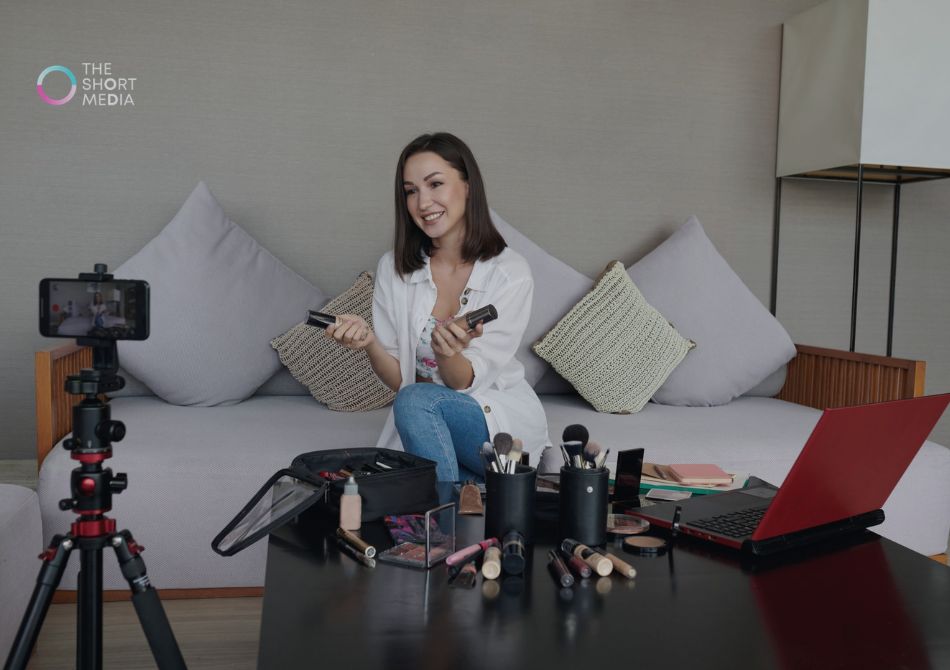
I’ve watched enough brand lives on TikTok to know the drop-off usually happens fast. Not always because the product is bad. Usually because the first two minutes feel stiff, the host sounds like they memorized bullets from a deck, and nobody adapts when the comments start telling the real story.
A founder from a small skincare brand in Texas once opened a live by reading discount details for almost a full minute. You could actually see the room thin out. Later that week, the same product sold better when a TikTok live creator went live from her bathroom, opened the jar on camera, and talked through why she used it after tretinoin. Less polished. More convincing. And viewers stayed.
That’s the thing about TikTok LIVE marketing: retention usually has less to do with “going live” and more to do with whether the session feels alive.
TikTok LIVE marketing works when the live has a pulse
A lot of teams still treat live sessions like a watered-down webinar or a shopping channel with comments on the side. That’s usually where it goes wrong.
The lives that hold attention tend to have movement. Not chaos, just momentum. A host is demoing, reacting, pinning comments, changing angles, answering objections, showing results, then circling back to the offer without sounding like they’re trapped in a script.
For US brands, this matters even more when the product needs explanation. Think beauty tools, supplements, kitchen gadgets, posture devices, pet products, even local med spa offers. If the product has friction, live can help. But only if the host can handle that friction in real time.
I’ve seen comments do more research than a landing page ever did. Someone asks if a protein powder tastes chalky. Another says they bought a similar one on Amazon and hated it. That’s not a problem. That’s the sales conversation showing up in public. A strong TikTok live creator knows how to use that moment instead of ignoring it.
The host matters more than the setup
Not every charismatic creator can hold a live. And not every polished spokesperson should.
A good TikTok live creator knows how to pace a room. They know when to pause on a product close-up, when to call out a username, when to stop talking because comments are moving in a different direction. They also know when a script is hurting them. You can hear it, honestly. The tone gets too clean, too exact, and suddenly the live feels like a training video.
That’s why brands working with a TikTok LIVE agency often see better retention once they stop over-controlling the message. The agency’s real job isn’t just booking talent or scheduling streams. It’s matching the right host to the right product and giving them enough structure without sanding off their instincts.
I’ve seen a kitchen demo for a home product outperform studio content by a mile because the creator kept fumbling with the packaging a little, laughed, and then showed how it actually fit under the sink. Real homes sell home products better than glossy set builds. Usually.
A script should guide, not flatten
There’s a difference between preparation and overproduction.
The best live sessions usually have a loose run of show:
– first hook
– quick proof point
– product demo
– comment handling
– offer reminder
– reset for new viewers
That structure helps. But if the host sounds like they’re checking boxes, average watch time drops. Fast.
A TikTok LIVE agency that understands retention will build talking points around natural moments: texture reveal, before-and-after, side-by-side comparison, “here’s what annoyed me at first,” “this part surprised me.” Those details keep people around because they feel observed, not manufactured.
Viewers stay when the comments actually shape the live
This is probably the most missed part of TikTok LIVE marketing.
Too many brands treat comments as engagement bait instead of programming. But the strongest sessions are basically co-created by the chat. If five people ask whether the pan works on induction stoves, stop and show that. If viewers keep asking whether a shapewear item rolls down when sitting, sit down on camera. Don’t promise comfort. Show the awkward angle.
A TikTok live creator who can pivot like that will almost always hold attention longer than someone with a prettier set and a cleaner intro.
You also learn where your product story is weak. I’ve seen comments reveal objections the PDP completely missed: sizing confusion, refill costs, shipping times to California, whether a supplement upsets your stomach, whether a cleaning product smells too strong in a small apartment. That’s useful. Sales copy rarely gets that honest.
And if you’re working with a TikTok LIVE agency, this feedback loop should be part of the process. Good teams log repeated objections, note which demos spike comments, and feed that back into paid creative, PDP updates, and creator briefs.
Retention usually comes from rhythm, not constant selling
There’s a weird habit some brands have on live: they panic when things get quiet and start repeating the offer every 20 seconds.
That doesn’t help.
People stay longer when the session has a rhythm. A little education, a little proof, a little personality, then the offer. Then reset. Then another angle. If you’re selling a scalp serum, don’t just keep saying it helps with thinning. Part the hair. Show the applicator. Talk about whether it leaves residue. Mention that one reviewer said it made their roots greasy and explain who should use less. That kind of honesty buys attention
This is where TikTok LIVE marketing gets more interesting than standard short-form content. You’re not trying to cram persuasion into 18 seconds. You’re building enough trust for someone to keep watching while they decide.
A capable TikTok LIVE agency will usually coach brands away from hard-selling every minute and toward segmenting the live into mini beats. That shift alone can improve session time.
New viewers need re-entry points
Live retention isn’t just about the people who joined at the start. Most viewers enter midstream. So the host has to keep reopening the door.
That means repeating the core context without sounding repetitive. “If you’re just joining, I’m testing this stain remover on coffee and foundation.” “Quick reset, this is the exact air fryer liner that fits the 5-quart basket.” “For the people asking, yes, this is the shade I’m wearing on my left side.”
A strong TikTok live creator does this naturally. Not with robotic resets, but with small recaps that make a late viewer feel caught up instead of lost.
Product choice changes everything
Some products are naturally sticky on live. Others need more work.
Beauty does well because texture, shade, wear, and application are visual. Food can do well if there’s actual cooking involved and not just a founder talking over packaged snacks. Fitness can work when the host demonstrates form, resistance, or setup. Home products do surprisingly well when they solve a very boring problem. Storage, stains, pet hair, shower grime. Boring can hold attention if the demo is satisfying.
For Amazon products and DTC brands in the USA, a live session often works best when the item has one clear visual proof point. A vacuum attachment pulling hair from a rug. A self-tanner on one leg only. A meal prep container that doesn’t leak in a tote bag. People will stay for resolution.
That’s another reason a TikTok LIVE agency can be useful. They can tell you, pretty quickly, whether the product itself lends to live selling or whether you’re trying to force a static item into a format that wants movement.
The live should feel responsive, not just available
There’s a difference between being on live and being present on live.
Viewers can tell when the host is waiting for their turn to speak instead of reacting to what’s happening. They can also tell when a brand joined a trend two weeks too late and tried to build a whole stream around it. That lag kills energy. So does bad moderation. If spam floods the comments or basic product questions go unanswered, people leave.
Good retention usually comes from small signals:
the host says a viewer’s name,
they answer the uncomfortable question,
they compare two shades because chat asked,
they admit the first setup was wrong and switch camera angles,
they stop pretending every feature matters equally.
That kind of responsiveness is what makes TikTok LIVE marketing feel worth watching.
What teams should actually watch after the live
A lot of brands obsess over peak viewers and ignore the more revealing stuff.
If you want longer watch times, look at where people dropped, what comments clustered before exits, which demo moments pulled the room back in, and whether a certain TikTok live creator held viewers longer than another with similar traffic. Watch the replay with a slightly critical eye. Was the first hook too slow? Did the host explain instead of show? Did they miss the same objection three times?
A good TikTok LIVE agency should help parse that, not just send a screenshot of GMV and call it a day.
FAQs
1. How long should a TikTok LIVE session be?
Usually longer than brands expect. Thirty minutes can work, but many sessions need 45 to 90 minutes to hit a rhythm, especially if there’s product education involved. The first ten minutes are often a warm-up, honestly.
2. Do viewers stay longer when there’s a discount?
A discount helps, but it doesn’t fix a dull live. If the host is flat or the demo is weak, people won’t stick around just because there’s 15% off and free shipping.
3. Is it better to use a founder or a creator as the host?
Depends on the founder. Some are fantastic because they know the product inside out and can answer nuanced questions. Others sound tense on camera. A TikTok live creator often performs better when the product needs energy and pace, while founders work well when trust and expertise matter more.
4. What kind of products work best on live?
Products that can be shown, tested, compared, or reacted to. Beauty, kitchen tools, cleaning products, wellness accessories, pet products, some fashion basics. A plain vitamin bottle with no visual story? Harder sell.
5. How often should brands go live?
Enough to learn patterns, not so often that every session feels half-prepared. For many brands, one to three solid lives a week is more useful than going live every day with no plan.
6. Can a TikTok LIVE agency really improve retention?
If they’re good, yes. Not because they have magic tricks, but because they can spot weak host fits, poor pacing, bad offer timing, and product choices that don’t belong in live. Plenty of teams need that outside read.
7. Should every live follow the same format?
Not really. Some repeatable structure helps, especially for shopping lives, but if every session has the exact same beats and wording, regular viewers notice. And they get bored.
8. What’s the biggest mistake brands make on TikTok LIVE?
Over-scripting. Close second: ignoring comments that are clearly asking for proof. People don’t stay for a monologue when they came for interaction.
9. Do polished studio setups improve watch time?
Not automatically. I’ve seen a product demo filmed on a cluttered kitchen counter hold viewers longer than a clean branded backdrop because it felt more believable. A little mess is fine. Too much polish can make people suspicious.