

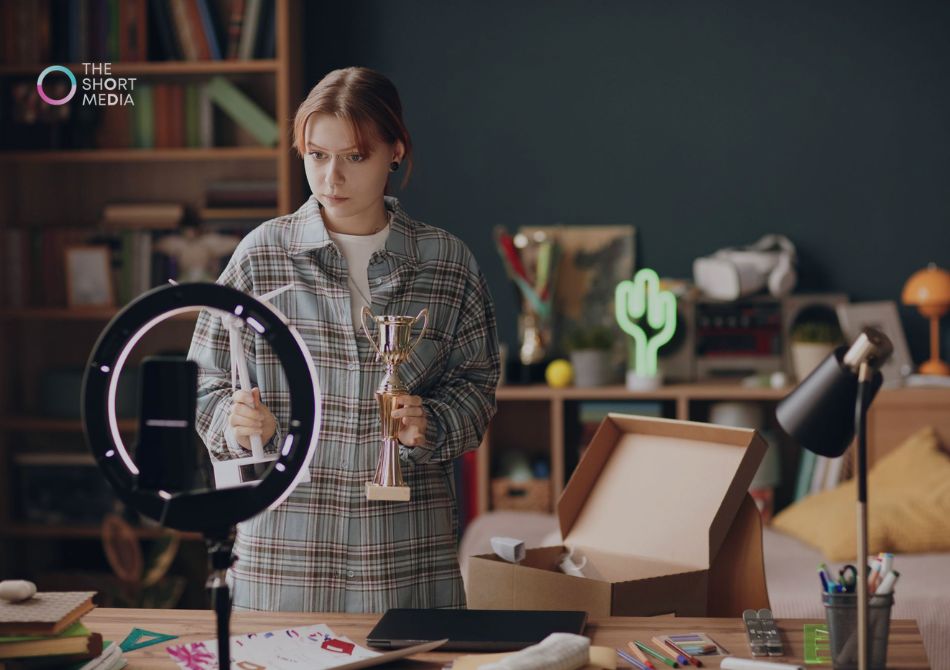
A skincare brand sends over a polished brief. Twelve talking points, three mandatory claims, a hook that sounds like it came from legal, and a request for “raw, authentic content.” You can guess what happens next. The creator reads it a little too cleanly, the comments go quiet, and the brand team wonders why the ad with the expensive set build lost to a 24-second demo filmed next to somebody’s sink in Ohio.
That’s pretty much where a lot of brands still are with creator work. Not clueless, exactly. Just stuck between old campaign habits and the way people actually buy now. By 2026, that gap gets more expensive.
The creator economy isn’t just about paying people with followings to post. It’s become a messy, useful mix of media buying, product feedback, retail support, search behavior, and customer research. If you’re a brand in the USA trying to grow on social, especially on TikTok, you can’t treat creators like optional add-ons anymore.
A TikTok creator agency is starting to look more like an operating partner
A few years ago, brands hired creators for bursts: a launch, a holiday push, maybe a retail moment at Target or Ulta. Now the smarter teams are building creator programs that run all year, because they’ve seen what happens when they stop and restart every six weeks. Performance resets. Learnings disappear. The content gets inconsistent.
That’s one reason a TikTok creator agency has become more valuable. Not because brands can’t find creators on their own, but because managing sourcing, briefs, usage rights, paid amplification, whitelisting, revisions, and reporting across dozens of creators gets messy fast. Especially when your paid social team wants fresh hooks every week and your legal team still needs approvals.
The agencies that matter in 2026 won’t just hand over a spreadsheet of creators. They’ll know which fitness creator can make a protein powder feel credible without sounding like an infomercial, which mom creator can sell a home organization product without making the video look staged, and which beauty creator should not be given a script because she performs better riffing off bullet points.
That last part matters more than people admit. A creator reading every line exactly as written usually tanks the vibe. You can see it in the first two seconds.
TikTok influencer marketing is getting less flashy and more useful
There was a stretch where brands chased creators with big numbers and hoped reach would cover up weak creative. That’s fading. Not completely, but enough that budgets are moving toward creators who can actually drive action.
In practice, TikTok influencer marketing in 2026 looks more like creator portfolios than one-off influencer deals. Brands want a mix: a few recognizable faces, some niche subject-matter creators, some lower-follower UGC-style talent who are excellent on camera, and maybe a local creator if there’s a retail push in specific US markets.
A food brand launching in Kroger stores in the Midwest doesn’t necessarily need one giant national creator. Sometimes three regional creators showing the product in a real grocery haul do more. Same with local services. A med spa in Dallas or a chain of car washes in Florida can get far better traction from creators whose audience actually lives nearby than from a broad lifestyle account with weak local relevance.
That shift also changes how TikTok influencer marketing gets measured. Views still matter, sure. But comments, saves, click behavior, hold rate, and even the language people use in replies often tell you more. I’ve seen comment sections surface objections that the landing page completely missed—shade match confusion for a concealer line, ingredient concerns for a supplement, “does this work on apartment carpet?” for a cleaning gadget sold on Amazon.
That’s not fluff. That’s customer research you can use next week.
Content that feels lightly produced is still winning, but not lazy
Brands keep hearing that TikTok should feel unpolished, and some take that to mean low effort. Not the same thing.
Good creator content often looks casual while being very intentional. The opening line is tested. The demo is tight. The product gets shown early. There’s a reason a kitchen counter video can beat studio footage: the setting helps the product make sense. A frozen snack brand in somebody’s actual freezer. A countertop cleaner used on a real mess, not a fake one on a soundstage. A resistance band demo in a cramped apartment gym corner, not a glossy fitness set.
That’s where TikTok creator services have gotten more sophisticated. The better teams aren’t just matching brands with creators. They’re shaping content systems—brief frameworks, testing angles, creator feedback loops, usage planning, and post-production edits that preserve the creator’s voice.
A lot of TikTok creator services now sit close to paid social because that’s where the spend goes after the first post. Organic posting alone isn’t enough for most brands. If a creator video shows promise, it gets cut into variants, tested with different hooks, maybe recaptioned, maybe paired with Spark Ads. The creator post is the start, not the finish line.
Search behavior on TikTok keeps changing the brief
People don’t just scroll TikTok. They search it like a recommendation engine, especially for beauty, home products, food, and “is this worth it” purchases.
That changes what brands should ask creators to make. Not every piece needs to chase a trend. Some of the most useful creator content in 2026 will be boring in the best possible way: comparisons, tutorials, “I tried this for two weeks,” before-and-after tests, ingredient breakdowns, setup instructions, side-by-side demos.
A TikTok creator agency that understands search behavior will brief differently. Instead of “make it fun and native,” they’ll ask for videos built around real query patterns and objections. For a hair tool: show long hair, short hair, and humid weather results. For an Amazon kitchen gadget: include cleanup time, storage size, and whether it feels flimsy. For a supplement: don’t promise miracles; explain routine and taste because that’s what people ask in comments anyway.
This is where TikTok creator services start overlapping with SEO thinking, just in a much messier format. The point isn’t stuffing phrases into captions. It’s making content that answers the exact thing someone is trying to figure out before they buy.
The creator roster is getting wider, not just bigger
There’s also a quiet shift happening in who gets hired. Brands used to over-index on polished lifestyle creators. Now they’re pulling in estheticians, runners, nurses, dads who review tools in their garage, meal-prep creators, apartment renters, teachers, and women over 50 who can actually speak to a mature skincare customer without sounding like a casting choice.
That’s healthy. It also makes campaigns more believable.
For TikTok influencer marketing, niche authority keeps getting stronger. A creator with 18,000 followers who knows acne-prone skin can outsell a general beauty account with ten times the audience if the product fit is right. Same for home improvement, pet products, postpartum fitness, and specialty food.
This is another area where a TikTok creator agency can save time. Good agencies know that “creator fit” isn’t just demographics. It’s tone, credibility, pacing, and whether the person can make a product feel like part of their life rather than a sudden sponsorship drop.
And yes, brands still join trends too late. It keeps happening. By the time internal approvals clear, the sound is dead and the joke has moved on. Better to build around repeatable content formats than depend on trend timing for everything.
Usage rights, creator licensing, and paid media are no longer side notes
This part is less exciting, but it matters. A lot of creator campaigns still break because the brand didn’t sort out usage terms early enough. They love the video, want to run it in paid, then realize they only bought a single organic post.
In 2026, TikTok creator services need to include rights planning from the start. How long can the brand use the content? Can it be edited? Can it run on TikTok only, or Meta too? Can it go on Amazon PDP video, retail media placements, email, and landing pages?
If your paid team is serious, this isn’t admin. It affects creative output and budget planning.
The same goes for TikTok influencer marketing reporting. Last-click sales data rarely tells the whole story, especially for retail launches or products with longer consideration windows. Brands need a mix of metrics: ad efficiency, engagement quality, creator retention, content output volume, and signals from comments or search lift.
Messy, yes. Still better than pretending a creator campaign either “worked” or “didn’t.”
What brands should actually do next
Not everything needs a giant strategy deck. A few practical moves go a long way.
First, stop treating creator content like a campaign extra. Build a steady pipeline. Even six to ten creator assets a month can teach you more than one oversized launch push.
Second, brief tighter and script less. Give creators the claim guardrails, the product truths, the must-show moments. Then back off a little.
Third, connect your organic, creator, and paid teams. The handoff is where a lot of value gets lost.
Fourth, if you’re working with a TikTok creator agency, ask how they handle iteration, not just sourcing. Creator lists are easy. Systems are harder.
And finally, watch the comments like a hawk. Some of the best messaging fixes come from people telling you exactly why they’re hesitating.
FAQs
1. Do brands still need influencers with huge followings?
Not always. Big creators can help with reach, but plenty of campaigns perform better with mid-sized or niche creators who have stronger audience trust and better product fit. Especially for categories like skincare, supplements, home gadgets, and local services.
2. What’s the difference between creator content and regular brand content?
Creator content usually works because it carries a person’s own delivery style, pacing, and context. Brand content often looks cleaner, but that can also make it easier to ignore on TikTok if it feels too produced.
3. Is a TikTok creator agency worth it for smaller brands?
If you’re only testing with one or two creators, maybe not yet. But once you need consistent output, usage rights, paid amplification, and reporting, the coordination load gets heavy pretty fast.
4. How many creators should a brand work with at once?
Depends on budget and how fast you want to learn. For many DTC brands, starting with 8 to 15 creators in a testing phase gives you enough variation in hooks, audiences, and on-camera styles to spot patterns without creating total chaos.
5. Are trends still important for TikTok influencer marketing?
They matter, just less than people think. A trend can help with packaging and timing, but product-fit content usually has a longer shelf life. A good demo or comparison video can keep working in paid long after a trending sound dies.
6. What should go into a creator brief?Keep it useful: product background, target customer, required claims, visual must-haves, deal breakers, and a few angle suggestions. Don’t write a mini screenplay unless you want the final video to sound weirdly stiff.
7. Can TikTok creator services help with paid ads too?
Usually, yes, if the team knows performance creative. That often means editing creator footage into multiple versions, testing hooks, and planning usage rights so the content can run beyond the original post.
8. How do brands measure creator success if sales don’t happen right away?
Look at more than conversion screenshots. Watch hold rate, click-through rate, saves, comment quality, and whether the content keeps getting selected for paid because it’s holding performance. Retail brands should also pay attention to timing around store launches and regional lift.
9. What kinds of brands are getting the most out of TikTok right now?
Beauty, food, fitness, home, and practical problem-solver products still do well because they demo easily. But honestly, some of the more surprising wins come from “unsexy” categories when the creator makes the use case obvious. A pest control brand, a shower filter, even denture care. If the video feels real, people will watch.