

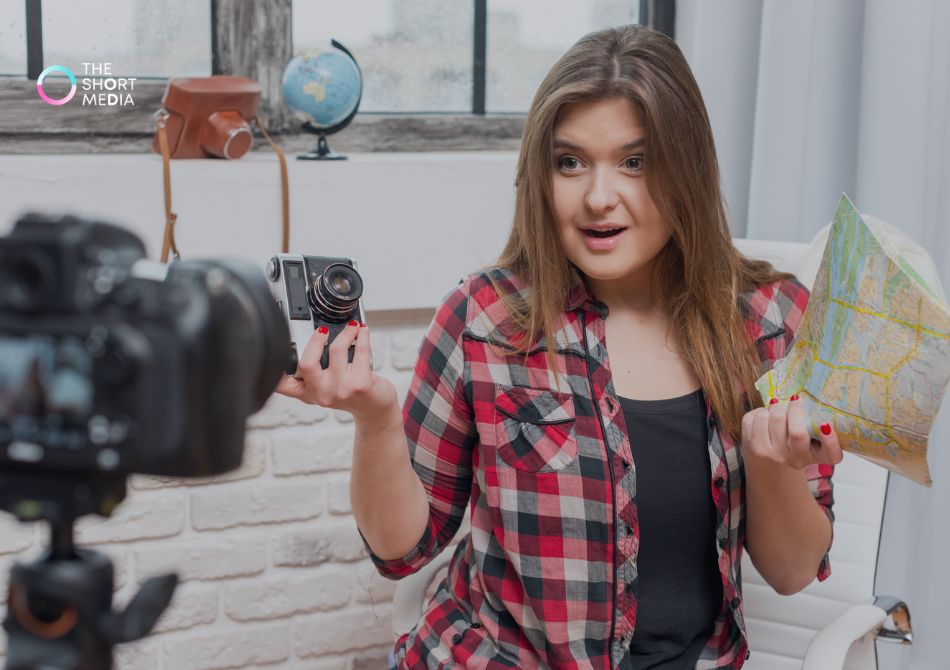
A few months ago, I watched a beauty brand burn through a decent test budget on TikTok with almost nothing to show for it. The creative looked expensive. Clean lighting, polished edit, founder on camera saying all the right things. Too right, honestly. It felt rehearsed. Then they swapped in a rougher product demo filmed on a bathroom counter in New Jersey, with a creator casually showing texture, shade match, and the mess on her sink still in frame. That version pulled stronger click-through, better watch time, and comments full of actual buying questions.
That’s usually where the real targeting starts on TikTok. Not in some magical audience setting. In the way the platform reads behavior around the ad itself.
A lot of marketers still think of TikTok as broad-reach media with younger users and a trend cycle that moves too fast to keep up with. Sometimes that’s true. Sometimes you’re absolutely watching a brand join a sound two weeks too late and wondering who approved it. But if you’ve spent real money in the platform, especially in the U.S. market, you know the more interesting part is how fast it starts sorting intent, interest, and purchase signals when the setup is right.
Why tiktok advertising services matter more than basic media buying
Plenty of brands can launch a campaign. That’s not the hard part. The hard part is building a system where creative, audience inputs, landing page behavior, and conversion events all help the platform find better pockets of buyers over time.
That’s where experienced tiktok advertising services tend to earn their keep. Not because TikTok Ads Manager is impossible to use. It isn’t. But because the platform rewards teams that understand the messy relationship between content and targeting.
On Meta, you can sometimes get away with cleaner segmentation and more traditional audience logic. On TikTok, advertising on tiktok ads often works best when you stop trying to over-control every variable. You give the algorithm enough room, but not so much room that it wanders into low-intent traffic.
That balance takes judgment. And a lot of testing.
Smarter targeting on TikTok doesn’t look like old-school targeting
If you come from older paid social habits, you might be tempted to obsess over interest stacks, demographic slices, and tightly boxed personas. TikTok can use some of that, sure, but the stronger performance usually comes from a combination of broad audience setup and very specific creative signals.
A fitness brand in the U.S. selling walking pads, for example, may think the target is “women 25–44 interested in home workouts.” Fine. But a creator talking about squeezing in 20 minutes between Zoom calls, while showing the pad under a standing desk in a small apartment, gives TikTok much richer context. Suddenly the ad isn’t just about fitness. It’s about remote work, apartment living, low-friction routines, maybe even productivity.
That’s one reason advertising on tiktok ads feels different from buying placements elsewhere. The targeting engine isn’t only reading the audience settings. It’s reading who watches, rewatches, comments, clicks, saves, and eventually converts after seeing a very particular style of message.
And comments matter more than some teams think. I’ve seen comments reveal objections the landing page completely missed. A food brand got hammered with questions about sugar content and serving size, even though the ad was getting decent engagement. Once they adjusted both the creative and product page to answer those concerns early, conversion rate improved. Not overnight, but enough to matter.
Creative is doing half the targeting work
Maybe more than half, if we’re being honest.
The strongest teams using tiktok advertising services don’t separate targeting strategy from creative strategy. They know a script that sounds too polished can confuse the whole system. If a creator reads a brief like they’re trying not to miss a word, performance often drops. Watch time slips. The comments get thin. The audience TikTok finds from that ad tends to be weaker too.
By contrast, advertising on tiktok ads gets sharper when the creative naturally filters people in or out.
Here’s what that can look like:
A beauty ad that calls out the real use case
Not “full coverage for everyone.” More like: this covers redness fast, doesn’t cling to dry patches, and works well if your skin gets weird around the nose by noon. That kind of specificity attracts the right viewer and quietly repels the wrong one.
A home product demo that feels lived-in
A studio shoot can work, but I’ve repeatedly seen kitchen-shot demos outperform cleaner assets for home goods. A storage organizer shown in an actual cluttered pantry in Ohio often lands better than a pristine set. It feels believable. People can picture where it fits.
A local service ad that names the customer’s situation
For a U.S. dental chain or med spa, broad “book now” creative usually isn’t enough. But when the ad speaks to someone comparing costs, worried about downtime, or trying to fit an appointment around school pickup, targeting gets more efficient because engagement gets more qualified.
That’s a big piece of smarter targeting. Better signals in, better audience matching out.
The platform gets smarter when your account setup isn’t sloppy
This part isn’t glamorous, but it matters. A lot.
If you’re serious about advertising on tiktok ads, your pixel or Events API setup can’t be half-finished. I’ve seen brands optimize toward add-to-cart because purchase tracking was unreliable, then wonder why revenue quality looked shaky. TikTok wasn’t “bad at targeting.” The account was feeding it muddy signals.
Same goes for campaign structure. Too many ad groups. Tiny budgets split across too many tests. Conversion windows that don’t match the buying cycle. UTM chaos. It adds up.
Good tiktok advertising services usually clean this up early:
– event tracking tied to actual business goals
– landing pages that match the promise of the ad
– enough budget concentration to let the algorithm learn
– creative testing frameworks that separate hook, offer, and format
– audience exclusions that prevent obvious waste
Not fancy. Just necessary.
What smarter targeting looks like in real U.S. campaigns
For DTC brands, the pattern is usually pretty clear. A product starts with broad prospecting, then creative variations begin pulling in different buyer pockets.
A supplement brand might discover one ad is bringing in cost-conscious Amazon shoppers, while another attracts higher-AOV buyers willing to purchase bundles on the brand site. Same product. Different framing. Different downstream behavior.
For retail launches, advertising on tiktok ads can get more nuanced once you mix store availability into the message. A snack brand launching in Target may find that creator videos mentioning the exact retailer and aisle context perform better than generic awareness clips. People don’t need a cinematic ad. They need enough context to remember it during a normal shopping trip.
For local businesses, the smartest targeting often comes from geographic restraint plus highly practical creative. A HVAC company in Texas doesn’t need to look trendy. It needs an ad that sounds like a real homeowner problem, filmed in a house that looks familiar to the market. Weirdly enough, that often beats the “professional” spot.
Where brands still mess this up
A few repeat mistakes show up all the time.
One, they treat TikTok like television with vertical formatting. Too polished, too slow, too much branding up front.
Two, they assume broad reach means broad messaging. It doesn’t. Specificity helps the system.
Three, they judge advertising on tiktok ads too early. Some ads look chaotic for a couple of days before they settle. Not always, obviously. Some are just bad. But I’ve seen teams kill a useful test before the platform had enough data to sort winners from noise.
Four, they ignore what creators are naturally good at. If someone is great at product storytelling but awkward with hard CTAs, don’t force them into a script built by committee.
And five, they separate paid and organic teams so completely that nobody shares learnings. That’s a waste. Organic comments, retention patterns, and creator style preferences often improve paid performance faster than another targeting tweak.
Advertising on tiktok ads is getting better at reading intent
What’s changed over the last couple of years isn’t just scale. It’s the quality of intent signals TikTok can infer from behavior patterns that look minor on the surface.
A user watches a cleaning product demo twice, reads comments about whether it works on grout, clicks through, bounces, then later converts on a different variation with a stronger before-and-after. That path tells the platform something useful. So does a viewer who skips every generic founder ad but stays for a creator explaining exactly how she uses the product in a cramped apartment kitchen.
This is why tiktok advertising services are increasingly less about “finding the audience” in the old sense and more about building the conditions for the platform to identify the right audience faster.
That includes:
– creative variety without random chaos
– clean conversion signals
– patience during learning
– offers matched to buyer intent
– landing pages that don’t break the momentum
When those pieces line up, advertising on tiktok ads starts feeling less like guesswork and more like pattern recognition at scale.
The brands getting the most from TikTok aren’t the loudest
Usually they’re the ones paying attention.
They notice that a creator’s offhand line about shipping speed drove more comments than the official product claim. They catch that viewers keep asking if the leggings are squat-proof, which means the next ad should answer that in the first five seconds. They realize the ad with the imperfect kitchen lighting is outperforming the glossy cut because it feels like a real person bought the thing and actually uses it.
That’s smarter targeting, really. Not just better audience settings. Better listening.
And that’s why strong tiktok advertising services tend to look a lot like creative strategy, media buying discipline, and customer research mashed together. A little less tidy than some marketers want. But much closer to how the platform actually works.
FAQ
1. Do TikTok ads need a huge budget to target well?
Not really, but they do need enough budget for the algorithm to learn something useful. If you split a small budget across too many ad groups and audiences, you’ll mostly buy confusion.
2. Is broad targeting better than interest targeting on TikTok?
Sometimes, yes. Broad can work surprisingly well when the creative is specific and the conversion tracking is clean. If the creative is vague, broad targeting just gives you vague traffic faster.
3. How long should you let a TikTok ad run before judging it?
Usually longer than impatient teams want to. A couple of days may be enough to spot obvious losers, but some ads need a bit more room, especially if spend is modest. Don’t drag out a bad ad forever, though.
4. What kind of creative helps with smarter targeting?
UGC-style demos, strong hooks, clear product context, and messaging that sounds like a real customer situation. The best-performing ad isn’t always the prettiest one. Honestly, it often isn’t.
5. Can local businesses in the USA use TikTok ads effectively?
Absolutely, if they stop trying to look like national brands. Local service ads tend to work better when they feel grounded in the customer’s actual problem, neighborhood, timing, and price sensitivity.
6. Does TikTok targeting improve if organic content performs well?
It can help, mostly because organic gives you clues. You’ll see which hooks get watch time, which objections show up in comments, and which creators feel believable. That’s useful input for paid, even if organic success doesn’t automatically guarantee ad performance.
7. What’s the biggest mistake brands make with TikTok ads?
Overproducing the creative and underthinking the customer. I’ve seen teams spend weeks polishing edits while missing the fact that half the comments are asking a basic product question the ad never answered.
8. Should brands use creators or make ads in-house?
Usually both. Creators often bring credibility and pacing that in-house teams can’t fake, while internal teams are better at testing offers, claims, and product angles systematically. The mix tends to work better than picking one side and getting stubborn about it.