

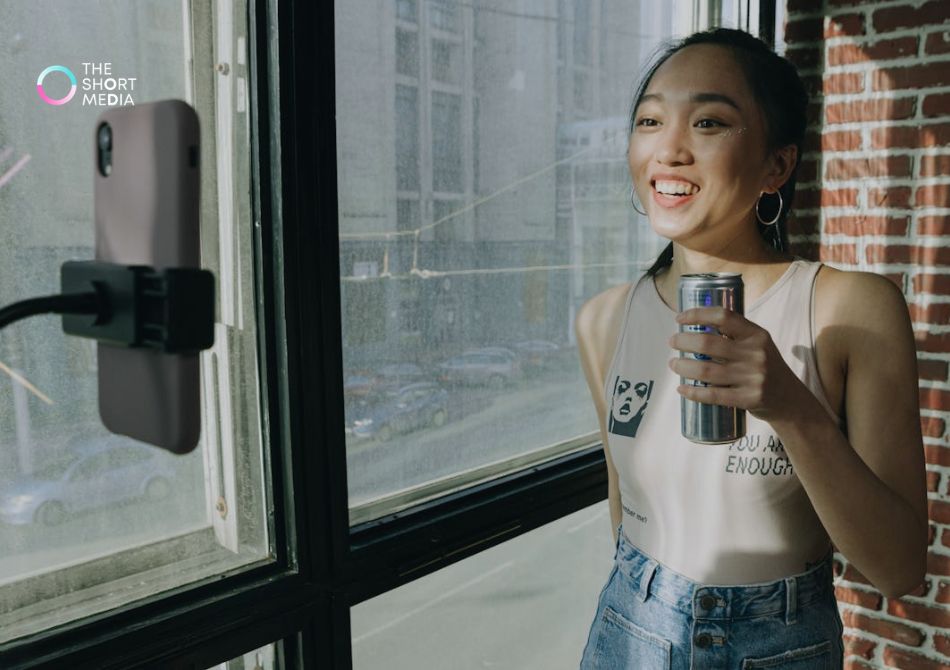
I’ve watched a skincare brand spend $40,000 on polished video production for TikTok and get outperformed by a founder talking into her front-facing camera next to a bathroom sink. Not by a little, either. The expensive edits looked like ads. The sink video felt like a person.
That’s the part some teams still miss. On TikTok, your brand voice isn’t a nice extra sitting in a style guide. It’s the thing people react to before they decide whether the product is worth their time. If the tone feels stiff, over-approved, or weirdly interchangeable with five other brands in the feed, people scroll. Fast.
A lot of marketing on tiktok gets framed as trend participation, creator volume, or media spend efficiency. Those things matter, sure. But if the voice is off, all that activity just makes the mismatch more visible.
Why tiktok brand marketing falls apart when the voice feels borrowed
Some brands show up on TikTok sounding like they were written by legal, performance, and a social intern all editing the same sentence. You can feel it. The caption says “POV,” the creator says “obsessed,” the hook is trying very hard to sound native, and none of it matches how the brand talks anywhere else.
That disconnect hurts more on TikTok than it does on Instagram or YouTube. On Instagram, polished visuals can cover for a vague personality. On TikTok, the camera gets closer. The speaking style matters. Pacing matters. Even the way someone holds up the product matters.
I’ve seen this happen with DTC food brands in the US that wanted to sound “funny and chaotic” because that was working for other accounts. But their actual customer base liked them because they were practical, ingredient-focused, and a little nerdy. Once they stopped chasing someone else’s tone and started filming recipe hacks, pantry comparisons, and founder commentary in a plainspoken voice, watch time improved. Comments got better too. Less “what is this?” and more “okay wait, does this work for kids’ lunches?”
That’s useful feedback. And it usually shows up faster than a brand tracker.
Brand voice on TikTok is less about wording, more about behavior
This is where teams overcomplicate things. They workshop adjectives. Playful. Bold. Relatable. Sharp. Fine. But on TikTok, voice shows up in how the brand behaves on camera.
Do you explain things directly, like a smart friend?
Do you lean into dry humor?
Do you demo products in real homes or overproduce every scene?
Do your creators sound like they actually use the product, or like they memorized a brief ten minutes before filming?
That last one matters more than people want to admit. A creator reading a script too perfectly will tank a decent concept. You can almost hear the approval chain in the cadence.
For tiktok brand marketing, voice has to survive across formats:
– founder videos
– creator whitelisting
– paid social cutdowns
– comment replies
– product demos
– retail launch content
If it only works in one of those, it’s not really a voice yet. It’s a campaign tone.
What good marketing on tiktok sounds like in practice
Not “authentic.” That word has been stretched beyond usefulness.
What works is recognizable texture. A home products brand might be slightly deadpan and practical. A beauty brand might be chatty but specific, with a tone that feels like a smart esthetician rather than a hype machine. A fitness brand might sound disciplined without drifting into drill-sergeant territory.
I worked with a supplement company that kept trying to make every video energetic and punchy. It wasn’t landing. The audience was women in their 30s and 40s who wanted clarity about ingredients, routines, bloating, sleep, all the unglamorous stuff. Once the content shifted into calmer, more matter-of-fact delivery, performance got steadier. Not every video “popped,” but conversion quality improved. Fewer junk comments, more saves, more people clicking through and staying on site.
That’s another thing about marketing on tiktok: the comments often tell you what your landing page forgot to answer. I’ve seen objections around shade matching, shipping times, whether a protein powder tastes chalky, whether a mop head replacement is sold separately. If your voice is too performative, you miss those signals because you’re busy trying to sound current.
Trends help, but late trend-chasing usually makes the voice worse
Every social team has had that meeting. Someone brings a trend audio that peaked nine days ago. The brand wants in. The legal review takes four days. By the time it posts, it feels like a wedding guest arriving after the cake was cut.
That doesn’t mean trends are useless. It means they need to fit the brand’s natural speaking style. If they don’t, skip them.
A regional restaurant chain in the USA can do really well on TikTok without touching half the platform’s trend cycle. Show the lunch rush. Let the manager explain why the fries changed. Film a customer-favorite order at the pass with actual kitchen noise in the background. That’s still marketing on tiktok, and often better than forcing a meme format onto a business that doesn’t wear it well.
Same with Amazon products. Some of the strongest TikTok creative I’ve seen for household items was filmed in kitchens, garages, laundry rooms. Not glossy. Just useful. A storage organizer being installed badly, then corrected, can outperform a perfect setup because it answers the viewer’s real concern: “Will this be annoying to use?”
Paid media exposes weak voice faster than organic does
Organic can sometimes hide inconsistency because the audience is smaller and expectations are softer. Paid spend is less forgiving.
When a brand starts scaling tiktok brand marketing through Spark Ads, creator licensing, or conversion campaigns, weak voice shows up in ugly ways. Thumbstop rate drops. Comments get snarky. The product might still be decent, but the delivery feels off. Too salesy. Too polished. Too much “here are three reasons why.”
I’ve seen beauty launches in Target and Ulta get plenty of reach on TikTok, but the paid creative underperformed because the scripts flattened the personality. The creators all sounded like the same person with different faces. Once the team loosened the briefs and let creators keep their own phrasing, CPA improved. Not magically. Just enough to matter.
That’s usually the tradeoff. Better voice won’t rescue a bad offer. But it does make a good offer easier to hear.
A better way to build voice for marketing on tiktok
You probably don’t need a 40-page voice document. You need a few clear rules that hold up in motion.
Start with how your customer actually talks
Not “Gen Z language.” Not what another brand is doing. Pull comments, DMs, reviews, creator feedback, customer service transcripts. The phrasing is usually sitting there already.
A US beauty brand might notice customers don’t say “radiant finish.” They say “doesn’t make me look greasy by noon.” That difference matters. It changes the whole script.
Decide what your brand would never say
This helps more than picking adjectives. Maybe your brand never sounds smug. Maybe it never overclaims. Maybe it never talks like a parody of internet culture. Good. That narrows things down.
A lot of marketing on tiktok improves when brands stop trying to sound younger and start trying to sound clearer.
Let creators translate, not recite
If you hand creators a polished paragraph and expect it to sound natural, you’re setting them up to fail. Give them message priorities, product facts, and a few phrases that must stay accurate. Then let them talk.
You can tell when someone has been forced to say “you guys” three times because the brief wanted relatability.
Build recurring formats that match the voice
This is underrated in tiktok brand marketing. Recurring formats make the voice easier to recognize.
For example:
– “what customers ask us before buying”
– “founder reacts to comments”
– “three ways we actually use this at home”
– “retail shelf check”
– “why we changed the formula/packaging”
These don’t need huge production. They need consistency. And a point of view.
Voice gets sharper when the brand is willing to sound like itself
That sounds obvious, but it’s where a lot of teams get stuck. They want TikTok results without the discomfort of being specific. So they smooth everything out. The humor gets safer. The founder gets media-trained into blandness. The creator brief gets so tight it squeezes out anything human.
Then they wonder why marketing on tiktok feels expensive.
Some of the strongest accounts I’ve seen aren’t trying to be universally likable. They’re clear. A little opinionated. Helpful without sounding scripted. They know what kind of customer they want, and they’re not making every video for everyone.
That’s usually when tiktok brand marketing starts to click. Not when the brand becomes louder. When it becomes easier to recognize.
FAQ
1. How often should a brand post on TikTok to find its voice?
More often than feels comfortable at first, but not so often that every video sounds rushed. For most brands, 3 to 5 posts a week is enough to notice patterns without flooding the team. The bigger issue usually isn’t volume. It’s posting ten different personalities and calling that testing.
2. Should every TikTok follow trends?
Not really. If a trend bends your tone out of shape, it’s probably not worth it. I’ve seen local service businesses do better with plainspoken before-and-after clips than with trend formats they were never going to pull off.
3. Can a polished brand still do well on TikTok?
Absolutely, but polished can’t mean sterile. A premium home brand can still look elevated while sounding human. Clean visuals are fine. Overwritten scripts are usually the problem.
4. What if the founder hates being on camera?
Then don’t force it. There are other ways to build a voice through employees, creators, customers, or even comment-led video formats. Though, honestly, founder content often works best when it’s a little awkward. Too media-trained and people stop listening.
5. How do you know if the brand voice is off?
Watch the comments and retention together. If people are dropping early, or commenting things like “this feels like an ad” or asking basic questions the video should have answered, something’s not clicking. Sometimes the creative idea is fine and the tone is what’s making it feel fake.
6. Is creator content always better than brand-shot content?
No. Some creator content is flat because the brief is flat. Some in-house content does great because the team understands the customer well and films in real settings. I’ve seen a product demo shot in a messy kitchen beat studio footage by a mile.
7. Does marketing on tiktok need a separate voice from Instagram?
Separate, maybe not. Adapted, yes. The same brand can still be recognizable across channels, but TikTok usually needs looser phrasing, faster clarity, and less brand-speak. Captions that work on Instagram often sound overcooked here.
8. What’s the biggest mistake in tiktok brand marketing right now?
Probably over-controlling creator and paid content at the same time. Brands want native-looking videos, then edit out everything that made the creator sound like themselves. You end up with content that technically checks the boxes and still doesn’t move.
9. Is marketing on tiktok worth it for smaller brands in the USA?
For a lot of them, yes, especially if they sell something visual, demonstrable, or easy to talk about. Beauty, snacks, fitness gear, cleaning tools, local services, all can work. But smaller brands usually do better when they stop trying to look big and start trying to look believable.