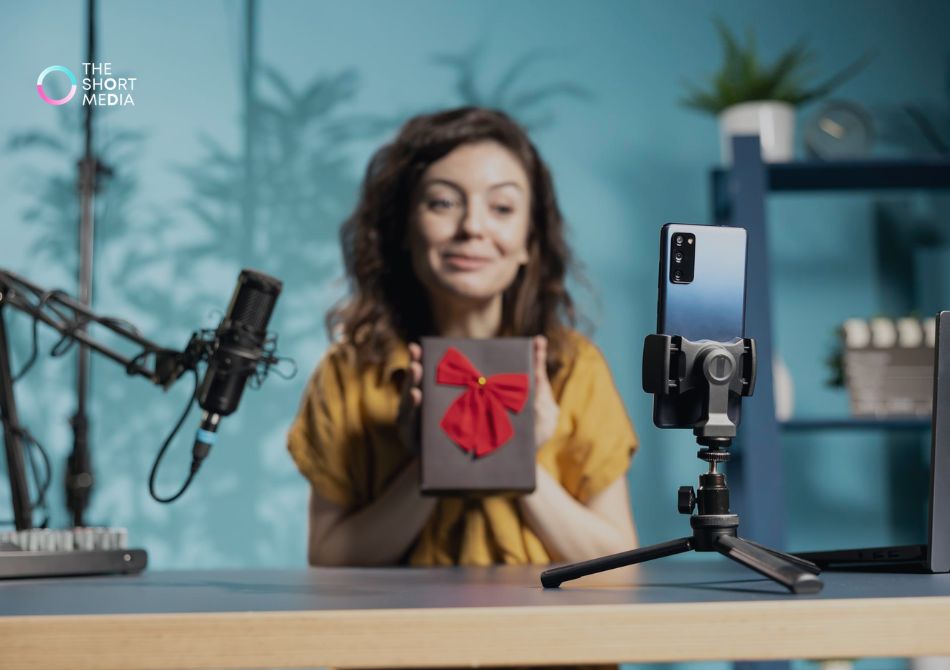
I’ve watched a brand spend $25,000 on a glossy TikTok shoot—studio lights, agency-approved script, color-matched props, the whole thing—only to get outperformed by a creator who filmed a shaky product demo on her kitchen counter before work.
That wasn’t a fluke. It happens a lot.
If you’ve worked anywhere near paid social in the USA over the last few years, you’ve probably seen the same pattern. The content that looks “finished” often gets scrolled past. The stuff that feels like a real person made it, with a little awkwardness left in, tends to hold attention longer. Not always. But often enough that smart teams have stopped treating TikTok like a mini TV commercial channel.
That’s where a good tiktok media agency can be useful—not because they make things prettier, but because they understand what kind of rough edges actually help performance.
The polished ad problem nobody wants to admit
A lot of brand teams still bring old instincts into TikTok. They want perfect framing, tight brand language, clean edits, approved talking points. Legal trims the copy. Creative smooths it out. Someone asks for a stronger CTA. By the time it goes live, it sounds like five people touched it. Because five people did.
Users can feel that immediately.
Not in some abstract “authenticity matters” way. More like: the creator is reading too carefully, the hook feels workshoped, the smile lands half a second too late. You can almost hear the approval chain.
I’ve seen this with beauty brands especially. A founder wants to launch a new serum, so the team builds a polished campaign around ingredients, packaging, premium feel. Nice assets. Then a smaller creator posts, “I thought this would break me out, but it didn’t,” while standing in bad bathroom lighting, and that version drives more comments, saves, and eventually more conversions. Why? Because the objection was real. The setup felt unforced. The comment section did half the selling.
That’s a big part of tiktok digital marketing that people miss: comments are often better research than the original brief.
Raw doesn’t mean lazy
This part gets misunderstood all the time.
Raw content isn’t just low production. It’s content that still feels close to the person making it. There’s a difference. Sloppy content with no angle won’t magically work because it looks casual. TikTok still rewards clarity, pacing, and point of view. It just doesn’t reward over-sanitized brand behavior very often.
A smart tiktok media agency usually knows how to keep content simple without draining the life out of it. That might mean:
– letting creators use their own words instead of a script
– keeping the first take if it sounds more believable
– filming in a car, kitchen, garage gym, or actual job site instead of a polished set
– leaving in a small pause or side comment if it makes the delivery feel human
I worked on a home product launch where the studio version showed the product beautifully. Clean surfaces, nice lighting, tidy family-home vibe. It did fine. The better-performing version was shot by a mom in Arizona with toys on the floor behind her while she showed how fast the thing cleaned up spilled cereal. Not glamorous. Very convincing.
That’s tiktok digital marketing in real life. Less “brand story,” more “here’s what happened in my house this morning.”
TikTok is built for participation, not presentation
This is where a lot of campaigns go sideways. Teams think they’re publishing a message. On TikTok, you’re really entering a stream of behavior.
People aren’t opening the app hoping to admire polished brand craft. They’re moving fast, deciding fast, reacting fast. Content has to feel like it belongs there. If it looks too much like an ad, users often decide that in a split second and move on.
That doesn’t mean ads can’t work. They can. Paid spend absolutely matters in tiktok digital marketing. But the creative usually works better when it feels native to the feed. A protein powder brand talking through clumpy mixing issues in a real kitchen often beats the dramatic fitness montage. A local med spa in Texas showing a front-desk staffer explaining what lip filler swelling looks like on day two can pull stronger engagement than a polished promo reel. Specific beats polished all the time.
And when a brand joins a trend two weeks too late? You can feel that too. It’s painful, honestly. The comments get weird fast.
What raw content does better than polished campaigns
Raw content tends to do a few things that polished campaigns struggle with.
First, it creates less distance. A creator speaking casually into the front camera feels easier to believe than a heavily lit brand spokesperson. Not because people are naive. Because the format feels familiar.
Second, it surfaces objections faster. In tiktok digital marketing, some of the best-performing videos start with mild skepticism. “I didn’t think this pan was actually nonstick.” “I was sure this posture corrector would be annoying.” “I hate most protein bars, but this one’s decent.” That tone works because it sounds like a real buying thought, not a campaign line.
Third, it gives the algorithm more useful behavioral signals. If viewers stop, watch, comment, stitch, or argue in the comments, TikTok has something to work with. A polished brand video might be visually impressive and still not trigger much response.
I’ve also seen Amazon-focused brands in the US learn this the hard way. They’ll launch with sleek product videos that look like marketplace ads, then wonder why they stall. Then someone posts a simple “three things I didn’t expect about this under-sink organizer” clip, filmed one-handed in a cramped apartment kitchen, and suddenly sales move.
That’s not magic. It’s just closer to how people actually shop.
Where a tiktok media agency actually helps
A strong tiktok media agency shouldn’t be trying to make everything look expensive. They should be helping brands build a repeatable system for testing content that feels native.
That usually means a few practical things:
Creator briefs that don’t strangle the creator
If the brief reads like legal copy, the video will sound like legal copy. Better briefs give creators a problem to talk about, a few proof points, and room to phrase things naturally.
A creator reading a script too perfectly is usually a bad sign. You want some friction. A little realness.
Faster testing cycles
Good tiktok digital marketing is messy in the middle. You test hooks, angles, offers, objections, demos, comment responses. You don’t spend three weeks polishing one concept that might miss the mood entirely.
For a DTC snack brand, that might mean testing “late-night craving” against “high-protein office snack” against “my kid stole these from the pantry.” Different audience entry points, same product.
Organic signals informing paid
This matters more than some teams want to hear. If an organic post gets unusual watch time or comment quality, that’s often a clue. Not every organic hit becomes a winning ad, but it’s a better starting point than a boardroom guess.
A solid tiktok media agency will look at those signals before forcing a campaign concept that already feels stale.
Raw content still needs standards
There’s a bad trend where teams hear “raw” and decide quality no longer matters. That’s not right either.
You still need a clear hook. You still need decent audio. You still need to show the product in a way that answers obvious questions. If you’re selling a food item, people want texture. If it’s fitness gear, they want to see setup and actual use. If it’s a local service, they want proof that a real person will show up and do the job well.
Good tiktok digital marketing isn’t anti-production. It’s anti-overproduction.
That’s a useful distinction. Especially for retail launches and US consumer brands that are used to campaign planning months ahead. TikTok usually rewards teams that can react faster than that. Not recklessly. Just faster.
The brands that get this tend to loosen their grip
The shift is less about aesthetics and more about control.
Brands that do well on TikTok usually stop trying to control every word, every frame, every expression. They get more comfortable with creators sounding like themselves. They accept that a product demo filmed on a cluttered counter might outperform the hero asset. They pay attention when comments reveal a sales objection the landing page completely missed.
That’s really the work. Listening, testing, adjusting.
A tiktok media agency can help if they understand that TikTok isn’t asking brands to be sloppy. It’s asking them to stop sanding off every human detail.
And if you’re serious about tiktok digital marketing, that’s probably the biggest mindset shift to make. Not prettier. Not louder. Just more believable.
FAQ
1. Why does raw content usually perform better on TikTok?
Because it feels like it belongs in the feed. People are used to seeing quick opinions, demos, reactions, and everyday footage there, so polished brand content can feel out of place before anyone even hears the message.
2. Does that mean brands should stop investing in production?
Not really. Production still matters when it helps the viewer understand the product better. Just don’t confuse “expensive” with “effective.” Clean audio and a strong opening matter more than a cinematic lighting setup for most TikTok ads.
3. Can polished content ever work on TikTok?
Sure. Especially in fashion, luxury beauty, or bigger retail launches where visual identity matters. But even then, the content usually works better when it keeps some personality. If it looks like a repurposed commercial, performance can get rough.
4. How many creators should a brand test with?
A single creator can give you a false read because tone, audience fit, and delivery style vary a lot. For most brands, testing 10 to 20 pieces across a few creator types gives you a much better sense of what’s actually working.
5.What should go into a TikTok creator brief?
Keep it tighter than most teams want to. Include the product truth, the audience problem, any claims that must be accurate, and a few examples of angles that have worked. Don’t write every line for them unless you want the video to sound weirdly stiff.
6. Is organic posting still important if we’re mostly running paid?
Yes, especially for creative learning. Organic posts can show you which hooks get attention, what objections come up in comments, and which product use cases people care about. That’s useful before you put real budget behind a concept.
7. What kinds of US brands tend to do well with this approach?
Beauty, food, home products, supplements, fitness gear, local services, and plenty of Amazon-first brands. Basically anything that benefits from a quick demo, a before-and-after, or a creator explaining what happened after trying it for a week.
8. Should brands chase trends to look native?
Only if the trend actually fits the product and you can move quickly. Forcing a trend usually looks awkward, and jumping in late is worse. Honestly, a simple product truth told well often beats trend-chasing anyway.
9. When should a company hire a tiktok media agency?
Usually when internal teams are stuck between brand rules and platform reality. A good partner can help set up creator testing, paid creative iteration, and reporting that goes beyond vanity metrics. If they’re just pitching polished concepts with TikTok fonts slapped on top, keep looking.