

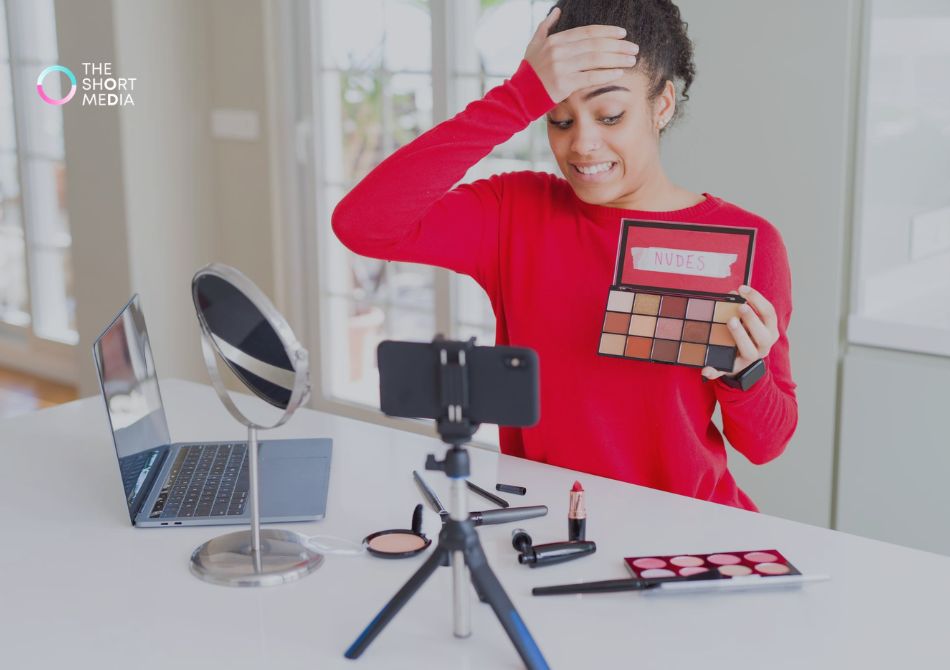
A few months ago, I watched a mid-sized beauty brand do something very unglamorous on TikTok Live: a founder stood at a folding table, swatching three shades of a cream blush under bad warehouse lighting while someone off camera read questions from the comments. It wasn’t slick. The mic peaked. A viewer asked if the formula would separate on oily skin, and instead of dodging it, they answered plainly and showed the texture on camera.
That Live sold more than one of their polished launch-day ad sets.
That’s the part a lot of brands still miss. They treat TikTok like a place for edited clips, trend-hopping, and maybe some paid media if the CPMs look decent. But Live is where hesitation gets handled in real time. And in the US market, where shoppers are already used to impulse buys, creator recommendations, and second-screen shopping behavior, that matters more than people think.
If you work with ecommerce, retail launches, Amazon products, beauty, food, or even local service offers, TikTok Live can be a revenue channel. Not just an engagement play. Not just “awareness.”
TikTok Live works when it feels a little unfinished
The brands that struggle most are usually the ones trying too hard to make Live look like a commercial. Perfect lighting, stiff host, over-rehearsed talking points. You can almost feel the comments go quiet.
A creator reading a script too perfectly is usually a bad sign. Same with a brand team trying to copy a format they saw from another account two weeks after the trend peaked. On Live, viewers can tell when something is over-managed. They leave fast.
The better-performing streams usually have a bit of movement to them. A kitchen demo for a snack brand. A hairstylist showing exactly how much product she uses on humid Florida mornings. A home goods brand unpacking a restock and answering shipping questions as they go. Messy, but useful.
That usefulness is what turns viewers into buyers.
When people run ads on tiktok, they often focus on the first click. On Live, the sale can happen because someone stayed six extra minutes and finally got the answer they needed. Does it stain? Is it machine washable? Will it fit in an apartment entryway? That stuff.
Where the revenue actually comes from
There’s a tendency to talk about TikTok e commerce like it all happens from one viral moment. In practice, US brands usually see revenue from a few different Live behaviors working together.
Real-time objection handling
This is the biggest one. Comments reveal what the product page missed.
I’ve seen a fitness brand spend weeks refining a landing page headline, only to learn during a Live that buyers were mostly worried about whether resistance bands rolled up during leg work. Not the copy. Not the offer. The bands rolling up.
That kind of objection is gold because you can answer it on camera, clip the response later, and feed it back into creative. It also helps when you run ads on tiktok, because your ad messaging gets sharper after a few Lives.
Urgency that doesn’t feel fake
A lot of ecommerce urgency is tired. Countdown timers, low-stock banners, pop-ups that scream at you. On TikTok Live, urgency can feel more believable because people are watching inventory move, hearing about a bundle that’s only active during the stream, or seeing a founder throw in a bonus for the next 20 orders.
When it’s done well, it feels more like a store event than a pressure tactic.
Beauty brands in the US have been especially good at this. Limited shade drops, exclusive sets, launch-night bundles. But I’ve also seen food brands do it with flavor packs and kitchen tools, and smaller home product companies use Live to move seasonal inventory that had been sitting.
Hosts who can actually sell
Not every creator is good at Live selling. Some are great in edited content and fall apart once they have to fill dead air, answer practical questions, and keep people watching for 20 minutes.
That’s why a lot of tiktok ads services now include creator sourcing for Live hosts, not just UGC production. It’s a different skill set. You want someone who can demo naturally, repeat key points without sounding robotic, and pivot when comments go sideways.
A good host can save mediocre production. A bad host can ruin expensive setup in about three minutes.
The brands getting the most out of it aren’t treating Live as a side project
This is where things get more serious. The US brands seeing actual revenue from TikTok Live usually build a system around it.
Not huge. Just consistent.
They know:
– what product angle they’re pushing that week
– which creator or internal host is going live
– what promo is exclusive to the stream
– how they’ll retarget viewers afterward
– which clips from the Live can be reused when they run ads on tiktok
That last part matters a lot. Live shouldn’t sit in a silo. Some of the strongest paid social creative comes from clipped Live moments because the proof feels immediate. A customer asks if the self-tanner transfers to sheets, the host rubs a white towel on skin, and now you’ve got a better ad than the polished studio version you paid far too much for.
That’s also why good tiktok ads services don’t just launch campaigns and call it a day. They connect Live, Spark Ads, creator content, retargeting, and product page learnings. If your team is trying to run ads on tiktok without feeding in what happens during Live, you’re probably missing the easiest creative insights on the platform.
Why TikTok Live fits the US market so well
American shoppers are used to buying while distracted. During a game, while half-watching Netflix, in line at Target, during lunch breaks. TikTok Live fits that behavior better than a lot of brands want to admit.
It also works across categories that don’t seem obvious at first.
Beauty and personal care
This one’s straightforward. Shade matching, tutorials, ingredient questions, wear tests. A founder or creator can do more in 15 minutes on Live than a product detail page can do in a week.
Food and beverage
A snack brand sampling flavors on camera, a sauce company showing three quick dinner uses, a supplement brand explaining texture and taste without sounding clinical. I’ve seen a simple kitchen demo outperform glossy food content because it answered what people actually wanted to know: “Okay, but what does it look like when a normal person makes it?”
Home and practical products
Storage bins, cleaning tools, bedding, organizers, kitchen gadgets. These do surprisingly well when someone just demonstrates the thing in a real home. Not a perfect set. A real kitchen with bad overhead light and a crowded drawer. That’s often enough.
Local services and offers
This is less common, but it can work. Med spas, fitness studios, cosmetic dentists, even local home service businesses can use Live for Q&A, promos, tours, or seasonal offers. Then they run ads on tiktok using the strongest clips to reach nearby audiences.
You probably don’t need a huge audience
This is another sticking point. Brands assume Live only works if they already have a massive following. Not really.
You need the right setup more than a giant audience:
a product people can understand quickly, a host who doesn’t freeze, an offer worth mentioning, and a plan to push traffic into the Live.
That traffic push often comes from paid support. Many tiktok ads services will recommend boosting top-performing short videos before a scheduled Live or retargeting engagers with reminders. Some brands run ads on tiktok specifically to warm up viewers before a launch stream. That’s smarter than hoping the algorithm magically assembles buyers for you.
And if you sell on TikTok Shop or have a strong ecommerce funnel behind it, even a modest Live can be profitable. Especially if the average order value climbs through bundles.
What goes wrong, usually
Honestly, a lot.
Some brands go live with no real offer and wonder why viewers leave. Others over-script the host until they sound like a customer service chatbot. Some stream for an hour when they really had 18 minutes of useful material. Some ignore the comments that contain the exact reasons people aren’t buying.
A common one: treating every Live like a launch event. That gets old fast. Sometimes the stream should just be a practical demo, a restock update, or a side-by-side comparison.
Another issue is not measuring beyond vanity metrics. If your team only reports peak viewers and likes, you’re missing the point. The better questions are: what objections came up, what products held attention, what clips can support paid, and how many viewers later converted after you run ads on tiktok to retarget them?
That’s where stronger tiktok ads services earn their keep, honestly. Not by making dashboards look pretty, but by turning messy Live behavior into a tighter sales system.
TikTok ads services matter more when Live enters the mix
Plenty of brands can post organically and occasionally go live. Fewer know how to build the paid layer around it.
The useful tiktok ads services are the ones that understand Live as part of the funnel, not a separate experiment. They help brands run ads on tiktok before the event, during the broader campaign window, and after the stream using clips, testimonials, FAQs, and offer-based retargeting. They also know when a product simply isn’t a fit for Live yet, which is a conversation more agencies should have.
Because not every brand needs a huge Live strategy. But if you’ve got a demonstrable product, active comments, and enough margin to support creator or media spend, it’s worth testing seriously.
Not casually. Seriously.
FAQ
1. How long should a TikTok Live be for a brand?
Usually 20 to 45 minutes is enough. If you only have one product and three talking points, don’t drag it to an hour. People can tell when you’re stretching.
2. Do you need TikTok Shop to make Live work?
It helps, especially for frictionless purchases, but it’s not the only path. Brands also drive traffic to ecommerce sites, Amazon listings, or local booking pages. The setup just has to be clean.
3. Is TikTok Live only useful for beauty brands?
No, but beauty definitely has an easier start because demos are built into the category. Home products, snacks, wellness, pet products, and even some local service offers can work if the host is showing something useful instead of just talking at the camera.
4. Should the host be a creator or someone from the brand?
Depends on the product and how comfortable your team is on camera. Founders can do well when they know the product deeply and don’t overperform. Creators tend to be better at pacing and audience retention.
5. What kind of offer works best during Live?
Bundles, limited-time add-ons, launch pricing, and gifts with purchase usually beat vague “shop now” prompts. Keep it simple enough that a distracted viewer understands it immediately.
6. Can smaller brands run ads on tiktok and still use Live effectively?
They can, especially if they focus on one hero product. You don’t need a giant budget. You do need decent creative, a clear stream plan, and follow-up retargeting so the Live isn’t a one-off.
7. How often should a brand go live?
Weekly is a solid starting point if you have enough product angles to rotate through. Twice a month can still work. Random, inconsistent Lives tend to underperform unless there’s a very strong promo attached.
8. What should brands measure besides views?
Watch time, click-throughs, assisted conversions, comment themes, save-worthy clips, and post-Live retargeting performance. Also, pay attention to the questions people keep repeating. That’s usually where the money is.
9. Are tiktok ads services necessary for every brand using Live?
Not every brand, no. But once you’re spending consistently, clipping content for paid, and trying to scale what works, outside help can make things less chaotic. Or at least less chaotic in the expensive ways.