
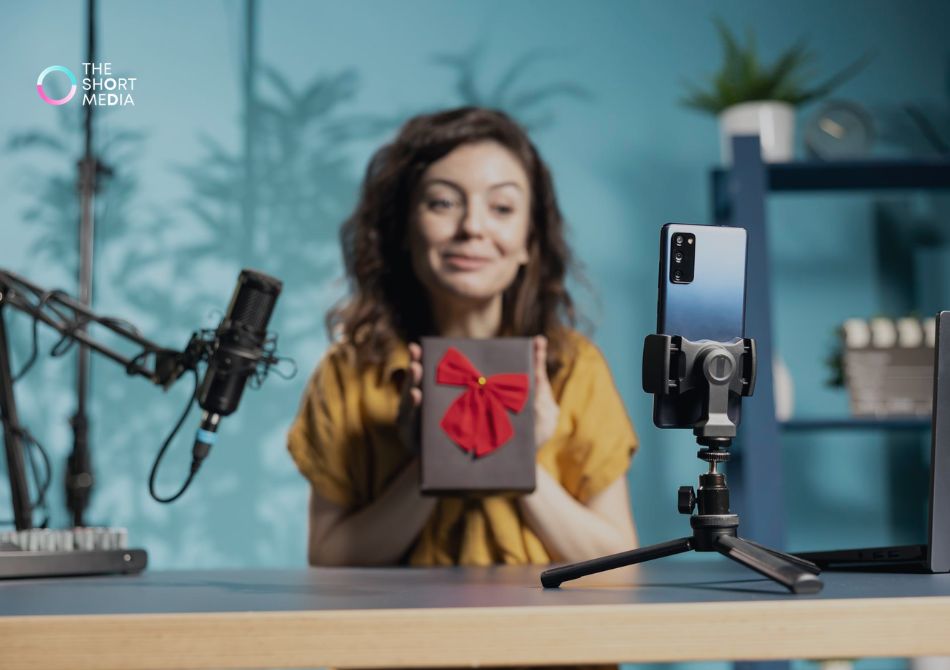
A few months ago, I watched a skincare brand spend weeks polishing a glossy campaign for TikTok. Clean lighting, expensive set, every line approved by three people. It looked fine. Maybe too fine. Meanwhile, a scrappy product demo filmed by the founder in her bathroom — slightly awkward, not perfectly framed, very normal — pulled stronger watch time, better comments, and more saves in two days than the “hero” content did in two weeks.
That’s TikTok for you. It doesn’t reward polish on its own. It rewards relevance, timing, and creative that feels like it belongs in-feed. And for UK brands trying to scale, that’s usually where things get messy. Organic content is inconsistent, paid ads feel disconnected from what’s happening on the account, and internal teams often treat TikTok like a trimmed-down version of Meta. It isn’t.
That’s where a TikTok Growth Agency can actually earn its keep — not by posting random trends or burning budget on broad targeting, but by building a system where content, creators, media buying, and feedback from the comments all work together.
What a TikTok Growth Agency should actually be doing
A decent TikTok Growth Agency isn’t just there to “make videos go viral.” If that’s the pitch, I’d be wary already.
The real job is more practical than that. It’s figuring out what kind of content gets attention from the right people, what turns that attention into action, and how to keep feeding the account and ad pipeline without the whole thing becoming repetitive by week three.
For UK brands, there’s another layer. Tone matters. References matter. Even pacing can matter. A US-style hard sell often lands badly with British audiences, especially in categories like home products, personal care, or local services. I’ve seen ads that performed well in the States come over to the UK and feel weirdly loud. Not offensive. Just off.
A strong agency should be balancing:
- organic content strategy
- creator sourcing and briefing
- paid testing and scaling
- landing page feedback
- comment mining
- reporting that goes beyond vanity metrics
That last one matters more than people admit. If your agency keeps celebrating views while your CPA is drifting up and the comments are full of objections nobody has answered, something’s broken.
Organic isn’t just “posting more”
A lot of brands come looking for tiktok marketing services because they’ve already tried doing it in-house. Usually it starts with good intentions. Someone on the social team posts three times a week, a couple of videos do alright, then momentum falls off because no one really knows what to repeat.
Organic TikTok growth tends to come from pattern recognition, not inspiration.
You start noticing that a product demo filmed in a kitchen beats the studio version. Or that a hook framed around a small annoyance — “why does every water bottle leak in my gym bag?” — pulls stronger retention than a broad benefits-led opener. Or that comments keep asking the same thing your product page barely mentions.
That’s useful. Very useful, actually.
Good tiktok marketing services should turn those signals into an ongoing content engine. Not just trend-chasing. Not just copying what another brand did last month. I’ve seen brands jump on a trend two weeks too late, with legal-approved captions and perfectly timed cuts, and it still felt dead on arrival because the moment had passed.
For UK brands, organic also helps with localisation in a way ad accounts alone can’t. You can test language, offers, creator styles, and product angles cheaply before pushing spend behind them.
Paid TikTok works better when it’s fed properly
Here’s where many teams get frustrated. They invest in tiktok promotion services, launch ads, and expect the media buyer to solve a creative problem with targeting.
That rarely ends well.
If the content doesn’t feel native, if the first two seconds are flat, if the creator sounds like they’re reading from a script they’ve never said out loud before — people scroll. Fast. And TikTok gives you that feedback immediately, sometimes a bit brutally.
The paid side works when it’s treated like an extension of content strategy, not a separate department. A lot of the best-performing ad accounts I’ve seen are built on a simple loop:
Organic posts identify promising hooks.
Creators remake those hooks with slight variations.
Paid spend tests them quickly.
Comments and click behaviour shape the next batch.
That’s the sort of work tiktok promotion services should be doing. Not just setting campaigns live and sending over a dashboard every Friday.
For example, a fitness brand might find that “what I eat before a 6am class” content drives stronger engagement than generic supplement claims. A paid team can then test that angle through creator-led Spark Ads, rather than forcing a direct-response script that feels like every other ad in the feed.
Same with food brands. I’ve seen a frozen snack product get more traction from a slightly messy air fryer demo than from a sleek tabletop video. Not because low production is magically better, but because the use case was obvious in half a second.
Why creators matter more than most brands expect
A lot of tiktok marketing services now include creator sourcing, and honestly, they should. TikTok creative often works better when the brand isn’t the one doing all the talking.
That doesn’t mean hiring the biggest names. Usually that’s a waste of money unless you need reach for a retail launch or wider awareness push. More often, you want creators who can make a product feel easy to understand in their own style.
The catch is in the briefing.
If the script is too tight, the video dies. You can hear it. The creator pauses in odd places, over-pronounces the product name, smiles at the wrong moment. Everyone on the brand side thinks the messaging is “clear,” but the audience just sees an ad trying very hard to act casual.
A good TikTok Growth Agency knows how to brief for structure without draining the life out of the content. Give the creator the product truth, the objection to address, maybe the CTA — then let them phrase things like a person.
That’s especially helpful for categories like beauty, home gadgets, Amazon products, and DTC launches where demonstration does a lot of the selling.
The UK angle: not everything should be imported from the US playbook
Some tiktok promotion services are built around US creative norms and just apply them everywhere. That can work in some niches. It can also miss the room completely.
UK audiences often respond better to understatement, drier humour, and less aggressive selling. A cleaning product ad that plays brilliantly in the US with a big reaction and punchy claim might perform better in the UK with a more matter-of-fact demo and a slightly self-aware tone.
This sounds subtle because it is subtle. But subtle things affect performance.
A TikTok Growth Agency working with UK brands should understand regional creators, local slang without forcing it, and the difference between sounding native and sounding like a brand trying too hard to sound native. There’s a gap there. People notice.
What to look for in tiktok marketing services
Not every agency offering tiktok marketing services is set up to scale both organic and paid. Some are basically content shops. Some are media buyers with a few UGC freelancers attached. You want a team that can connect the dots.
A few signs they probably know what they’re doing:
They talk about creative fatigue early
If they only show you one winning ad, ask what happened in week four. TikTok performance changes quickly, and good teams plan for replacement creative before results dip.
They pay attention to comments
Comments are where objections show up first. Price confusion, sizing issues, delivery worries, skepticism. I’ve seen comments reveal gaps that the landing page team completely missed.
Their reporting includes creative insights
Not just spend, ROAS, and CPM. Which hooks held attention? Which creator styles pulled stronger CVR? Which offers brought clicks but poor checkout completion?
They’re honest about volume
You usually need more creative than you think. Especially if you’re using tiktok promotion services seriously and not just testing with a few hundred pounds.
Scaling without making the account feel like an ad machine
This is the balancing act. Brands want growth, but if every post starts sounding like a conversion play, the account gets stale fast.
The better agencies keep some looseness in the mix. Community-style posts. Reactive content. Founder clips. Product comparisons. Customer comment replies. Not every video needs to sell immediately. Some just need to make the next one easier to watch.
That’s where a TikTok Growth Agency can be useful beyond campaign management. They help the brand stay active in the culture of the platform while still building a commercial engine behind it.
And yes, that takes more work than posting trends and boosting the nicest-looking video. But that approach usually burns out anyway.
FAQs
1. How long does TikTok growth usually take for a UK brand?
Organic traction can show up quickly, sometimes within a few weeks, but consistent growth usually takes longer than people hope. Paid can accelerate things, though only if the creative is strong enough to support spend. If the content’s weak, you just pay to find that out faster.
2. Do small brands need both organic and paid?
Not always on day one. A smaller brand can learn a lot from organic before spending heavily. But if you’ve already found a few angles that clearly resonate, paid helps you stop guessing and start scaling.
3. Are tiktok promotion services worth it for ecommerce?
They can be, especially for products that are easy to demonstrate or explain visually. Beauty, food, home organisation, fitness accessories — these categories often have a clear content path. Harder sells still work, but they usually need better hooks and more testing.
4. What’s the difference between tiktok marketing services and influencer marketing?
There’s overlap, but they’re not the same thing. Influencer marketing often focuses on reach through a creator’s audience. tiktok marketing services should also cover strategy, creative testing, account growth, paid distribution, and performance analysis.
5. Should brands use polished studio content on TikTok?
Sometimes, but it depends what role it’s playing. Studio content can work for product clarity or launch moments. For day-to-day performance, slightly more natural footage often does better because it feels less staged. Annoying answer, I know, but true.