
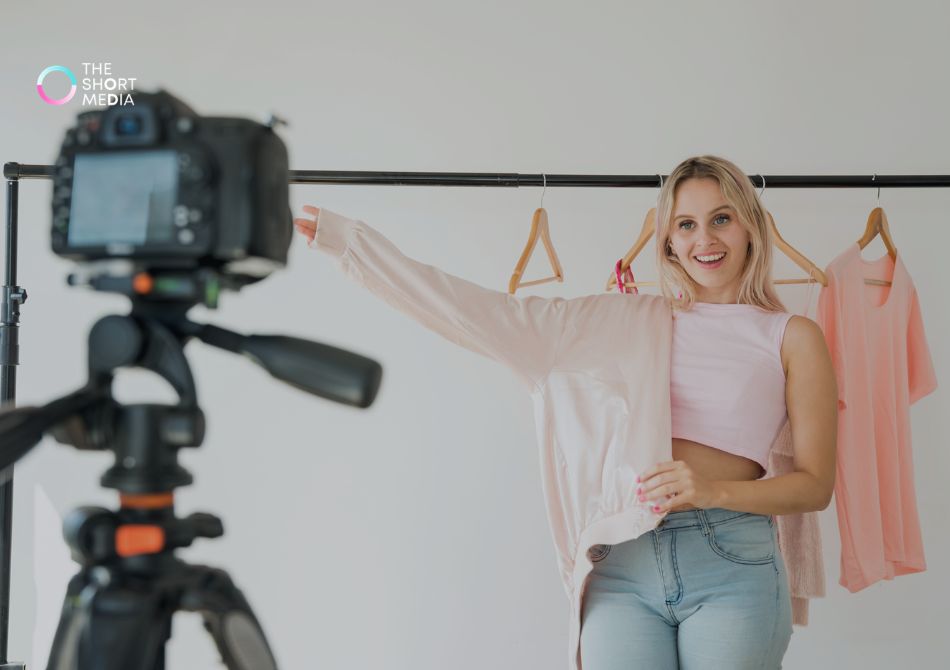
I’ve sat in enough launch meetings to know the pattern. The fashion team spends weeks on a campaign shoot, everything looks expensive, the edit is clean, the lighting is perfect — and then a creator posts a slightly chaotic “get dressed with me” in bad apartment lighting and outsells the hero video by a mile.
That’s not a knock on brand craft. It’s just where we are.
Fashion has always depended on taste, timing, and social proof. What’s changed is the speed of it, and the kind of content that actually moves someone from “that’s nice” to “I want that exact jacket.” TikTok didn’t invent fashion influence, but it did mess with the old hierarchy. Editorial polish still matters. Big campaigns still matter. But now they’re sharing the stage with try-ons filmed in bedrooms, last-minute styling clips, creator hauls, shop-floor videos, and comment sections that tell you, very bluntly, why people aren’t buying.
That’s where tiktok brand marketing gets interesting for fashion. Not in theory. In the messy day-to-day reality of launches, restocks, creator briefs, and products that suddenly take off because one person styled them in a way the brand team didn’t.
Fashion discovery looks a lot less controlled now
A few years ago, a fashion brand could plan discovery in a fairly tidy way: campaign imagery, retail placement, influencer seeding, email, maybe some paid social support. Now a lot of discovery starts in fragments.
Someone sees a creator wearing wide-leg trousers in a “what I wore this week” post. Then another video explains how the fit compares to Zara. Then a comment says the fabric is surprisingly thick. Then a third person styles the same trousers for work. By the time that shopper visits the site, they don’t feel like they’re discovering the item. They feel like they’ve already researched it.
That’s a big shift. Fashion marketers aren’t just selling aspiration anymore. They’re selling proof. Fit proof, styling proof, occasion proof.
This is why tiktok influencer marketing has become so central for apparel, footwear, accessories, even resale and rental brands. The strongest creator content often answers the questions a product page avoids or buries: Is it see-through? Does it cling? Does it work on a fuller bust? Is the “oversized” fit actually oversized, or just one inch wider than standard?
I’ve seen comment sections do more product positioning work than a landing page. Not always kindly, either.
The brands winning on TikTok don’t act like magazine editors
Some fashion teams still treat TikTok like a distribution channel for campaign assets. You can feel it immediately. The captions are stiff, the music is late, the model looks amazing but the video says almost nothing, and the whole thing lands with that polite silence brands hate.
Meanwhile, a smaller DTC label posts a founder packing orders, a fit check on three body types, and a quick clip explaining why they changed the inseam after customer feedback. That tends to travel better because it gives people something useful, not just something pretty.
Good tiktok brand marketing in fashion usually has a point of view. It knows whether it’s trying to sell styling versatility, quality, trend relevance, or value. Not all four at once.
A US beauty brand can get away with a straightforward demo because the payoff is immediate. Fashion is trickier. A dress doesn’t sell because it exists in a clean frame. It sells when someone can picture where they’d wear it, what shoes go with it, and whether it’ll make them tug at the hem all night.
That’s why some of the best-performing fashion content is oddly practical. “Three ways to style one skirt.” “What this looks like on 5’2”.” “Office outfit that doesn’t feel corporate.” Slightly unglamorous, maybe. Effective, though.
TikTok Shop is making impulse fashion buys much easier
Fashion marketers used to have a bit more distance between content and checkout. Now TikTok Shop has shortened that gap in a way that’s hard to ignore.
For lower-priced accessories, basics, beauty-adjacent fashion items, and trend-led pieces, TikTok Shop can work almost too well. A creator posts a cardigan, tags the product, and if the video has enough momentum, shoppers don’t need to leave the app to think too hard about it. That matters for categories where hesitation kills conversion.
But TikTok Shop also exposes weak products fast. If sizing is inconsistent or the fabric disappoints, returns and comments show up quickly. Fashion doesn’t get the same grace period some novelty products do. If a pair of trousers arrives looking nothing like the video, people will say so. Publicly.
For brands in the UK watching US fashion sellers test TikTok Shop, there’s a useful lesson there: don’t treat it as just another sales plug-in. It works best when the product is easy to understand, easy to demonstrate, and unlikely to create fit confusion. Accessories, shapewear, lounge sets, socks, jewellery, bags — often easier. Tailored trousers? Structured blazers? A bit riskier unless the content really handles objections.
Creator content is doing the job campaign shoots can’t
This is where tiktok influencer marketing earns its keep.
A polished campaign might establish the mood of a collection. Fine. But creators often do the heavier lifting when it comes to conversion. They show movement, proportion, texture, and real-life wear. They also reveal whether the product survives contact with normal people.
And not all creators should be treated the same. A fashion creator with strong styling instincts can reposition a product completely. I’ve seen a fairly average homegrown knit become a bestseller because one mid-tier creator styled it with vintage denim and loafers instead of the brand’s original faux-leather mini skirt. Same product. Different context. Better outcome.
The mistake a lot of teams make with tiktok influencer marketing is over-scripting. You can hear when a creator has been forced into brand copy. They pause in weird places. They say “premium fabrication” like they’ve never used that phrase in their life. Performance drops. Comments get thinner. It just feels off.
The better briefs are looser. Give the non-negotiables, sure — key fit notes, price point, launch date, maybe one claim you can actually support. Then let the creator talk like themselves.
Trends matter, but timing matters more
Fashion brands love a trend until they have to move at trend speed.
By the time some larger retailers get approval to post, the sound has peaked, the joke is stale, and the comments are full of people who’ve seen six better versions already. You can almost tell when a legal team had a long week.
That doesn’t mean brands need to chase every trend. Honestly, they shouldn’t. A lot of fashion content performs better when it’s built around a repeatable format instead: outfit formulas, “pack an order with me,” store-floor edits, new-in rails, fit comparisons, creator styling challenges. Those formats age better and still feel native.
This is also where tiktok brand marketing gets less glamorous and more operational. Can your team sample products fast? Can you brief creators before launch, not after? Can you spot in comments that everyone loves the green version and shift paid spend there? The brands that improve usually get better at workflow, not just creative.
What fashion marketers are learning from the comments
Comments on fashion TikTok can be brutal, but they’re useful. Often more useful than a survey.
You’ll find sizing objections there. Price resistance. Questions about lining. Complaints that a “petite” trouser is still too long. Requests for plus-size try-ons. People asking whether the white dress works for a registry office wedding or if it’s too sheer in daylight. That’s not fluff. That’s strategy.
I’ve watched brands rewrite PDP copy after seeing the same question asked 40 times under creator videos. I’ve seen a product demo filmed in a kitchen outperform studio footage because the fabric looked more honest in natural light. I’ve seen local boutique owners in the US use TikTok to test which pieces to reorder before committing budget. Slightly scrappy process, but smart.
And when TikTok Shop is part of the mix, those signals matter even more because the path from interest to purchase is shorter. If objections show up and your content doesn’t answer them, people don’t wait around.
This isn’t replacing fashion marketing. It’s changing who gets believed
Fashion still needs brand world-building. It still needs strong visual identity, great product, good merchandising, smart retail strategy. None of that goes away.
What changes is who carries the message with credibility.
A runway clip might build desire. A campaign can set the tone. But a creator showing how a dress sits after three hours, or whether a jacket works on broad shoulders, often closes the gap between curiosity and purchase. That’s why tiktok influencer marketing keeps expanding beyond awareness briefs and into launch planning, product feedback, and conversion strategy.
And tiktok brand marketing in fashion now works best when the brand stops trying to control every frame. Not because standards don’t matter. Because shoppers can tell when content was made to be admired from a distance versus actually used to make a decision.
That distinction matters more than people admit.
FAQs
1. Does TikTok work better for fast fashion than premium fashion brands?
Not automatically. Fast fashion has an easier time with impulse purchases, especially through TikTok Shop, but premium brands can do well if they focus on craftsmanship, styling depth, and wearability. The content just needs to justify the price without sounding defensive.
2. How many creators should a fashion brand work with at once?
Usually more than the team first wants, and with more variety. One polished fashion creator, one relatable try-on creator, maybe someone with a niche audience like modest fashion, petite styling, or workwear. A single creator rarely answers every buyer concern.
3. Is TikTok Shop worth it for clothing brands?
Sometimes, yes. It tends to be strongest for simpler products with fewer fit risks. Accessories, matching sets, casual basics, even trend-led outerwear can move well. Complicated sizing categories need better content support or they can get messy pretty quickly.
4. What kind of fashion content tends to flop?
Over-produced videos with no useful angle. Also trend posts that arrive late and creator videos where the script is too polished. If it sounds like ad copy read under pressure, people scroll.
5. Should fashion brands still invest in campaign shoots?
They should. TikTok hasn’t made brand imagery irrelevant. It’s just made it less sufficient on its own. Campaign assets set the tone; creators and native content usually do more of the explaining.