
I’ve watched this happen more than once: a brand gets excited about TikTok, throws budget at it, gets a flood of cheap clicks, and then quietly admits none of those people were worth much. The leads looked good in the dashboard. The sales team felt differently.
That gap is why this question matters.
Can TikTok actually bring in high-quality leads, not just views, taps, and curious people filling out forms with burner email addresses? Yes, it can. But only when the setup matches how people actually behave on the platform. And that’s where plenty of businesses get it wrong.
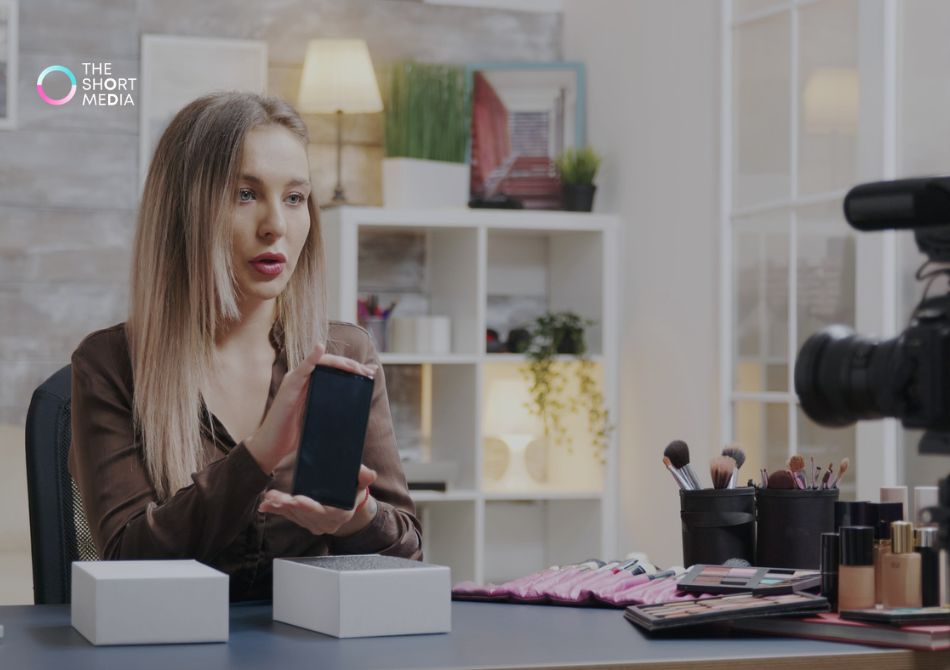
A lot of teams still treat TikTok like a younger version of Facebook. Same offer, same landing page, same stiff brand video with subtitles added at the end. Then they wonder why the CPL looks fine but the close rate is awful. I’ve seen a local med spa get better leads from a handheld “here’s what happens at your first appointment” video than from a polished promo. I’ve also seen a home gadget brand send traffic to a generic product page and miss all the objections people were literally typing in the comments.
So, yes, TikTok can drive strong leads. But the quality depends on what you ask for, how fast you build trust, and whether your creative feels like it belongs there.
Why lead quality on TikTok is so uneven
The platform gives you access to attention at scale. That part is real. The harder part is intent.
Some people on TikTok are ready to buy, book, or enquire. Plenty aren’t. They’re in discovery mode, half-watching while making dinner, saving videos to come back later and often never coming back. If your offer needs a lot of explanation, or if the customer has to feel a high level of trust before submitting details, your ad has to do more work up front.
That’s why TikTok Ad campaigns can produce wildly different outcomes even in the same industry.
A UK-based aesthetics clinic might get poor leads from a “Book now” message, then improve quality by switching to a creator-style video explaining recovery time, pricing expectations, and who the treatment isn’t for. Sounds counterintuitive, but filtering people early often helps. Fewer leads, better leads.
Same thing with B2B or service businesses. If you run ads on tiktok for accountancy, legal services, or even property-related offers, broad curiosity can eat your budget fast. The ad has to pre-qualify. Mention minimum project size. Mention location. Mention timeline. Not in a dry way, but clearly enough that the wrong people scroll on.
TikTok Ad campaigns work better when the lead offer is built for TikTok
This is where a lot of lead gen falls apart. The ad is native enough, but the offer isn’t.
If you’re asking someone to fill in a long form for a “free consultation” without giving them a reason to care, expect weak intent. TikTok users respond better to offers that feel immediate and specific.
A few examples I’ve seen work:
- A fitness coach offering a 2-minute body type quiz with tailored follow-up
- A home renovation company pushing a “Get a rough budget range before you book”
- A beauty brand collecting leads for a shade-match finder before a retail launch
- An Amazon product seller using TikTok to build a waitlist for a bundle drop
- A local cleaning service offering a quick quote based on postcode and home size
None of these are magic offers. They just fit the pace of the platform better than a vague “contact us”.
When businesses talk about tiktok ads for business, this is usually the bit they skip. They focus on targeting or spend before fixing the actual exchange. What is the user getting, right now, for handing over their details?
Creative decides lead quality more than most teams want to admit
I’m slightly opinionated on this one because I’ve seen too many teams blame targeting when the real problem was the ad itself.
If the video looks like an ad in the first second, quality usually drops. Not always. But often enough.
The strongest lead gen creative on TikTok tends to do one of a few things:
- shows the product or service in use immediately
- answers a common objection before the user asks it
- uses a person who feels believable, not overly rehearsed
- gives enough detail to attract the right lead and repel the wrong one
That last part matters. A creator reading a script too perfectly can absolutely tank performance. So can a brand trying a trend two weeks too late because someone senior finally approved it on Friday. I’ve also seen a product demo filmed in a messy kitchen beat studio footage by a mile because it looked like someone actually used the thing.
If you run ads on tiktok, don’t just test hooks. Test levels of specificity. One version can stay broad. Another can mention price range, time commitment, or who it’s best suited for. Better to lose a few low-intent clicks than pay for forms that never convert.
Lead forms vs landing pages: it depends on what you’re selling
TikTok’s native lead forms can work well, especially for simpler offers. Less friction, faster completion, lower cost. That usually means more volume.
But volume and quality are not the same thing.
For higher-consideration services, sending users to a landing page often produces fewer leads but better ones. The page gives you room to explain the process, show proof, set expectations, and weed out poor fits. A cosmetic dentist, for example, probably needs more than a native form. A local gym trial? Native lead form might be fine.
The better TikTok Ad campaigns usually match the destination to the decision.
And watch the comments. Seriously. They’re useful. If people keep asking “Is this in Manchester?” or “Does this work for sensitive skin?” or “Why is it so expensive?” that’s not just engagement. That’s messaging feedback your landing page probably needs.
What makes tiktok ads for business actually bring qualified leads
Not every business will get the same result, but the better-performing accounts usually share a few habits.
They don’t rely on one ad. They build clusters of creative around one offer.
They don’t hide important details to juice CTR.
They use retargeting properly. Someone who watched 75% of a product explainer or visited the pricing page is a very different prospect from a cold viewer.
They also accept that TikTok often plays an assist role. A person might see your ad there, search your brand later, click a Google result, then convert through another channel. If you judge everything on last-click lead attribution, TikTok can look worse than it really is.
That’s especially true for tiktok ads for business in categories where trust takes time: finance, clinics, premium home products, coaching, and local services with bigger ticket sizes.
If you want better leads, qualify people earlier
This sounds boring, but it saves money.
If your average customer spends £2,000, say so in some form. If you only serve certain regions in the UK, mention that. If your software is built for teams over 10 people, don’t pretend it’s for everyone.
When you run ads on tiktok, broad appeal is tempting because the platform rewards attention. But attention from the wrong person is still the wrong person.
Some of the best-performing TikTok Ad campaigns for lead quality are a little less flashy. More direct. More honest. A founder speaking plainly to camera. A staff member showing the process. A customer explaining what nearly stopped them from buying, then what changed their mind. Those ads don’t always win the vanity metrics race. They often win where it counts.
So, can TikTok generate high-quality leads?
It can. But it’s not automatic, and it’s definitely not cheap just because the CPC looks low.
If the creative is built for the platform, the offer is clear, and the journey filters out weak-fit prospects, tiktok ads for business can bring in leads that turn into real revenue. I’ve seen it with beauty clinics, food brands launching retail products, DTC home items, and local service businesses that stopped trying to sound like polished ad copy.
If you run ads on tiktok with lazy repurposed assets and a generic form, you’ll probably get what a lot of advertisers get at first: activity, not quality.
That’s the real answer. TikTok can absolutely produce high-quality leads. It just doesn’t reward vague marketing very much.
FAQs
1. Are TikTok leads usually cheaper than Meta leads?
Often, yes on paper. But cheaper doesn’t mean better. I’d rather have 20 leads that answer the phone than 80 that disappear.
2. Should small businesses use TikTok for lead generation?
For some, absolutely. Local services, beauty, fitness, clinics, and visually demonstrable products tend to have a better shot than businesses that need loads of technical explanation upfront.
3. Is a TikTok lead form better than sending traffic to a website?
Depends on the sale. Short decision cycle, lower friction offer, native form is often fine. For higher-ticket services, I’d usually want a landing page doing some of the qualification work.
4. How much budget do you need to test TikTok lead gen properly?
Enough to test multiple creatives, not just one video and a prayer. Even a modest test needs room for variation, because one decent creator-style ad can outperform five polished brand edits.
5. What kind of creative gets better-quality leads?
Usually the ads that explain something real. Process, pricing cues, who it’s for, what to expect. Not just hype. Weirdly, slightly less “perfect” videos often do better.