
I’ve watched brands spend £8,000 on a glossy shoot for TikTok, only to get quietly outperformed by a creator filming a product demo next to a kettle with bad overhead lighting. Not always. But often enough that it stops being a fluke.
That’s the thing people still get wrong about TikTok. The platform doesn’t reward effort in the way traditional brand teams expect. It doesn’t hand out extra reach because you booked a studio, hired a stylist, and edited every cut to death. If anything, that polish can make the content feel slightly off. Too approved. Too rehearsed. You can almost hear the legal team in the background.
For brands trying to grow, this is usually the moment they start looking for a tiktok social media agency or a TikTok Growth Agency that actually understands how the app behaves in real life, not just in a pitch deck. And honestly, that’s fair. TikTok can be weird. A little inconsistent. Sometimes rude, too.
The polished ad problem
High production video isn’t bad by default. It has a place. Retail launches, hero campaigns, big seasonal pushes, paid media cutdowns — all useful. But on TikTok, polish often creates distance.
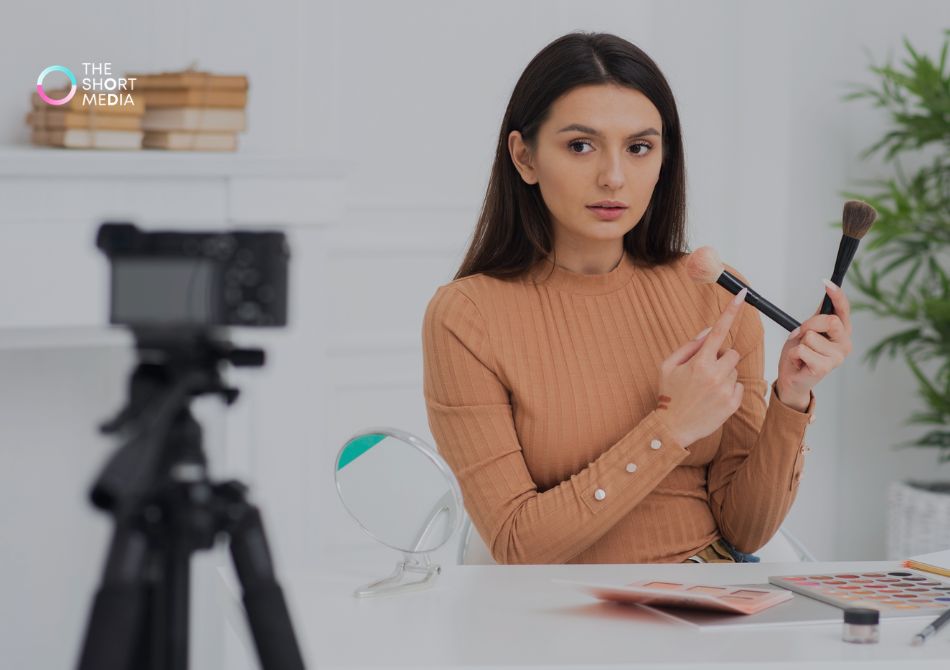
A beauty brand might post a perfectly lit foundation video with smooth camera moves and colour grading that looks expensive. Then a creator posts a 22-second clip applying the same product in their car, mentions that it didn’t cling to dry patches around their nose, and suddenly the comments fill with “okay wait, what shade is that?”
That second video feels closer to how people actually buy. They’re not sitting back admiring cinematography. They’re checking texture, listening for little hesitations, scanning comments, trying to figure out whether the person on screen seems believable.
I’ve seen the same thing with food brands. A studio-shot recipe video can look lovely, but a quick kitchen clip where someone says, “I thought this sauce would be too sweet, but it’s actually decent on eggs,” can pull stronger watch time and better saves. Slightly messy. More convincing.
A good TikTok Growth Agency knows that TikTok users aren’t grading production quality the way a creative director might. They’re asking something simpler: does this feel real enough to trust for ten seconds?
Why “real” works better than “perfect”
Authentic content tends to outperform because it matches the pace and tone of the feed. People scroll quickly. They’re not switching into “brand film mode.” They’re in discovery mode, often half-distracted, and they make snap judgments.
If a video looks too much like an ad, viewers treat it like one.
That doesn’t mean authentic content should be lazy. It still needs a hook. It still needs structure. Good raw-looking content is usually more deliberate than it seems. But it hides the work.
A fitness brand, for example, might think they need a dramatic transformation edit with licensed music and slick transitions. Meanwhile, a trainer filming on a phone saying, “Here’s why this resistance band doesn’t roll up on your thighs like the cheap ones do,” will often hold attention better. It’s specific. It solves a real annoyance. It sounds like something a person would actually say.
That’s where a strong tiktok social media agency earns its keep. Not by making everything look expensive, but by helping brands create content that feels native without becoming sloppy or forgettable.
The comments usually tell the truth
One of the most useful things about TikTok is that the audience will tell you what’s missing. Sometimes bluntly.
We’ve seen home product brands post tidy, high-production clips showing a storage solution in a spotless pantry. Nice video. Weak response. Then someone reposts a more casual demo from their own flat, shows that the bins actually fit awkward cereal boxes, and suddenly the comments are full of practical questions: “Will this work in a rental cupboard?” “Can you wipe the labels clean?” “Does it slide on deep shelves?”
That stuff matters. Comments often reveal objections the product page missed.
A TikTok Growth Agency that’s paying attention won’t just report views and engagement. They’ll mine those replies for creative direction. Same for tiktok promotion services. If the audience keeps asking whether a skincare product pills under sunscreen, your next five videos probably shouldn’t be abstract lifestyle edits.
High production often arrives too late
There’s also a timing issue. By the time a heavily produced TikTok is concepted, approved, shot, edited, revised, and signed off, the moment may have passed.
I’ve seen brands jump on a trend nearly two weeks late because the internal process was so slow that the joke had already gone stale. Painful, honestly.
Authentic content is faster to make and easier to test. You can shoot three angles in an afternoon, post them, and learn something by tomorrow. That speed matters more than people admit. A decent tiktok social media agency will usually build around volume, iteration, and quick learning loops rather than betting everything on one expensive asset.
That’s also why many brands end up investing in tiktok promotion services after they realise they need more than one polished campaign burst per quarter. TikTok rewards consistency and responsiveness. Not endless perfection.
Where creators beat brand teams
This is the slightly uncomfortable bit for some in-house teams: creators often make better TikTok content because they understand the rhythm instinctively.
Not all creators, obviously. Some read scripts so perfectly that the video dies in the first three seconds. You can tell when every line has been approved by six people. But the better ones know how to leave in a tiny pause, a side comment, a face that says “I wasn’t expecting that,” and those details do a lot of work.
For DTC brands, Amazon products, and even local services, that creator instinct matters. A cleaning product demo filmed on an actual stained hob can outperform a spotless studio setup because the mess looks believable. A local aesthetic clinic explaining aftercare in a treatment room can feel more trustworthy than a branded montage with dramatic music. A snack brand launch into Target or Walmart might get more traction from ten creator clips with different reactions than one expensive hero film.
This is usually where tiktok promotion services become practical rather than optional. Not just boosting posts, but helping brands get the right content in front of the right people once they’ve found what’s already working organically.
A TikTok Growth Agency should care about proof, not polish
If you’re hiring a TikTok Growth Agency, ask how they judge content quality. If the answer is mostly about production standards, visual identity, and premium editing, I’d keep looking.
The better answer sounds more like this: did people watch past the hook, did they comment with real buying questions, did creators make the product feel natural, did the video generate useful objections, and can we make five more versions without turning it into a committee project?
That’s the work. Less glamorous, maybe. More effective.
A smart tiktok social media agency will usually balance three things:
Native creative that doesn’t feel fake-casual
There’s a difference between authentic and careless. Cropped captions, muddy audio, and random talking points aren’t a strategy. Good TikTok content may look effortless, but someone still needs to shape the message.
Fast testing cycles
You need enough output to spot patterns. Maybe the product demo works better than founder-led content. Maybe “here’s what I didn’t like at first” beats the usual benefit-led script. You won’t learn that from one hero asset.
Paid support once a winner appears
This is where tiktok promotion services can really help. When a post is already getting strong hold rate, saves, shares, or comment quality, putting spend behind it makes sense. Forcing budget onto weak creative usually doesn’t.
Authentic doesn’t mean amateur
Worth saying clearly: authentic content is not an excuse for low standards.
The best-performing TikTok content often has decent lighting, clean framing, and a clear point of view. It just doesn’t look overhandled. It keeps the human texture. A little hesitation. A real setting. A line that sounds spoken, not written by committee.
That’s why brands working with a TikTok Growth Agency or using tiktok promotion services tend to do better when they stop trying to “make a TikTok ad” and start making content that can survive in-feed without begging for attention.
And yes, sometimes the kitchen demo really does beat the studio cut. Annoying if you paid for the studio. Useful if you’re willing to learn from it.
FAQs
1. Does high production video ever work on TikTok?
It can, especially for launches, fashion, or products that genuinely benefit from strong visuals. But even then, the content usually performs better when it keeps some immediacy and doesn’t feel too airbrushed.
2. What does “authentic” actually mean here?
Mostly that the video feels like something a real person would post, not a brand trying very hard to imitate one. Specific language helps. Real settings help. Tiny imperfections help more than people think.
3. Should brands stop using studios entirely?
Not necessarily. Studios are useful when you need control, multiple edits, or assets for several channels. Just don’t assume studio content should lead your TikTok strategy by default.
4. How do tiktok promotion services fit into this?
They work best after you’ve identified creative that already has traction. If a video is getting strong engagement organically, tiktok promotion services can help scale it without guessing from scratch.
5. Is it better to use creators than in-house staff?
Depends on the brand. Some founders and team members are naturally good on camera. Some really aren’t, and that’s okay. Creators often bring better delivery and pacing, especially for consumer products.