
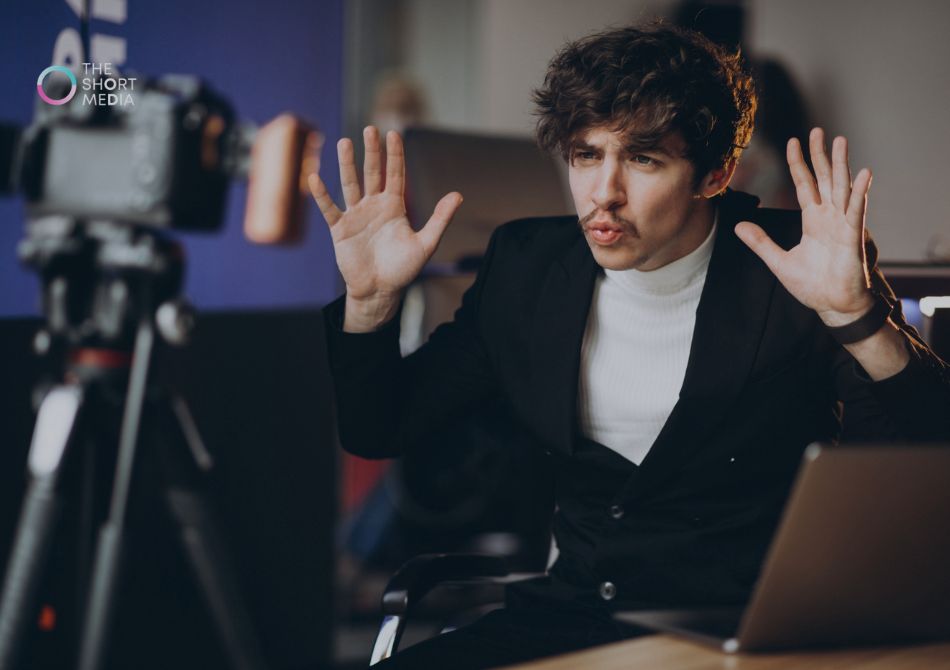
A few years ago, most law firms would’ve laughed at the idea of being on TikTok. Too messy. Too young. Too many dances, too little dignity. And yet here we are: personal injury solicitors, immigration lawyers, family law practices, even barristers commenting on legal news and pulling in serious attention.
Some of it works brilliantly. Some of it looks like a senior partner lost a bet.
That’s really the tension. Law firms can absolutely use TikTok. They just can’t treat it like a corporate brochure, and they definitely can’t copy a skincare brand’s content plan and hope for the best. If you want the platform to help with awareness, trust, and eventually enquiries, you need to understand how people actually behave there.
And if you don’t have the internal time or instincts for it, this is usually where a marketing agency for tiktok earns its keep. Not by making your firm “go viral”, but by stopping you from posting stiff, awkward content that makes capable lawyers look oddly wooden on camera.
The mistake most law firms make on TikTok
The first bad move is trying too hard to look polished.
I’ve seen firms post beautifully lit office videos with expensive editing, branded lower thirds, and a solicitor reading a script like they’re delivering a compliance training module. Technically fine. Practically dead. It gets ignored because TikTok rewards content that feels watchable, not content that feels approved by six people in a boardroom.
The second bad move is going too far the other way. Jumping on trends two weeks late, using audio that doesn’t fit the subject, or asking lawyers to act like creators when they clearly hate every second of it. Viewers can feel that discomfort immediately.
Good tiktok digital marketing for law firms sits in the middle. Credible, clear, useful, but still native to the platform.
What “professional” actually looks like on TikTok
Professional on TikTok doesn’t mean formal. It means trustworthy.
That usually looks like:
- A solicitor speaking plainly about a common legal issue
- Short videos answering the questions clients ask before they ever enquire
- Calm reactions to legal stories in the news
- Myth-busting content around things people get wrong
- Clear disclaimers without turning the whole video into a disclaimer
A family law firm, for example, might post a 30-second clip on what actually matters in child arrangement cases versus what clients assume matters. An employment solicitor might explain what “without prejudice” means, because half the comments under those videos reveal people have heard the phrase and misunderstood it for years.
That’s where tiktok digital marketing gets interesting for legal brands. The comments often expose the exact objections, fears, and gaps in understanding that your website copy missed.
I’ve seen this with service businesses outside legal too. A local clinic thought people cared most about pricing; TikTok comments showed they were more worried about pain and recovery time. Same principle. Audience language is sitting there in public if you bother to look.
A marketing agency for TikTok can help keep the tone right
There’s a reason firms often struggle to do this in-house. Lawyers know the subject. They don’t always know how to package it for short-form video without sounding either too stiff or too casual.
A good marketing agency for tiktok should help with three things.
1. Turning expertise into watchable content
Not dumbed down. Just translated.
A solicitor may give a five-minute explanation full of caveats and precise legal wording. Useful in a consultation, terrible on TikTok. A smart tiktok marketing company will pull out the sharpest usable point and shape it into something a viewer can follow in under a minute.
That might be:
“Three things to do if your landlord won’t return your deposit”
or
“What not to say in a workplace grievance meeting”
Simple framing helps. So does speaking like a person.
2. Preventing trend panic
This matters more than people think.
Some firms see a trend taking off and immediately want a legal version. Usually by the time approvals happen, the trend is tired and the video feels weirdly desperate. I’ve watched brands in other sectors do this too — especially retail teams trying to force a launch into a meme format that already peaked last week.
A decent tiktok marketing company will know when to ignore trends altogether and when to adapt a format without embarrassing the client.
3. Building a repeatable content rhythm
Law firms don’t need 14 videos a week. They need consistency and enough variation that the account doesn’t feel like a legal FAQ machine.
This is where a marketing agency for tiktok can be useful operationally, not just creatively. Filming six or eight strong videos in one session, planning follow-ups from comments, mixing educational clips with topical reactions — that’s often more realistic than asking fee earners to “just post more”.
The kind of TikTok content that tends to work for law firms
Not every practice area will perform the same way, but some formats are reliably solid.
Short answers to awkward client questions
These do well because they feel honest. Things like:
- “Can I record a meeting with my employer?”
- “Do I need a solicitor before speaking to the police?”
- “Will cheating affect a divorce settlement in the UK?”
If the answer is nuanced, say that. Viewers don’t mind nuance if the first few seconds are clear.
News reactions, with restraint
When a legal story breaks, there’s often a window where people want context from someone who actually understands the issue. Not hot takes. Context.
This is one of the better uses of tiktok digital marketing for firms that want authority without sounding self-important. A calm 45-second explanation from a media lawyer or criminal defence solicitor can do more than a week of generic brand posts.
Day-in-the-life, but not cringe
This one needs care. A trainee solicitor showing snippets of office life can humanise the firm. A partner pretending not to know they’re being filmed while “walking into a strategy meeting” usually lands badly.
People don’t mind seeing the human side. They do mind obviously staged content.
Case pattern content
Not specific client details, obviously. But recurring scenarios.
An immigration firm might talk about common reasons visa applications get delayed. A personal injury practice might explain what weakens a claim early on. A conveyancing firm could post about the documents that hold up completions again and again.
This kind of tiktok digital marketing works because it feels practical. It also filters in better-fit leads.
Don’t let compliance kill the content
Legal marketing has constraints. Fair enough. But some firms overcorrect and drain all life from the video.
You still need disclaimers, accuracy, and internal sign-off. You just don’t need to front-load every clip with a miniature terms-and-conditions speech. Put sensible wording in the caption. Keep verbal caveats brief. Train whoever appears on camera so they know where the lines are.
A marketing agency for tiktok with experience in regulated sectors should understand this balance. If they push the firm to be reckless, they’re the wrong fit. If they make every video sound like a policy memo, also the wrong fit.
Why a tiktok marketing company shouldn’t run TikTok like paid social from 2019
This is where some agencies get exposed.
They know Meta. They know polished ad creative. They know how to write copy that sounds “on-brand” in a way that instantly flattens TikTok content. Then they wonder why the videos don’t move.
TikTok usually needs looser creative, faster testing, and more tolerance for content that feels a bit rough round the edges. I’ve seen a product demo filmed in someone’s kitchen outperform expensive studio footage by a mile. Same with service content. A solicitor talking directly to camera from a meeting room often beats a heavily produced office montage.
A serious tiktok marketing company should understand that platform behaviour, not just media buying.
And if you’re planning paid promotion too, your organic content matters. Not because of some tidy marketing theory, but because weak organic usually means your messaging is off. Paid spend won’t fix a lawyer reading a script too perfectly with zero natural cadence.
What law firms should measure instead of vanity metrics
Views are nice. They’re also a bit distracting.
For law firms, better indicators are:
- Saves on educational videos
- Comments that show genuine legal intent
- DMs or profile clicks after topical content
- Repeat themes in audience questions
- Enquiries mentioning a video
That’s the stuff that tells you whether your tiktok digital marketing is building trust with the right audience.
A regional UK firm doesn’t need millions of views. It needs the right local people to see a solicitor who sounds credible, helpful, and normal.
FAQs
1. Do law firms need to be funny on TikTok?
Not really. A dry sense of humour can work, but forced comedy usually doesn’t. Clear, useful, slightly human content tends to do better than a solicitor awkwardly acting out a trend.
2. Is TikTok only useful for consumer-facing law firms?
It’s easier for areas like family, employment, immigration, criminal defence, and personal injury because the public already searches for those answers. But even B2B firms can use it for commentary, recruitment, or credibility if they have someone who can speak plainly.
3. How often should a law firm post?
Two or three decent videos a week is enough to start. Better that than posting daily filler that nobody in the firm actually believes in.
4. Can solicitors talk about real cases?
Only in a very careful, anonymised way, and often it’s smarter to discuss patterns rather than case specifics. If a story is identifiable, leave it out. Not worth the risk.
5. Should partners be the face of the account?
Sometimes, but not always. The best on-camera person is the one who can explain things naturally. In some firms that’s a partner. In others it’s an associate, trainee, or marketing lead interviewing fee earners off-camera.