
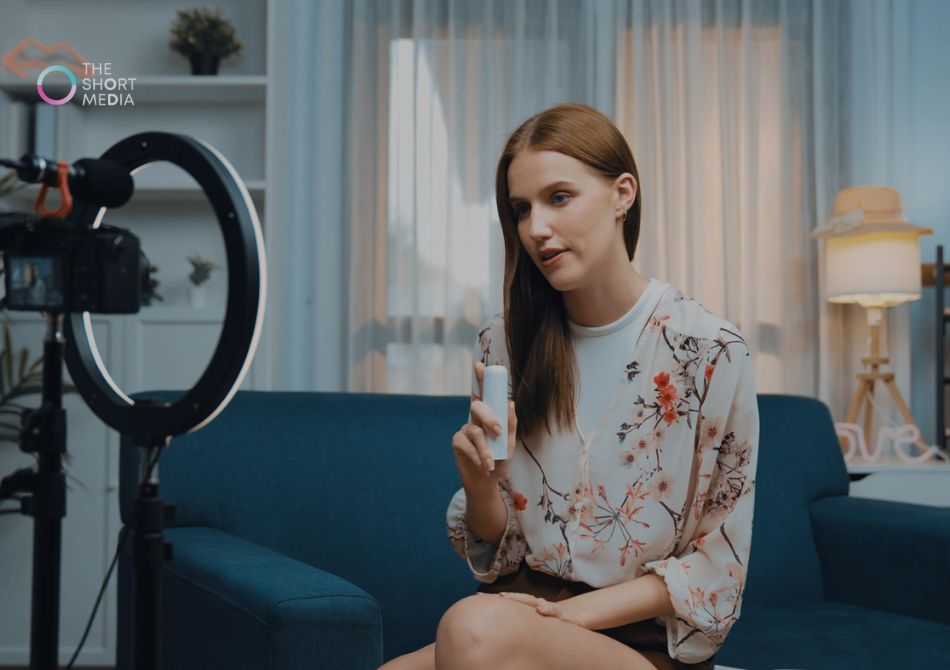
A few months ago, I watched a decent UK retail brand post a TikTok that had clearly been approved by six people. Nice lighting. Clean product shots. Trendy audio that was already fading out. The creator hit every talking point perfectly, which was the problem. It felt rehearsed in that slightly painful way TikTok users can spot in half a second.
It barely moved.
A week later, a scrappier clip filmed on someone’s phone in the stockroom did numbers. Not viral, not magic, just better. More comments, more saves, more people actually asking where to buy it.
That gap is where a lot of businesses still get TikTok wrong. Not because they’re lazy. Usually it’s the opposite. Too much control, too much polish, too much trying to make TikTok behave like Meta, YouTube, or an old-school brand campaign.
If you’re considering a tiktok marketing agency uk partner, or trying to fix your own content in-house, these are the mistakes I still see over and over.
Treating TikTok like a TV ad with captions
This is probably the biggest one.
A lot of UK businesses still show up on TikTok with creative that looks like it started life somewhere else. A paid social cutdown. A brand film chopped into vertical. A product spot with text slapped on top. It’s tidy, but it often lands flat.
TikTok usually rewards something that feels native to the feed. That doesn’t mean low effort. It means the content understands the platform. There’s a difference.
I’ve seen beauty brands in the US get more traction from a creator filming a foundation test by a bathroom window than from a polished studio asset that cost ten times more. Same product. Same offer. Totally different response. The studio version looked like an ad immediately, so people scrolled. The bathroom one looked like a person trying something and noticing it oxidised a bit after ten minutes. That detail made it believable.
For tik tok brand marketing UK, this matters more than some teams want to admit. Native doesn’t mean sloppy. It means it doesn’t feel imported.
Posting trends two weeks too late
This sounds obvious, but it keeps happening.
A brand sees a format working, sends it round the team, waits for sign-off, briefs someone, edits it, legal checks it, and posts when the moment has already passed. At that point it’s not trend participation. It’s reenactment.
And users can tell.
A good marketing agency tiktok setup should help brands separate reactive content from campaign content. Not everything needs a ten-day approval chain. If your social team can’t move quickly, at least stop pretending you’re trend-led. Build around repeatable formats instead. Product tests. Customer reactions. Staff picks. Before-and-after clips that show something real.
One food brand I worked near had a simple recurring format: a team member trying a new sauce combination in the office kitchen. Shot badly, if I’m honest. But it felt current because it was. That did more for engagement than their carefully planned “trend” posts.
Obsessing over follower count instead of content signals
Still see this all the time. A business gets nervous because the account hasn’t grown fast enough, so they start chasing vanity metrics or overpaying creators with big audiences and weak fit.
Follower count on TikTok can be a very misleading comfort blanket.
What matters more is whether the content gets watched, shared, commented on, and whether those comments reveal buying intent or friction. I’ve seen comments do more research work than a formal survey. People will tell you the product looks too small, too expensive, too fiddly, too similar to something on Amazon. Useful stuff. Often the sales page missed it.
A strong tiktok marketing agency uk should be looking at those signals, not just screenshotting view counts into a monthly report.
Over-scripting creators until they sound slightly robotic
This one hurts because it usually comes from good intentions. Brands want accuracy. Fair enough. Especially in beauty, supplements, finance, or anything regulated. But if the creator sounds like they’re reading legal copy off a ring light, the post is gone.
You can hear it when someone has been forced to say the product name three times in the first ten seconds. Or when they wedge in a tagline no normal person would ever use.
For tik tok brand marketing UK, the better approach is to lock the non-negotiables and loosen everything else. Give creators the claim boundaries, the offer, the product truth, and let them speak like themselves. A creator who flubs a line slightly and keeps going often performs better than one who sounds too polished. Weird, but true.
I once saw a home product demo filmed in a kitchen outperform a cleaner branded version because the creator actually struggled opening the packaging for a second. That tiny bit of friction made the whole thing feel real.
Expecting instant sales from cold creative
Some UK businesses go onto TikTok wanting hard conversion results from the first batch of videos, with no testing runway and no patience for learning. That’s rough. Especially if the product needs explanation.
Not every item sells in one hit. A £12 impulse beauty product? Maybe. A fitness programme, premium home gadget, or local service with a longer decision cycle? Different story.
The stronger teams build a mix. Some videos are there to stop the scroll. Some answer objections. Some show proof. Some retarget. Some are basically creator-led FAQs in disguise.
A smart marketing agency tiktok won’t treat every asset like it has to close immediately. That’s how you end up with pushy videos nobody wants to watch.
Ignoring comment sections when they’re basically free strategy
This one is surprisingly common. Teams post, glance at views, maybe reply with a couple of emojis, then move on.
Big miss.
Comments tell you what people didn’t understand, what they liked, what they don’t trust yet, and what version of the product they actually want. For local services, comments often reveal location confusion. For DTC brands, they surface pricing objections. For Amazon products, they expose comparison shopping in real time.
I’ve seen a retail launch get better after the team noticed dozens of comments asking whether a product was available in-store, not just online. That detail wasn’t clear in the original content. Easy fix. Better results next round.
If your tiktok marketing agency uk isn’t mining comments for creative direction, they’re leaving useful insight on the table.
Using one content style for every objective
A lot of businesses find one TikTok format that works a bit, then repeat it until performance falls off a cliff.
It happens with founder-to-camera videos. It happens with street interviews. It definitely happens with “three reasons why” style content. You can feel the fatigue set in.
TikTok needs range. Not chaos, but range.
For tik tok brand marketing UK, that might mean mixing creator demos, stitched reactions, product comparisons, staff footage, customer clips, and paid whitelisting assets. A local service business might need educational clips plus social proof. A DTC brand might need ugly demos, not glossy explainers. A food product might need taste reactions more than lifestyle montages.
Different jobs. Different formats.
Hiring creators for aesthetics, not fit
This is where brands waste money fast.
A creator can have a beautiful feed and still be wrong for the product. Maybe their audience likes them but doesn’t buy. Maybe they’re too polished for a practical household item. Maybe they read every script like they’re auditioning for a corporate training video.
A better marketing agency tiktok will cast for fit, not just reach. Can this person make the product feel usable, desirable, credible, or interesting? Can they handle objections naturally? Can they improvise when the script doesn’t quite work?
For a fitness product, you might want someone who feels trustworthy and specific, not just aspirational. For a snack launch, maybe you want personality and reaction. For a home organiser, practical energy usually beats lifestyle gloss.
Treating paid and organic as separate planets
This split causes a lot of bad decisions.
Organic teams sometimes chase views with no thought for what can scale in ads. Paid teams sometimes build ad creative with no understanding of what actually gets attention in-feed. Then everyone wonders why performance is patchy.
The better setups share learnings both ways. Organic tells paid what hooks and formats are getting attention. Paid tells organic what messaging is converting. It’s not complicated, but it does require people to talk to each other, which, well, doesn’t always happen.
A good tiktok marketing agency uk should be bridging that gap, not making it worse with siloed reporting.
The quiet fix: less polish, more evidence
Most UK businesses don’t need to become chaotic or try too hard to sound “TikTok native.” That usually backfires too.
They just need to stop sanding off everything human.
Show the product in a real setting. Let a creator phrase things in their own words. Use comments to shape the next round. Test more hooks than you think you need. Don’t wait until a trend is old enough to need a pension. And please, if a video looks like it was approved into lifelessness, it probably was.
That’s where tik tok brand marketing UK gets better. Not from copying whatever looked viral last month, but from making content that feels current, specific, and believable.
FAQs
1. Do UK businesses need to be on TikTok if their audience is older?
Sometimes the audience is older than the brand assumes. Plenty of home, food, wellness, and retail products are being discussed by people well beyond the student demographic. It’s worth testing before ruling it out.
2. How long should a TikTok video be for a brand?
There isn’t one clean answer. I’ve seen 12-second product demos work brilliantly and 45-second creator explainers convert because they actually answered the objection. If the first few seconds are weak, length won’t save it.
3. Is it better to hire a creator or film in-house?
Usually both, eventually. In-house content can feel more immediate and cheaper to produce, while creators bring trust and variation. If budget is tight, start with whoever can make the product look believable, not whoever has the fanciest setup.
4. What does a tiktok marketing agency uk actually help with?
The useful ones do more than posting schedules. They shape creative strategy, source creators, test paid assets, read performance properly, and stop brands from making platform mistakes that look small but get expensive.
5. Why do polished brand videos often underperform?
Because they often look like ads before they’ve earned attention. Users scroll fast, and anything that feels too packaged can lose the moment. A slightly rougher clip with a clear product point often has more pull.