
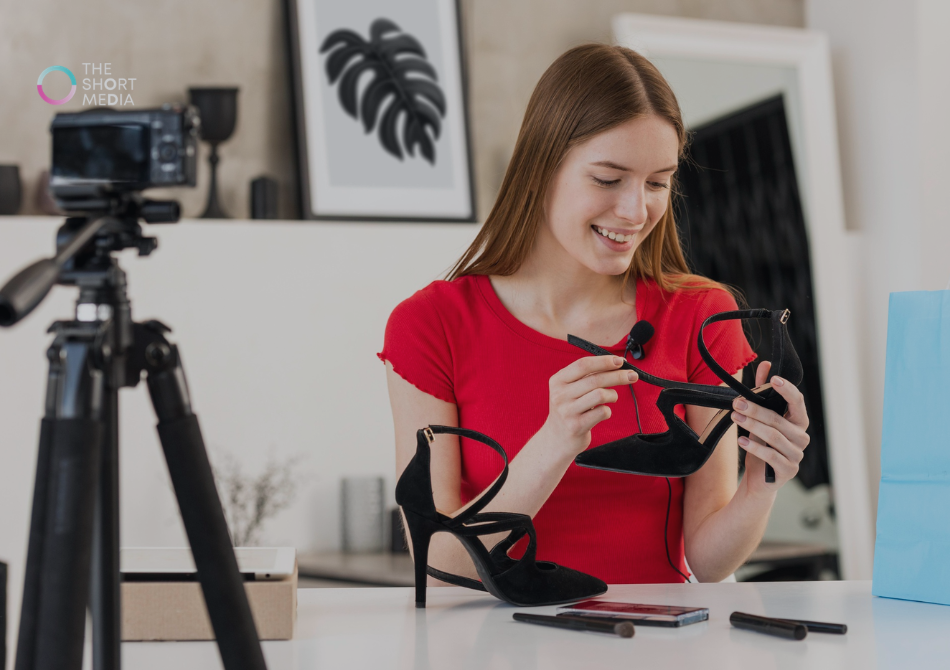
I’ve sat in too many meetings where a brand says they want to “do TikTok properly,” then someone opens a spreadsheet, lists six trends from last month, and asks the intern to film something in the office by Friday.
That usually ends how you’d expect.
Not because the team is lazy. Usually it’s the opposite. They’re trying too hard to make TikTok feel safe, approved, on-brand, polished. And then the video lands like a corporate training clip with trending audio awkwardly pasted over the top. A creator reading a script too perfectly will do that. So will a product demo shot under expensive lights when a quick kitchen video would’ve felt more believable.
If you’re weighing up TikTok Marketing Services in UK versus keeping everything in-house, the real question isn’t just cost. It’s whether your team can produce content that actually belongs on the platform, test quickly, buy media intelligently, and keep going long enough to learn something useful.
That’s where the DIY vs outsourced decision gets a bit less theoretical.
Why TikTok gets messy for brands, fast
Most teams underestimate the volume. Not just posting volume, but testing volume.
A beauty brand might need 20 variations of the same hook before it finds the one that gets people to stop scrolling. A food brand launching a new snack might discover that comments are full of objections no one mentioned in the sales copy — “too expensive,” “where do I buy it,” “is it actually spicy or just saying spicy?” That’s useful. But only if someone is paying attention and feeding those insights back into creative.
This is why TikTok Marketing Services in UK often appeal to teams that already have capable marketers. TikTok isn’t hard because marketers are bad at marketing. It’s hard because the platform rewards speed, volume, and a kind of native instinct that doesn’t always sit comfortably inside approval-heavy businesses.
And if you’re selling across the UK market, there’s another layer. Humour, creator selection, references, even pacing can land differently here than in US-first campaign templates. I’ve seen brands reuse American-style ad scripts word for word and wonder why the comments feel cold.
The case for DIY, if your team actually has the setup
I’m not against in-house TikTok. Sometimes it’s the better option.
If you’ve got a social lead who understands short-form, someone who can edit quickly, access to internal brand experts or founders who are comfortable on camera, and a paid social person who won’t panic after three days of mixed results, DIY can work well.
It’s often strongest when:
Your product needs internal knowledge
A fitness brand with a coach on staff, a home product company with someone who can demonstrate the product properly, or a local service business with real staff and real before-and-after footage — these brands often have content advantages that an outside team can’t fake.
One home storage brand I worked near had a simple setup: phone tripod, warehouse corner, one staff member who was oddly good on camera. Their best-performing videos were barely edited. Just practical demos and mildly sarcastic voiceovers. Better than the polished launch assets by a mile.
You need fast internal feedback loops
If legal, product, and social sit close together, in-house production can move quickly. That matters. TikTok punishes slow teams. Not always in reach, but in relevance. I’ve seen brands join a trend two weeks too late and act surprised when it looks desperate.
You’re willing to look a bit less controlled
That’s the part some brands say they want, then quietly resist.
DIY TikTok usually works when the team can tolerate a little mess. Slightly rough framing. A casual line that wouldn’t make it into a TV ad. A founder answering comments without sounding like PR approved every word.
Still, DIY falls apart when the internal team is stretched thin. TikTok becomes “something we should post on more,” which is not a strategy, it’s a guilt feeling.
Where a tiktok media agency usually earns its keep
A good tiktok media agency doesn’t just post videos and call it a day. The useful ones build a system around creative testing, creator sourcing, paid amplification, reporting, and iteration.
That matters more than people think.
A lot of brands don’t really need “content.” They need a repeatable way to figure out what kind of content gets watched, clicked, saved, and converted.
Creative testing without internal bottlenecks
This is the obvious one. A tiktok media agency can usually move faster because they’re not waiting on five layers of internal sign-off for every edit. They also tend to know what weak creative looks like before you spend money behind it.
Small things matter here. An opening line that sounds written by legal. A demo that explains too much before showing the result. A creator who clearly memorised the brief and lost all personality in the process. These are common misses.
The stronger TikTok marketing partners catch those early.
Better creator workflows
Creator content is where many brands waste time. They brief too tightly, flatten the personality, then wonder why the final video feels dead.
Experienced TikTok marketing partners usually have a better feel for who to cast, how much direction to give, and when to leave room for creators to phrase things in their own way. If you’ve ever watched a skincare creator say “this innovative formulation delivers visible results” with a straight face, you know exactly what I mean.
A tiktok media agency with a decent creator network can also save you from chasing ten freelancers separately, negotiating usage rights in a panic, or finding out too late that the creator’s audience doesn’t match the product at all.
Paid social that’s built around creative reality
This bit gets overlooked. TikTok media buying is heavily shaped by creative turnover. If your paid team is strong but your content pipeline is weak, performance usually stalls.
That’s why many brands hire TikTok marketing partners rather than a generic paid social shop. The media and the creative need to talk to each other constantly. Not once a month in a reporting deck. Constantly.
For a DTC beauty brand, that might mean noticing that “GRWM” style videos are pulling cheap clicks but poor conversion, while direct problem-solution videos filmed in a bathroom are converting better with lower engagement. Different signals, different decisions.
A smart tiktok media agency will treat that as a creative strategy issue, not just a bidding issue.
TikTok Marketing Services in UK: when outsourcing makes more sense
There are a few situations where TikTok Marketing Services in UK are usually the sensible call.
You need traction fast
Retail launch coming up. Amazon product push. Seasonal campaign. New market entry. If timing matters, outsourcing can compress the learning curve.
That doesn’t mean instant success. It just means you’re less likely to spend three months figuring out basics that experienced TikTok marketing partners already know how to set up.
Your team is good, but already full
This is common. The internal social team is capable, but they’re already handling Meta, email briefs, influencer approvals, community management, launch calendars, and reporting. Adding TikTok properly on top of that tends to produce mediocre work and tired people.
You need platform-native thinking, not repurposed ads
A lot of outsourced support is bad because it simply reformats existing creative. But proper TikTok Marketing Services in UK should feel built for the feed, not adapted after the fact.
That’s a big distinction.
When DIY is still the smarter move
Outsourcing isn’t automatically more strategic.
If your category is highly regulated, your founder is your best content asset, or your customer questions are very specific and nuanced, an in-house model may outperform external support. Especially if your team already understands the product better than any outside tiktok media agency could within the first few months.
I’d also be cautious about outsourcing if the business expects an agency to “make TikTok work” without internal buy-in. The best TikTok marketing partners still need fast approvals, product access, customer insight, and someone on the brand side who can make decisions.
No agency can fix a brand that wants TikTok results while refusing to make TikTok-style content.
A middle ground that usually works better than either extreme
Honestly, a hybrid model often makes the most sense.
Use a tiktok media agency for strategy, paid testing, creator sourcing, and performance analysis. Keep some organic content in-house, especially if you’ve got people internally who can film authentic product demos or answer customer comments naturally.
That setup tends to work well for:
- DTC brands with active founders
- Local service businesses with good real-world footage
- Retail brands testing launches
- Home and kitchen products that demo well
- Beauty and wellness brands running creator-led paid ads
You get external speed and pattern recognition without losing the voice of the business.
And if you choose your TikTok marketing partners well, they’ll push back when your brief is too stiff, tell you when the hook is weak, and stop you from spending on content that was never going to work.
That’s worth paying for.
So, should you outsource or DIY?
If your team has time, creative instinct, fast decision-making, and a genuine appetite for testing, DIY can absolutely work.
If you’re missing two or three of those, TikTok Marketing Services in UK are probably the better route.
Not because outsourcing is magic. It isn’t. Plenty of agencies are just expensive admin layers. But the right TikTok marketing partners can shorten the awkward phase where brands post overly polished videos, misread weak metrics, and burn budget on creatives that should’ve been killed after day two.
That awkward phase is costly. More costly than many teams admit.
And usually, by the time a brand starts looking for a tiktok media agency, they’ve already felt it.
FAQs
1. How much do TikTok services usually cost in the UK?
It varies a lot. Some agencies charge a few thousand a month for content support, while larger retainers covering paid media, creator management, and strategy can go much higher. If you’re comparing options, ask what’s actually included — content volume, editing rounds, creator fees, usage rights, ad management. That’s where the real cost sits.
2. Can a small business handle TikTok in-house?
It can, especially if the owner or team is comfortable filming and responding quickly. Local gyms, salons, food spots, and trades businesses often do better with simple, regular content than overproduced campaigns. But someone still has to own it properly, otherwise it turns into a once-a-fortnight posting habit.
3. What should I look for in TikTok marketing partners?
Look at the work, obviously, but also how they talk about testing. Good TikTok marketing partners won’t just show one viral clip and a lot of vague language. They should be able to explain their creative process, how they handle creators, what they do when ads fatigue, and how they report on performance without hiding behind vanity metrics.
4. Is organic TikTok enough, or do you need paid ads too?
Depends on the goal. If you’re trying to build familiarity and learn what content resonates, organic can do a lot. If you need predictable traffic or sales, paid usually enters the picture pretty quickly. The strongest setups use organic to surface ideas, then put spend behind the formats that already show signs of life.
5. How long does it take to see results?
Sometimes you’ll get useful signals in the first few weeks. Real business results take longer, especially if the brand is still figuring out its voice or creative angles. Anyone promising instant scale is, well, being a bit generous.