
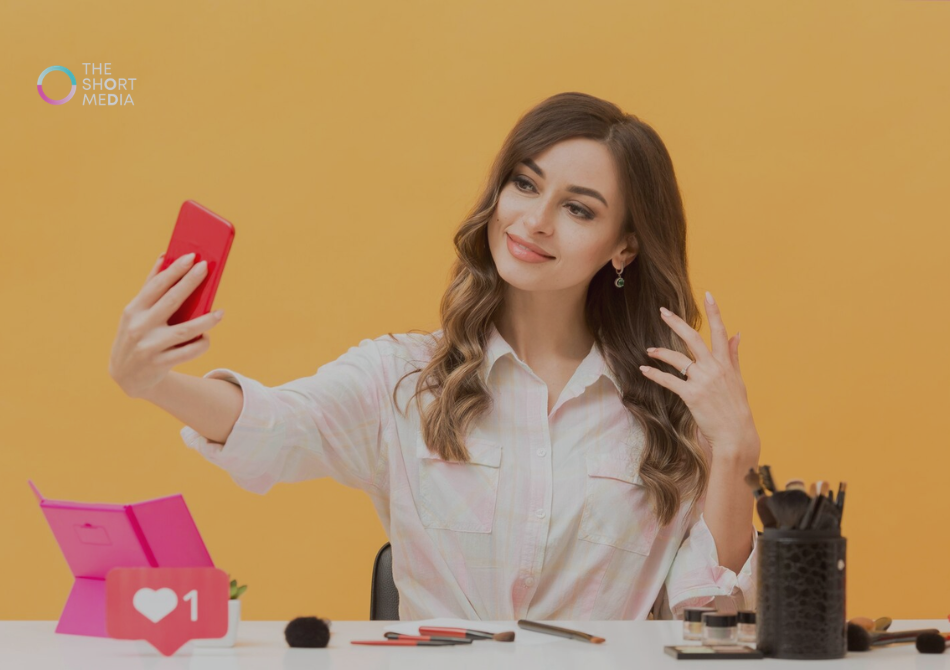
A few months ago, I watched a skincare brand spend five figures on polished social creative that looked great in a pitch deck and did almost nothing once it hit TikTok. Same week, a creator filmed a 22-second product demo on her bathroom floor, missed one line in the brief, laughed, kept rolling, and outsold the brand ad by a mile.
That’s usually where the conversation around tiktok for marketing starts to get more honest.
A lot of companies still treat TikTok like an experimental channel they should “probably be on” because everyone else is there. And that’s usually when they get stuck. They repurpose Instagram content, post a trend two weeks late, hire creators who read scripts like they’re doing compliance training, then wonder why nothing lands.
The platform can absolutely drive awareness, sales, search demand, retail lift, even useful customer research. But it doesn’t reward the same instincts that work on Meta, YouTube, or TV. That’s why the brands doing well with tiktok for marketing usually aren’t the ones with the most polished assets. They’re the ones willing to learn the platform properly and adjust fast.
Why tiktok for marketing keeps earning budget
Some channels give you predictable efficiency. TikTok gives you volatility, volume of feedback, and a weirdly direct view into what people actually care about.
That matters more than people admit.
I’ve seen beauty brands use TikTok comments to spot objections their product page completely missed. One acne patch brand kept getting “does it work under makeup?” in comments. They made three quick creator videos answering that exact point, and those clips ended up doing more for conversion than the original hero ad.
That’s one reason marketing on tiktok tends to be more than just posting content. It’s market research happening in public. Fast, occasionally brutal, but useful.
For consumer brands, especially DTC and Amazon-led products, the platform often acts like a pressure test. If a kitchen gadget needs 40 seconds of explanation before anyone gets it, that’s a product positioning problem. If a protein bar gets loads of saves from gym creators but weak click-through, maybe the hook is fine and the offer isn’t. You see the cracks pretty quickly.
And for local businesses, it’s not just for national brands with creator budgets. A med spa, a dentist, a meal prep company, even a home organiser can do well if the content is grounded in real work. Before-and-after clips, staff commentary, client misconceptions, pricing context, small transformations. Not glamorous. Effective.
Marketing on TikTok works differently from other paid social
This is where teams get tripped up.
On most social channels, brands are used to building campaigns around control: fixed messaging, polished visuals, strict brand language. TikTok tends to punish that when it feels too stiff. Not always, but often enough.
Good marketing on tiktok usually has a few traits:
It looks like something a person would actually post
Not “low quality,” exactly. Just native.
A home cleaning brand I worked with tested two versions of the same message. One was shot in a studio with bright product closeups and clean supers. The other was filmed in someone’s actual kitchen with a slightly cluttered counter and a creator saying, “I didn’t think this would matter, but look at this.” The kitchen version won comfortably. It felt believable. Also, the mess helped.
That kind of thing happens all the time.
It gets to the point quickly
Long setup kills momentum. So does over-explaining.
If you’re selling a posture corrector, show the posture issue first. If it’s a frozen food launch at Target, start with the texture pull or the taste reaction. If it’s a pet hair remover, put the couch on screen in the first second. A lot of marketing on tiktok fails because the hook is written like a brand manifesto instead of a piece of content.
It leaves room for creators to sound human
This one’s big. Brands often ruin decent UGC by tightening the script until it sounds like legal approved every breath.
You can usually tell when a creator has been told to hit seven talking points in 18 seconds. Their pacing gets weird. They stop sounding like themselves. Comments get quieter too, which is often a bad sign. The ad might still get impressions, but it won’t feel alive.
The better briefs are looser: here’s the product truth, here are the claims you can and can’t make, here’s the audience, now say it in your own way.
The brands that struggle usually make the same mistakes
I’ve seen this with beauty, supplements, cookware, fitness apps, and retail launches. Different category, same pattern.
They treat TikTok as a trend machine instead of a content-and-feedback engine. So they chase sounds, mimic formats they don’t understand, and post things that technically resemble TikTok but don’t really belong there.
A few common misses:
- Joining a trend after it’s already been rinsed by every intern on the internet
- Using creators who fit the aesthetic but not the audience
- Talking about the brand before showing the product doing anything
- Sending studio footage into paid and calling it “TikTok-style”
- Ignoring comments, which is where half the strategy is sitting
That last one gets overlooked. If you’re serious about tiktok for marketing, comments aren’t just engagement. They’re copywriting notes, objection handling, product feedback, and sometimes a warning that your offer isn’t clear.
I’ve watched comments reveal things the landing page buried three scrolls down. Shipping confusion. Shade match concerns. “Does this work on textured hair?” “Can I use this in a small flat?” “Why is the Amazon price different?” Useful stuff.
When a TikTok marketing company actually helps
Not every brand needs a full agency. Some need one smart strategist, a creator roster, and a media buyer who understands creative fatigue. But there are cases where a TikTok marketing company earns its keep.
Usually it’s when the internal team is stuck between brand standards and platform reality.
A good TikTok marketing company won’t just pump out more videos. They’ll set up a system: creator sourcing, briefing, editing variations, paid testing, comment mining, reporting that connects creative themes to business results. That’s very different from “we posted four times this week.”
The useful agencies also know when not to overproduce. I’ve seen brands spend ages perfecting transitions and text animation when the actual issue was simpler: the first line was boring, or the creator didn’t seem convincing, or the demo took too long to arrive.
If you’re hiring a TikTok marketing company, ask how they handle iteration. Ask what happens after a video underperforms. Ask how they brief creators. Ask whether they separate organic testing from paid creative development. If they mostly talk about trends and virality, I’d keep looking.
A solid TikTok marketing company should also be able to explain category nuance. Beauty content behaves differently from home products. Local services need a different trust signal than a DTC snack brand. Amazon products often need tighter proof points because shoppers are comparing listings and reviews in parallel.
Organic reach is nice. The real value is the feedback loop.
People love to talk about virality because it’s visible. Fine. But most brands won’t build a reliable business on random spikes.
What matters more is the loop between content, comments, creator output, and paid learnings.
A fitness brand posts a mobility clip. Comments say the move looks too advanced. Next round, creators show beginner versions. Those videos get stronger watch time. Paid team cuts a shorter variation for cold traffic. Landing page updates the copy to reflect “beginner-friendly.” That’s a useful system. Not glamorous, but very real.
This is where marketing on tiktok becomes operational, not just creative. The channel starts informing product pages, Amazon bullets, email copy, even retail sell-in language. I’ve seen food brands use TikTok reaction clips in retailer conversations because they showed actual customer excitement around a new launch. Messy evidence still counts.
And if you’re in the UK, there’s a practical angle here too. TikTok behaviour often differs by market, even when the product is the same. Creators, humour, pricing sensitivity, promo language, all of that can shift. A US-first creative strategy can work in the UK, but it usually needs adjusting rather than copying across blindly.
It’s not just for youth brands and impulse buys
This assumption hangs around longer than it should.
Yes, TikTok is great for beauty, snacks, fashion, and affordable home finds. But I’ve also seen interesting results for higher-consideration products when the content is built around specifics rather than hype. Think mattresses, wellness devices, premium cookware, even financial education brands. Not because people suddenly want corporate explainers in their feed. Because clear demonstrations and honest creator framing can reduce friction.
A creator saying, “I thought this was overpriced until I used it for two weeks” can do more than a sleek value proposition slide. Assuming they actually mean it.
That’s another reason tiktok for marketing keeps sticking around. It’s not limited to novelty products. It’s a place where proof, personality, and repetition can work together if the content doesn’t feel overhandled.
FAQs
1. How often should a brand post on TikTok?
More often than most teams are comfortable with, honestly. If you’re posting once a week, you probably won’t learn much. For most brands, 3–5 posts a week is a decent starting point, then adjust based on resources and what you’re actually testing.
2. Do you need a big budget for marketing on TikTok?
Not really at the start. You do need enough budget to test properly, especially if you’re running paid, but I’d rather see a brand make 20 decent creator videos than spend everything on two expensive hero assets.
3. Is TikTok only useful for Gen Z?
That’s an old read on the platform. Plenty of categories now reach millennials and older buyers too, especially home, food, parenting, beauty, and practical products. The bigger issue is whether your content is any good, not whether your audience has turned 30.
4. Should brands focus on organic or paid first?
Usually both, but not in a perfectly balanced way. Organic gives you signals fast, and it helps your team understand what feels native. Paid helps you scale what’s working. If you skip organic entirely, your ads can get very “ad-like” very quickly.
5. What makes a creator video perform badly?
Sometimes it’s the hook. Sometimes the creator never really believed the script. Sometimes the product benefit shows up too late. And sometimes, frankly, the brand picked the prettiest creator instead of the most convincing one.