
I’ve seen this happen more times than I can count: a brand spends weeks polishing a video, signs off on every frame, adds clean motion graphics, tight product shots, a tidy CTA at the end… and the ad dies almost immediately.
Then a scrappier version gets filmed in someone’s kitchen. Slightly awkward intro. A real hand opening the package. A creator stumbling a bit over one line, then recovering. Comments start coming in. Watch time holds. CPA drops.
That gap is basically the whole TikTok problem.
A lot of brands don’t struggle with budget or even offer. They struggle because they’re still making ads for platforms where people expect to be interrupted. TikTok Ads don’t really work like that. If the creative feels like it arrived from a boardroom, people scroll past before your hook has even landed.
That’s usually the point where a good tiktok ads agency earns its fee. Not by making things look more “premium,” but by helping brands stop sanding off the parts that make content feel believable.
A native TikTok ad doesn’t look too ready
This is the part that makes some internal teams nervous.
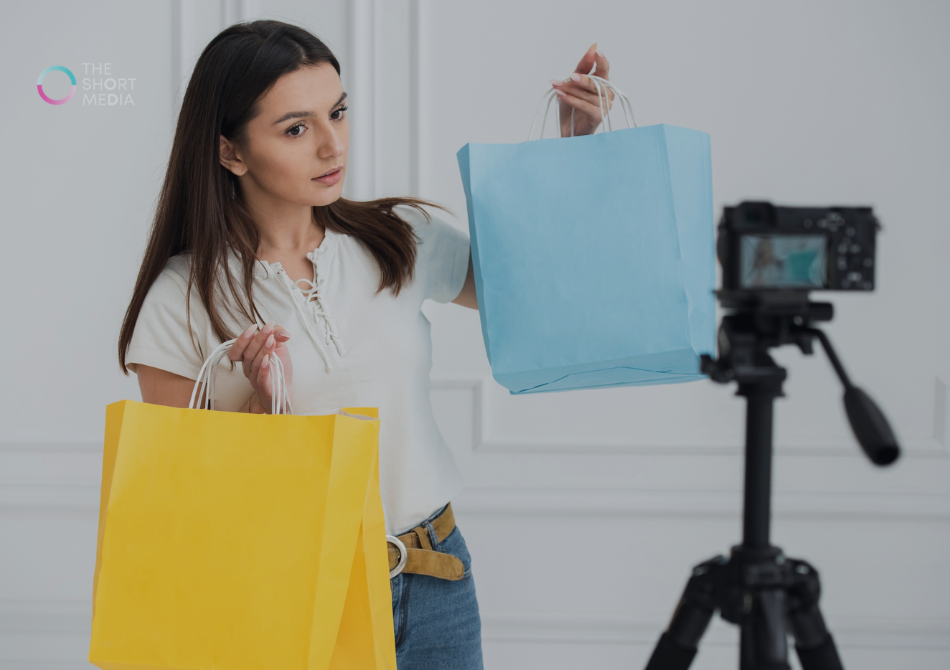
On TikTok, “high production” often reads as “I’m about to sell you something.” Not always, but often enough that it matters. The native-looking ads I’ve seen perform best usually have a bit of texture to them. Phone-camera framing. Natural room lighting. A creator talking like they’d talk to a friend, not like they’re reading a line approved by legal, brand, and three layers of paid social.
You can feel the difference immediately.
A skincare brand in the US I worked near had one creator ad where the script was technically fine, but she read it too perfectly. Every benefit landed in exactly the right order. It sounded rehearsed because it was. The next version kept the same claims, but the creator shot it in her bathroom mirror, paused to open the cap, laughed at a tiny product spill, and said something closer to, “I didn’t expect to like this one, honestly.” That version lasted much longer in account.
That’s not magic. It just felt like TikTok.
For TikTok Ads to feel native, they need to borrow the platform’s pacing and tone without looking like a brand trying too hard to cosplay as a creator.
The first three seconds need a point of view
A lot of weak ads open with branding. Or a polished product beauty shot. Or text that says something vague like “Meet your new favourite…”
That’s usually a waste.
Native-feeling TikTok Ads tend to open in the middle of something. A complaint. A demo. A weirdly specific observation. A creator saying, “I bought this because my apartment always smells like last night’s salmon,” is more useful than a floating logo animation. It gives the viewer a reason to stay.
The best hooks often sound less like ad copy and more like a person with a bias.
For a fitness product, that might be: “I thought this was gimmicky, but the grip actually fixed the part that was annoying me.”
For a snack brand: “These looked healthy in a suspicious way, but the texture’s weirdly good.”
For a home product on Amazon: “I ordered this for one dumb reason and now I use it every day.”
Not elegant. Better.
A strong tiktok ads agency will usually push for more of these angles because they know the platform rewards specificity. Broad claims disappear into the feed. A slightly opinionated opening tends to hold.
TikTok Ads work better when the creator sounds like a person, not a media kit
There’s a certain kind of creator ad that looks right on paper and underperforms in real life. Clean setup. Nice face-to-camera. Good lighting. Every line delivered clearly. And yet it feels dead.
Usually the issue is control.
When brands over-script, they flatten the creator’s own rhythm. You lose the pauses, the throwaway comments, the bits that make someone sound like themselves. I’ve seen food brands insist on exact benefit phrasing, only to end up with a video that sounds like a compliance training module. Then the looser version wins because the creator says, “I keep these in my car because otherwise I’ll buy chips at a petrol station,” and suddenly the use case feels real.
That’s why a lot of tiktok advertising services now spend as much time on creator direction as they do on media buying. The brief matters, but so does knowing what not to over-direct.
If you want native creative, give creators structure, not a script prison.
The comments usually tell you where the ad is fake
This is one of the most useful parts of TikTok, and plenty of brands still ignore it.
Comments will tell you fast if the ad feels off. Not in polished research language, either. People will say the product looks cheap. They’ll point out that the founder sounds rehearsed. They’ll ask why the demo skipped the one part they actually cared about. Sometimes they’ll reveal sales objections your landing page didn’t cover at all.
I’ve seen a home cleaning brand get repeated comments asking whether the product worked on grout, even though the ad was focused on countertops. That one comment thread turned into the next creative batch. The grout demo, filmed casually in a real kitchen, beat the original concept.
That’s where smart tiktok advertising services are genuinely valuable. They don’t just report CTR and CPA. They mine the comments, spot patterns, and feed that back into creative production.
A decent tiktok ads agency should be doing this weekly, not treating comments like background noise.
Native doesn’t mean trend-chasing for the sake of it
Some brands hear “native” and immediately jump into sounds, memes, and trends they barely understand. Usually two weeks too late.
You can feel that too.
There’s nothing wrong with using platform language or familiar formats, but forced trend participation is one of the quickest ways to make an ad feel promotional. Especially when the product fit is thin. I’ve watched retail brands wedge themselves into a trending audio with zero connection to the offer. The result looked less native than a simple talking-head review would have.
Sometimes the most native ad is just a straightforward demo with decent pacing and honest commentary.
For local services, especially, this matters. A med spa, dentist, or cleaning service doesn’t need to mimic every creator trend. Some of the better TikTok Ads in those categories are just staff members explaining one specific thing customers always misunderstand. Shot on a phone, in the actual location, with a little personality left intact.
That’s enough.
Product proof beats polished persuasion
If an ad feels promotional, it’s often because it’s asking the viewer to accept too much without seeing enough.
Native TikTok creative tends to show the thing doing the thing. Not just being described well.
A beauty brand gets farther with a split-face application than a montage. A kitchen product does better when someone uses it badly for a second, then figures it out. A supplement ad usually needs more than a founder saying the formula is “premium.” People want to see the texture, the routine, the packaging in someone’s hand, maybe even the annoying scoop.
This is where tiktok advertising services can either help or hurt. Some teams still default to traditional ad language and polished edit styles. Better teams know that proof on TikTok often looks a bit plain. That’s fine. Plain can sell.
A product demo filmed on a cluttered counter can outperform a studio setup because the viewer believes the context. Not every time. But enough times that it should change how you brief.
Why a tiktok ads agency often ends up fixing internal approval problems
A lot of TikTok creative gets damaged before it ever launches.
Not by bad editors. By too many approvals.
Legal removes the strongest claim. Brand swaps the creator’s natural opener for a slogan. The social team adds text overlays to “clarify” the message. Paid media asks for a harder CTA in the first five seconds. By the end, the ad is technically safer and much less watchable.
An experienced tiktok ads agency usually acts as a buffer here. They can explain why the imperfect version is more likely to work, and they’ve often got enough performance data to defend that argument. That matters, especially for bigger retail and DTC teams where every ad somehow picks up six opinions before it goes live.
And honestly, a lot of tiktok advertising services are really creative operations services in disguise. The media buying matters. But half the job is helping brands keep the ad from being overcooked.
Native creative still needs an ad structure, just not an obvious one
This is where people overcorrect. They hear “don’t be promotional” and end up with content that’s watchable but doesn’t sell.
You still need movement:
a hook,
some kind of proof,
a reason this product matters,
and a next step.
It just shouldn’t feel like a PowerPoint with background music.
The better TikTok Ads usually tuck the selling into the content. A creator uses the product while talking through the problem. A founder answers a common objection while packing orders. A customer shows results first, then casually mentions where they bought it. It’s still persuasion. It just doesn’t announce itself so loudly.
That balance is what separates decent creative from the stuff that actually scales.
FAQs
1. What’s the biggest mistake brands make with TikTok ads?
Making them look too much like ads. Usually that means polished intros, stiff scripts, and way too much emphasis on branding before the viewer has any reason to care.
2. Do TikTok ads need to look low quality to perform?
Not low quality. Just believable. Good lighting helps, clear audio helps, decent editing helps. But if it starts feeling over-produced, performance can slip fast.
3. Should brands use creators or make content in-house?
Both can work. Creators are useful when you need natural delivery and fresh audience cues. In-house content can work really well too, especially for demos, founder clips, packaging shots, or local service businesses showing the actual team.
4. How many hooks should you test at once?
More than most brands are comfortable with. I’d rather test five hook angles on one decent concept than spend ages polishing one version everyone internally likes. The comments and hold rate usually tell you what to keep.
5. Are trends necessary for native TikTok creative?
Not really. Sometimes they help. Sometimes they make the ad feel forced and late. If the trend fits the product naturally, fine. If not, skip it and make something clearer.