
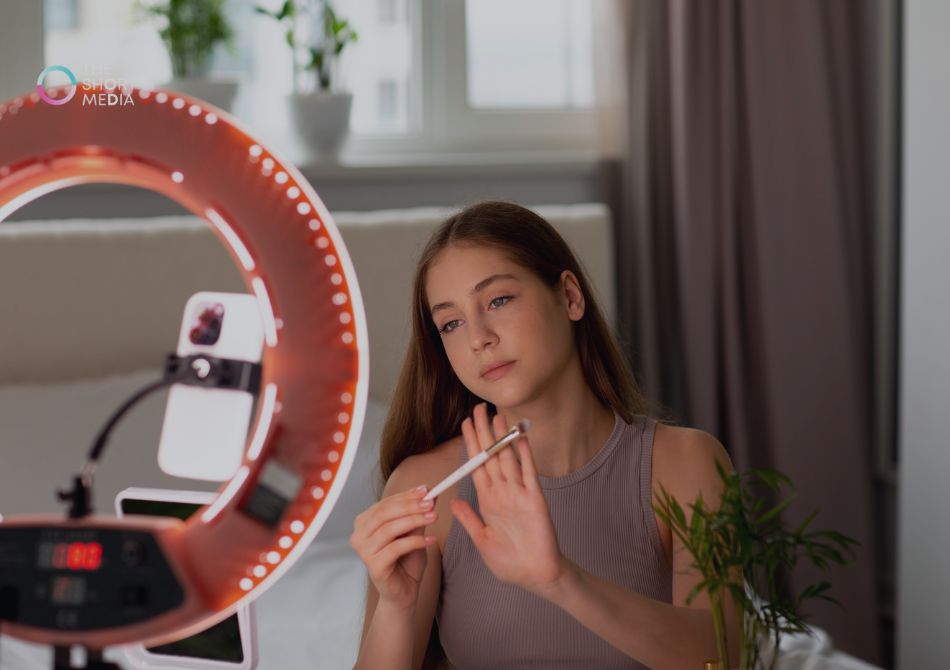
A few months ago, I was looking at a beauty brand’s TikTok account with a founder who was convinced the platform “just wasn’t for search.” Fair enough — most teams still think of TikTok as trends, creators, and paid bursts. But then we typed in a very plain phrase: *best tinted moisturiser for dry skin*. Their competitor showed up. Not with a glossy campaign video, either. It was a slightly awkward demo filmed in a bathroom mirror, with decent lighting and a caption that matched what people were actually searching.
That’s the bit many brands miss.
TikTok search isn’t Google, and it isn’t Instagram either. It’s messy, fast, heavily influenced by watch behaviour, and strangely literal in places. If you’re a UK brand trying to get found, you need to think less like a campaign planner and a bit more like a merchandiser standing in the aisle, listening to what customers actually ask.
And yes, this is exactly where tiktok marketing services can be useful — not because TikTok is impossibly complex, but because most internal teams are still set up for polished brand content, not search-led content that feels native.
TikTok search has its own logic
People don’t search on TikTok the same way they search on Google. They’re usually after proof, quick opinions, comparisons, demos, or a shortcut. A user searching “best running shoes for flat feet” doesn’t want a mission statement. They want to see the shoes on someone’s feet, hear whether they squeak, and maybe get a quick take from the comments.
For UK brands, that matters because search intent often has local texture. Think:
- “best meal prep delivery london”
- “SPF for pale skin UK”
- “sofa bed small flat uk”
- “pilates socks amazon uk”
Those searches aren’t abstract. They’re practical, often purchase-adjacent, and usually tied to a very specific problem.
A lot of tiktok digital marketing still gets built around broad awareness. Nice-looking videos, vague hooks, trend sounds used a week too late. That’s fine if you’re after reach. It’s less useful if you want to appear when someone actively searches for something relevant to what you sell.
What actually helps you rank in TikTok search
TikTok doesn’t publish a neat SEO manual, so most of this comes from testing, patterns, and watching what repeatedly gets indexed.
The basics are pretty clear though.
Say the phrase, show the phrase, write the phrase
TikTok seems to pull meaning from several places at once: spoken words, on-screen text, captions, hashtags, and user engagement. If you want to rank for “best protein powder for women UK,” don’t dance around it with clever copy. Say it in the first few seconds. Put it on screen. Use it in the caption naturally.
Not stuffed. Just clear.
I’ve seen a fitness brand post a polished product reel with a caption like “your new routine starts here” and get nowhere in search. Same product, same creator, but the next version opened with “best protein powder for women UK if you hate chalky shakes” and suddenly it started showing up. Not instantly, but enough to matter.
That’s where TikTok Marketing Services UK often earns its keep: turning vague brand messaging into language people actually use.
Your hook matters, but not in the usual “viral” way
There’s a bad habit in social teams of writing hooks that sound exciting but say very little. On TikTok search, clarity often beats cleverness.
A home products brand in the US we worked with had a cleaning gadget that sold well on Amazon, but their TikTok videos kept opening with broad lines like “you need this in your life.” Which, honestly, could mean anything. When they switched to “kitchen drain cleaner that actually reaches the bend,” the search visibility improved and comments got more specific too.
Specificity helps TikTok understand the content. It also helps users decide whether to keep watching.
That’s a big part of tiktok marketing services that gets overlooked. It’s not just ad buying or creator sourcing. It’s message discipline, in a format where people scroll fast and the algorithm is trying to classify your video in real time.
Captions and on-screen text do more work than most brands think
You don’t need an essay in the caption. In fact, over-writing usually makes things worse. But a short, direct caption that mirrors search behaviour can help.
For example:
- “Best fake tan for pale skin in the UK? Here’s the one that doesn’t go orange.”
- “Meal prep containers for small fridges — tested in a real flat kitchen.”
- “Running jacket for rainy commutes in Manchester. Honest review.”
That last part matters too. “In a real flat kitchen” sounds trivial, but it often outperforms studio content because it feels believable. I’ve seen a food demo shot on a cluttered countertop beat the expensive version by miles. Not because the brand looked less professional. Because the product looked more usable.
A lot of tiktok digital marketing underestimates how much realism affects search performance. Users search for solutions, not campaigns.
TikTok Marketing Services UK: local language wins
If you’re marketing in Britain, don’t lazily import US phrasing and expect it to land the same way. This happens all the time, especially with global brands.
“Apartment” instead of “flat.”
“Drugstore makeup” instead of “high street makeup.”
“Soccer cleats” on a UK-targeted account. Painful.
Search behaviour reflects local vocabulary. So if you want traction from TikTok Marketing Services UK, the content needs to sound like something a UK customer would actually type. That doesn’t mean cramming “UK” into every caption. It means understanding local terms, weather references, pricing expectations, and even tone.
A local services brand, say a cosmetic clinic in Leeds or a dog groomer in Bristol, can do very well with practical search-led content. “Lip filler healing day by day UK” or “cockapoo grooming short cut for muddy walks” is clunky, sure, but people search in clunky ways. You work with that.
Comments are part of your SEO research, whether you like it or not
This is one of the more useful, less glamorous parts of tiktok digital marketing. Read the comments properly.
Not just for moderation. For objections, language, and follow-up content.
I’ve seen comments do a better job than a landing page at revealing what people actually care about:
- “Does it leave a white cast on darker skin?”
- “Would this work in a rental if you can’t drill?”
- “How loud is it if you live in a flat?”
- “Can you use it after acrylics?”
- “Is this actually worth it or just TikTok hype?”
That’s your content plan right there.
If a video starts ranking for a search term, the comments often expose adjacent searches you should target next. A beauty brand might begin with “best mascara for sensitive eyes” and then realise people also want “mascara that doesn’t smudge on hooded eyes.” Slightly different problem, different video.
Good tiktok marketing services should be mining this constantly, not just sending monthly view counts.
Creator content often ranks better than brand-polished content
Not always. But often enough that it’s worth saying plainly.
A creator reading a script too perfectly usually tanks the credibility. You can almost hear the approval rounds in the phrasing. Meanwhile, a looser video where someone says, “I didn’t think this would work, but here’s what happened after three days,” tends to hold attention longer.
That doesn’t mean fake authenticity. People can smell that too.
It means making content that answers a search in a human way. A US skincare brand launching in the UK might work with creators to produce videos around “best cleanser for rosacea-prone skin” or “morning skincare under £20.” Not trend-first, not ad-first. Search-first.
This is where TikTok Marketing Services UK can be more strategic than just “find creators with good engagement.” The brief needs to leave room for natural language, product proof, and actual opinion.
Paid can support search, but it won’t fix bad content
Some brands assume they can brute-force visibility through ads. You can amplify a strong search-led video, yes. But if the content is vague, overproduced, or disconnected from how people search, spend won’t rescue it.
I’ve watched retail launch campaigns push product videos hard, only for a random organic clip — shot in-store, with a staff member explaining sizes and fit — to become the thing that actually converted. The comments were full of practical buying questions. That’s usually a sign the content is doing real work.
Strong tiktok digital marketing connects paid and organic instead of treating them like separate planets. If an organic video is pulling search traffic, build from it. Don’t replace it with something more polished just because it looks more “on brand.”
A simple workflow UK brands can actually use
You don’t need a huge production setup. You need consistency and a better ear for search language.
Start with customer questions, product objections, and category searches. Build short videos around one phrase at a time. Keep the first few seconds clear. Use on-screen text that mirrors the search. Say the phrase out loud. Then watch what comments and retention tell you.
That’s the practical side of TikTok Marketing Services UK when it’s done well. Less theatre, more pattern recognition.
And if you’re reviewing your own account, be honest. Are you making content people would search for, or content your internal team likes presenting in meetings? Those are not always the same thing.
FAQs
1. How many keywords should I target in one TikTok video?
Usually one main phrase is enough. If you try to cover five different search terms in 20 seconds, the video gets muddy fast and TikTok has a harder time understanding what it’s about.
2. Do hashtags still matter for TikTok search?
They help a bit, but they’re not the whole story. Spoken words, on-screen text, caption wording, and watch time seem to carry more weight. I wouldn’t ignore hashtags, but I also wouldn’t treat them like the magic trick.
3. Should UK brands put “UK” in every caption?
No, that gets awkward quickly. Use it where it genuinely matches search behaviour, especially for products with local relevance, shipping constraints, sizing, or regulation differences.
4. Can small brands rank in TikTok search, or is it mostly big accounts?
Small brands can absolutely rank. In some categories they do better because the content feels less processed. A useful demo filmed in someone’s kitchen can beat a polished brand asset. Happens all the time, actually.
5. What kind of videos tend to rank best?
Product demos, comparisons, reviews, “before you buy” style videos, tutorials, and direct answers to specific questions. The common thread is usefulness, not production value.