
A few months ago, I watched a perfectly decent brand video die in the first three seconds.
It had the usual ingredients: clean lighting, polished edit, a nice-looking product shot, and a script that had clearly been approved by six people. It looked expensive. It also looked like an ad, immediately, which on TikTok is often the problem.
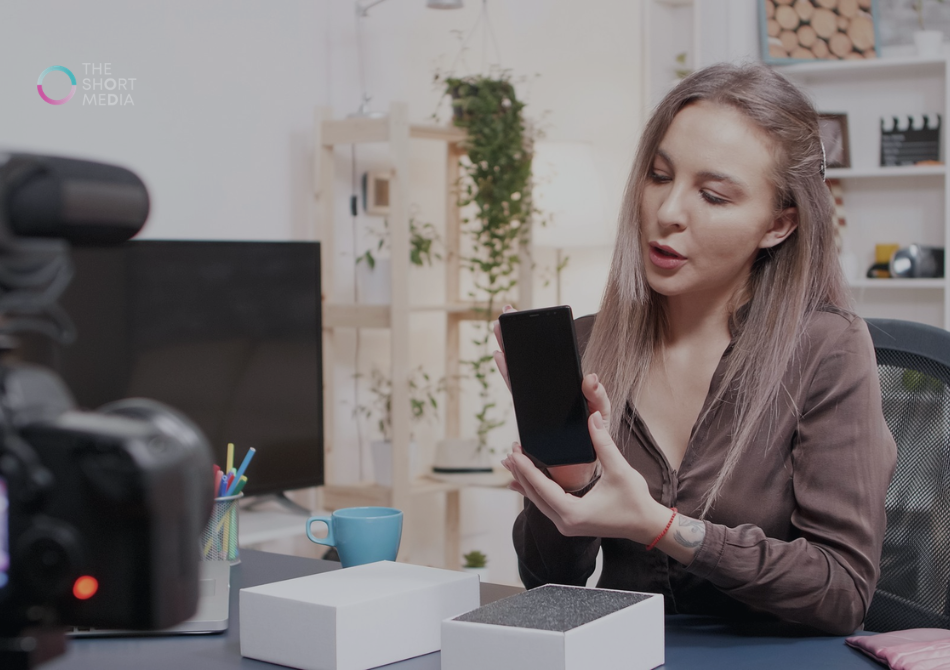
Then the brand posted a rougher version. Same product. Same offer. Different approach. Shot on a phone, in a real kitchen, with someone slightly fumbling the packaging and saying what they actually liked about it. That one pulled comments, saves, click-throughs, and, more importantly, sales.
That’s the bit people still underestimate about tik tok brand marketing Uk. It isn’t just about “being on the platform”. It’s about understanding the gap between what a brand wants to say and what people will actually watch long enough to care about.
And if you’re in the UK, the opportunity is very real. Not theoretical. I’ve seen beauty brands, food startups, Amazon sellers, and retail names all get very different kinds of traction from marketing on tiktok—but only when they stop treating it like a smaller version of Instagram or a younger version of Facebook.
What tik tok brand marketing Uk looks like when it’s working
The strongest TikTok brand accounts in the UK usually don’t feel like brand accounts at all. They feel like proximity. Someone showing, testing, comparing, reacting, admitting a flaw, explaining a use case you hadn’t considered.
That matters because TikTok users tend to punish anything too polished, or too delayed. I’ve seen brands jump on a trend nearly two weeks late because legal sign-off took forever. By the time it went live, the comments were brutal. Not because the video was awful, just because it felt out of sync.
Good tik tok brand marketing Uk usually has a few things going on:
- fast creative turnaround
- creator-style content that doesn’t sound over-rehearsed
- clear product proof
- comments feeding back into the next round of videos and landing page tweaks
That last part gets missed. Comments are often better than survey data. If people keep asking whether a supplement tastes chalky, whether a cleaning product works on grout, or whether a skincare item pills under SPF, that’s not just engagement. That’s conversion friction, handed to you for free.
Case study: a UK beauty brand stopped selling and started showing
A mid-sized beauty brand I worked alongside had a familiar problem. Their paid social creative looked premium, but performance on TikTok was patchy. Strong reach, weak purchase intent. The videos were saying all the right things—clinically tested, dermatologist approved, blah blah—but nobody really cared.
The shift came when they changed the format.
Instead of founder-to-camera explainers and studio product shots, they briefed creators to film “first try” routines in normal bathrooms with normal lighting. Not ugly content, just believable content. One creator even left in a tiny awkward pause while trying to open the cap. Weirdly, that helped. It didn’t feel manufactured.
The result? Better hold rates, more comments about skin concerns, and a much healthier cost per acquisition once those videos moved into paid. This is where marketing on tiktok gets interesting: the organic-style asset often becomes the best-performing ad, even if no one in the boardroom would have picked it.
A decent tiktok advertising agency will usually spot that early. The bad ones keep trying to force TV-style ad logic into a feed that doesn’t reward it.
Food brands do well here, but not for the reason people think
Food and drink brands often assume TikTok is all about recipes or trend-led entertainment. Sometimes it is. But I’ve seen UK food brands get stronger ROI from very simple product-use videos.
One snack brand tested glossy campaign edits against creator clips filmed in a shared flat kitchen. The creator wasn’t especially slick. She just showed when she actually ate the product—mid-afternoon, before the gym, while working from home—and mentioned the flavour she didn’t expect to like.
That beat the polished version comfortably.
Why? Because it answered the real buying question. Not “what is this brand about?” but “where does this fit into my day?” A lot of marketing on tiktok works better when it closes that gap.
For challenger food brands in particular, TikTok can act like a trial engine. Not in some abstract awareness sense. In a very practical sense. Someone sees the product three times, notices comments about taste, spots it in Tesco or on Amazon, and gives it a go.
Retail launches and the messy middle
Retail launches are where tik tok brand marketing Uk can get very measurable, very quickly.
A home product brand launching into UK retail used TikTok to support store demand, but the first round of content was too generic. Nice visuals, no urgency, no context. Once they shifted to “found this in-store” style videos, shelf clips, and side-by-side comparisons against a more expensive alternative, things improved. Search volume moved. Store locator traffic picked up. Retail partners started asking for more support.
This is also where a tiktok advertising agency can earn its fee, if they’re any good. Not by throwing budget at broad targeting, but by building creative that reflects how people actually discover products. Sometimes that means creator whitelisting. Sometimes Spark Ads. Sometimes just cutting five versions of the same hook because the first line is doing all the heavy lifting.
I’ve seen a product demo filmed on a kitchen counter outperform a studio ad by a ridiculous margin. Not a little better. Meaningfully better. The expensive version explained features. The kitchen version showed a stain coming off in real time. That was enough.
Why ROI on TikTok often looks uneven before it looks good
A lot of teams get twitchy because TikTok performance rarely looks tidy at the start.
One creator overperforms for no obvious reason. Another reads the script too perfectly and tanks. A video with average watch time still drives conversions because the right people saw enough. Then a comment thread reveals the offer is confusing, or that your product name means nothing without a demo.
That’s normal.
Marketing on tiktok isn’t usually a “launch campaign, wait for results” channel. It’s more iterative than that. You learn from comments, retention drop-off, click behaviour, creator tone, even little things like whether the product appears in the first second or the fifth.
The brands that get ROI tend to accept that messiness instead of trying to iron it out too early.
Working with a tiktok advertising agency without wasting money
Not every brand needs outside help, but plenty do. Especially if your internal team is strong on paid media and weaker on platform-native creative.
A useful tiktok advertising agency should be able to do more than media buying. They should know how to brief creators, how to test hooks properly, how to repurpose organic winners into paid assets, and when to kill a concept that looked good in a deck but clearly isn’t landing.
A few signs you’re dealing with the wrong tiktok advertising agency:
- they talk more about trends than product-market fit
- they keep recommending overly polished edits
- they can’t explain why one hook worked better than another
- they treat creators like actors reading ad copy
That last one is a killer. The moment a creator sounds like they’re reciting approved messaging, performance usually drops. People can smell it. Fast.
A strong tiktok advertising agency will protect some looseness in the content. Not chaos. Just enough room for the person on camera to sound like a person.
The real lesson from tik tok brand marketing Uk
The UK market has its own flavour on TikTok. Humour tends to be drier. Audiences are quick to call out anything try-hard. Comment sections can be brutally useful. But the main lesson is less cultural than operational.
The brands seeing returns from tik tok brand marketing Uk are usually the ones willing to make more creative, more often, with less ego attached to the polished version. They test ugly-ish drafts. They pay attention to comment patterns. They stop assuming the fanciest asset is the strongest asset.
And they don’t expect marketing on tiktok to behave like Meta, YouTube, or TV.
That’s usually the turning point.
FAQ's
How long does it take to see ROI from TikTok marketing?
Sometimes you’ll get signals in a week—clicks, saves, cheaper traffic, stronger engagement on certain hooks. Actual return can take longer, especially if you need a few rounds of creative testing first. Brands that expect instant consistency usually get frustrated too early.
Is TikTok only useful for younger audiences?
Not really. It depends more on the product and the buying context than people admit. I’ve seen home products, supplements, and even local services perform well with audiences that definitely weren’t teenagers.
Should brands focus on organic content before paid?
Usually, that helps. Not because organic is magically better, but because it gives you cheap creative feedback. You can see what people respond to before putting proper spend behind it.
What kind of TikTok content tends to convert best?
Demos, comparisons, problem-solution clips, “I didn’t expect this to work” style creator content. Also, very plain videos filmed in real environments. A kitchen beats a studio more often than brand teams would like.
Do UK brands need UK creators?
For many campaigns, yes. Accent, humour, references, and shopping habits all matter more than people think. A US-style read on a UK product can feel slightly off, and sometimes that’s enough to hurt performance.