
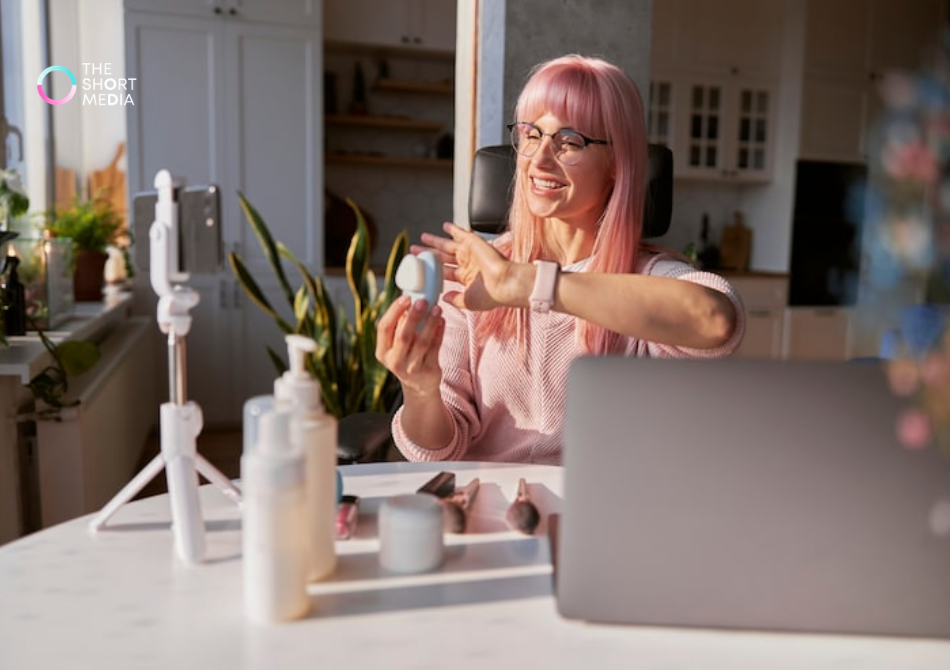
A few months ago, I watched a small skincare brand from Manchester send out a batch of products to creators with a beautifully printed brief, polished talking points, and very clear brand language. The videos came back looking expensive. Also a bit dead.
Same product, same creators, second round: less script, more room for them to film in their own bathrooms, bedrooms, even one slightly chaotic kitchen with bad lighting. Sales moved. Comments got better too. People asked where to buy, whether it worked on sensitive skin, whether it was on TikTok Shop. That’s usually the bit people miss. It’s not just about reach. It’s about whether the content feels like it belongs on the app and whether the buying path is stupidly easy.
That’s really where tiktok influencer marketing is getting interesting for emerging UK brands. Not because every campaign works. Plenty don’t. But smaller brands are often beating bigger ones because they’re faster, less precious, and more willing to let creators sound like themselves.
Why tiktok influencer marketing suits smaller UK brands
The obvious assumption is that bigger budgets win. On TikTok, that’s not always how it plays out.
A challenger food brand in London can get more traction from 15 micro-creators filming honest taste tests than a national brand dropping one glossy hero ad nobody finishes. I’ve seen a home product brand get stronger conversion from a creator demo shot on a cluttered worktop than from agency-produced content that cost ten times more. Slightly annoying if you were the agency, but there it is.
For emerging brands, tiktok influencer marketing works best when it doesn’t look over-managed. That’s especially true in categories where people want proof, not polish. Beauty. Fitness. Household products. Amazon finds. Even local services, actually. A mobile car detailing business can do well if creators show the before-and-after properly and don’t oversell it.
UK brands also have a small edge when they lean into local context instead of trying to sound like generic internet brands. A creator saying they picked something up after seeing it all over their For You Page is one thing. A creator mentioning they found it while looking for a decent lunch option in Shoreditch, or a budget-friendly activewear set that didn’t fall apart after one wash, lands differently. More believable. More specific.
The brands doing well aren’t chasing the biggest creators
This is where a lot of teams waste time.
They build a wishlist full of creators with huge followings, then act surprised when the content underperforms or the fee wipes out any margin. For most emerging brands, especially in e-commerce, the better move is usually creators with smaller but more responsive audiences.
Not tiny for the sake of it. Just relevant.
A UK haircare startup selling textured hair products will often get more value from five creators whose comments are full of genuine hair routine questions than one broad lifestyle creator who can make anything look nice for 12 seconds. You can actually see the difference in the comments. Real objections come out there. “Does this leave build-up?” “Would this work on 4C hair?” “Can you get it in Boots or only online?” Those are useful. Sometimes more useful than the sales page, if I’m honest.
That’s one reason tiktok influencer marketing has become less of a vanity play and more of a creative testing channel. Good brands aren’t only buying exposure. They’re buying learning.
TikTok Shop changed the pace
When TikTok Shop started becoming a serious sales channel, a lot of brands treated it like an add-on. Post some affiliate content, maybe run a few samples out, see what happens. The ones getting results took it more seriously than that.
They made the product page decent. They sorted fulfilment. They gave creators a reason to push now rather than vaguely mention the product and disappear. And they understood that TikTok Shop rewards momentum. If a product gets a burst of creator content, backed by paid amplification and a clean conversion path, things can move quickly.
I’ve seen UK beauty and supplement brands get stuck because they spent all their energy on creator outreach and almost none on the shop setup. Messy images, weak product titles, no urgency, poor reviews handling. Then they blame the creators. Usually unfair.
The better operators treat TikTok Shop as part storefront, part conversion engine, part feedback loop. If comments keep asking the same thing, fix the PDP. If one creator’s angle keeps converting, brief three more around that angle. If a bundle is working, don’t bury it.
And yes, some categories are naturally easier. Impulse-friendly products under £30 tend to move faster on TikTok Shop than considered purchases. But that doesn’t mean higher-ticket brands should ignore it. It just means the content has to do more of the heavy lifting.
What good creator briefs actually look like
Not longer. Better.
The worst briefs are usually the most “complete.” Pages of messaging, mandatory phrases, a trend reference that was old two weeks ago, and a list of things the creator must not say. You can spot the result immediately: they read the script too perfectly, pause in weird places, and the comments go quiet.
A useful brief gives structure without flattening the creator’s voice. It might include:
- the product truth you need them to show
- one or two key objections to address
- what not to claim for legal reasons
- whether the goal is awareness, clicks, or direct TikTok Shop sales
That’s enough more often than people think.
For brands using tiktok marketing services, this is where a good partner earns their keep. Not by making everything sound more corporate. By translating brand goals into content that still feels native. The decent agencies and freelance teams know when to leave a line alone, when to ask for a stronger hook, and when a creator is clearly wrong for the product even if their metrics look nice on a spreadsheet.
Paid social teams matter more than they admit
A lot of winning campaigns don’t stay purely organic.
One of the smartest setups for emerging brands is creator content built for both organic posting and paid usage. Not every video should become an ad, obviously. But when a creator nails the angle, there’s no reason to let it sit there unsupported if the economics work.
This is where tiktok marketing services often become practical rather than theoretical. Someone has to manage whitelisting, usage rights, Spark Ads, testing, creative rotation, and reporting that goes beyond “views were strong.” Because views can be completely useless. I’ve had clients celebrate a video with a few hundred thousand views while their lower-view creator drove nearly all the attributed sales.
The stronger UK brands are connecting these dots earlier now. Creator seeding. Paid amplification. TikTok Shop integration. Landing page tweaks based on comment themes. It’s less glamorous than “viral strategy,” but it works.
The content that tends to convert isn’t always the prettiest
This still catches people out.
A premium kitchenware brand wants everything to look pristine. Fair enough. Then a creator films the product while actually cooking dinner, talks through one annoying issue it solved, and suddenly that rougher video outperforms the studio edit. Why? Because it answered the shopper’s real question in three seconds.
Same with beauty. A creator applying foundation in natural daylight, mentioning oxidation, showing texture on the skin up close — that often beats polished campaign footage. Not always. But often enough that brands should stop pretending polish is the same thing as persuasion.
For teams buying tiktok marketing services, I’d push for reporting that includes qualitative notes, not just performance tables. Which hooks got people arguing in comments? Which demos kept getting saves? Which creator sounded credible versus just enthusiastic? Those details help shape the next round.
UK brands have a timing advantage, if they use it properly
Emerging brands can move faster than legacy businesses. They can approve creators quicker, test offers without six meetings, and react when something starts working. That speed matters on TikTok because trends age badly. Sometimes within days.
I’ve watched brands join a format after it’s already been rinsed by everyone else. You can almost feel the audience clock it. On the other hand, I’ve seen smaller brands jump on a relevant sound or content style early, adapt it to their product without forcing it, and get a week of strong performance out of it before the bigger players even sign off the brief.
That’s not luck. It’s operational.
And if you’re using tiktok marketing services, speed should be part of the value. Fast creator sourcing. Fast approvals. Fast iteration when a message isn’t landing. If every edit takes a week, you’re not really built for the platform.
What emerging brands should stop doing
A few things, honestly.
Stop treating creators like actors for your ad script. Stop choosing people purely on follower count. Stop assuming your brand guidelines are more important than audience trust. And stop separating creator campaigns from commerce setup as if content and conversion live on different planets.
The emerging UK brands winning with tiktok influencer marketing usually look less polished from the outside and more organised behind the scenes. They know what they’re selling, who they need to convince, and what sort of creator can make that case credibly. They’re not trying to control every word. They’re trying to create the conditions for believable content and easy buying.
That’s a much better use of budget.
FAQ's
How many influencers should a small UK brand start with?
Usually 10 to 20 creators gives you enough variation to spot patterns without burning budget too quickly. If you only test two or three, it’s easy to draw the wrong conclusion from one weak brief or one creator mismatch.
Do you need TikTok Shop set up before running influencer campaigns?
Not always, but it helps a lot if the product is impulse-friendly and priced for quick purchase. If you’re asking creators to drive demand and then sending people off-app to a clunky site, expect some drop-off.
Are micro-influencers better than larger creators?
Often, yes, especially for early-stage testing. A smaller creator with a tight audience and believable product fit can outperform a much bigger name who’s posting three sponsored videos a week and sounding tired.
What kind of products work best on TikTok Shop?
Beauty, snacks, supplements, gadgets, home organisation bits, cleaning products, and low-friction fashion tend to move well. Products that need a visual demo usually have an easier time on TikTok Shop than products that need lots of explanation.
Should brands use agencies or manage creators in-house?
Depends on your team. If you’ve got someone in-house who understands creator selection, briefing, usage rights, and paid social, you can absolutely manage it yourself. If not, good tiktok marketing services can save a lot of wasted spend — assuming they’re actually hands-on and not just passing spreadsheets around.