
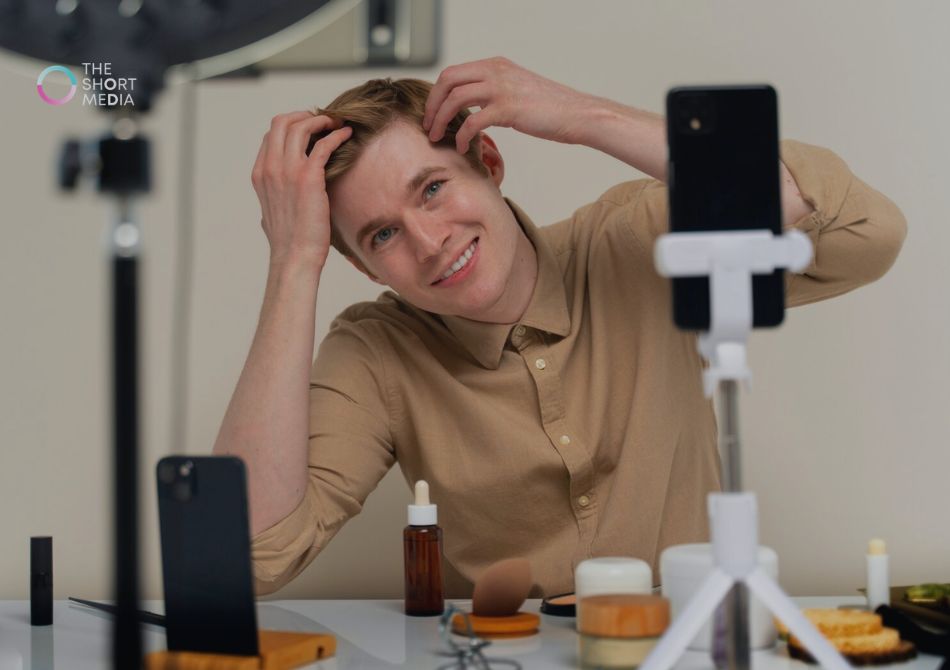
A skincare founder once told me she knew her team had a TikTok problem when their “ad” got comments saying, “Wait, is this sponsored?” and their organic post got comments asking where to buy. Same product. Same creator. Different editing. The ad had cleaner lighting, a tighter script, and a CTA that landed a bit too neatly. The organic post was filmed in a bathroom mirror, with the creator stumbling over one line and laughing halfway through. Guess which one got cheaper clicks.
That’s the weird, useful, slightly annoying thing about TikTok Ads right now: the line between content and advertising isn’t just thin, it’s constantly moving. And if you’re a brand trying to scale on the platform, that matters more than any trend forecast.
A lot of teams still approach TikTok like they’re buying media on older social platforms. They want polished assets, fixed brand language, and a campaign structure everyone can sign off on in advance. Then the ad goes live and gets ignored because it feels like an ad from the first second. On TikTok, people don’t necessarily reject advertising. They reject content that arrives with the wrong posture.
Why TikTok Ads work when they don’t look too “ad-like”
This is where people get a bit simplistic. It’s not that all polished content fails, and it’s not that shaky phone footage automatically wins. I’ve seen beautifully shot beauty ads perform well for prestige brands. I’ve also seen rough creator clips tank because the creator read the script like they were doing compliance training.
What tends to work in TikTok Ads is content that understands the native pacing of the feed. It gets to the point quickly, gives you a reason to keep watching, and doesn’t announce itself like a pre-roll from 2018.
A home products brand in the US tested two versions of the same mop demo. One was filmed in a studio with branded graphics and a voiceover. The other was shot in a real kitchen with a parent muttering about spilled juice and dog hair. The kitchen version wasn’t perfect. The lighting was a bit off. But the comments were full of people tagging partners and asking where to get it. The studio version looked expensive and felt expensive too, in the wrong way.
That’s the tension. TikTok has trained users to watch content that feels discovered, not delivered.
The creative gap most brands still haven’t fixed
A lot of businesses know they need platform-native creative, but they still build it through a traditional ad approval process. By the time the video is reviewed by legal, brand, paid social, and three people who don’t even use TikTok, the trend is stale and the script has lost all texture.
This is usually where a good tiktok ads agency earns its keep. Not by throwing around jargon, but by protecting speed and realism. The better agencies know when to leave a line slightly messy because that’s how a person would actually say it. They know a creator pausing before the product reveal can outperform a cleaner edit. They know comments often reveal objections the landing page missed.
I’ve seen this with food brands, especially snack launches. A brand wants creators to hit every product benefit in 20 seconds. Gluten-free, high protein, low sugar, available at Target, family-friendly, chef-developed. Fine on paper. In the feed, it sounds like a checklist. A smarter tiktok ads agency will usually strip that back and let the creator focus on one believable angle, like “I bought these because I needed something for the 3pm crash and didn’t want another chalky protein bar.”
That lands differently.
The rise of ads that borrow from creators, not commercials
There’s a reason creator-led ads keep showing up in paid accounts. They often carry over the social cues people already trust on the platform: direct eye contact, a personal setup, a lived-in background, a voice that doesn’t sound approved by committee.
Not every creator is good at this, by the way. Some are great organically and terrible in paid. The second they know it’s an ad, they over-explain. Or they smile through every line. Or they hit the CTA like they’re reading a radio script. You can feel it.
A decent tiktok ads agency won’t just source creators with followers. It’ll source creators who can sell casually. That’s a different skill. For an Amazon product, maybe it’s someone who can show the before-and-after in eight seconds without sounding like they’re trying too hard. For a fitness app, maybe it’s someone who can talk through why they nearly cancelled, then kept using it. Tiny difference, big performance gap.
And this is where brands sometimes get uncomfortable. The content that works may not look exactly how they imagined the brand should appear. The logo might not show up until later. The hook might start with a complaint. The kitchen counter might be cluttered. Still, if the ad feels believable, it usually has a better shot.
What a tiktok ads agency should actually help with
Plenty of businesses hire a tiktok ads agency expecting media buying alone. Useful, sure, but that’s not enough anymore. Creative strategy is the whole thing, or close to it.
A strong tiktok ads agency should be helping with:
- creative testing angles, not just editing versions of the same script
- creator briefing that leaves room for natural delivery
- comment mining for objections, language, and hooks
- landing page feedback when ad comments expose friction
- identifying when an ad should feel more like a demo, a review, or a story
That last one gets overlooked. A beauty product often needs proof on camera. A local service might need trust and familiarity more than aesthetics. A retail launch may need urgency tied to where the item is actually stocked. Different jobs, different creative.
I’ve watched a US dental brand learn this the hard way. Their ads kept leading with “book your consultation today,” which sounded fine in a meeting and flat in the feed. Once they shifted to creators talking about what they wish they’d known before starting treatment, watch time improved, comments got more specific, and the paid traffic stopped feeling so cold.
That kind of adjustment usually comes from experience, and yes, from a tiktok ads agency that’s paying attention beyond CPMs.
TikTok Ads are turning media buying into editorial judgment
This is the part some performance marketers don’t love. Buying TikTok Ads isn’t just about audience setup and budget pacing. It increasingly depends on taste. Editorial instinct. Knowing whether a hook feels current or already tired. Knowing when a trend is still usable and when the brand has missed the window by two weeks.
I’ve seen retail brands jump on a sound after it was already rinsed by half the platform. Everyone internally was excited because they’d finally approved it. By then, users had moved on. You could feel the lag.
A sharp tiktok ads agency will usually act more like a newsroom than a traditional media shop. Testing quickly. Killing weak concepts early. Recutting based on hold rate, not internal preference. Spotting when a product demo filmed on a countertop beats the expensive studio asset everyone assumed would win.
That doesn’t mean strategy disappears. It just means strategy has to survive contact with the feed.
The brands doing this well are less rigid
The strongest TikTok advertisers I’ve worked with aren’t always the loudest or the biggest. They’re usually the ones willing to let the platform shape the execution a bit.
They don’t insist every ad open with the logo.
They don’t cram five messages into one video.
They don’t confuse “on-brand” with “over-controlled.”
For TikTok Ads, that flexibility matters. Especially for DTC brands, beauty launches, food products, home gadgets, even local services trying to look less like a brochure and more like a person. If your ad can sit in the feed without immediately triggering the “skip, this is marketing” reflex, you’ve already improved your odds.
And if you’re struggling to get there, this is usually where a tiktok ads agency can help most: not by making your ads louder, but by making them feel more native, more watchable, and frankly less self-conscious.
That’s really what’s happening on TikTok. Content and ads aren’t separate lanes anymore. They borrow from each other constantly. The brands that understand that tend to make better creative. The ones that don’t keep producing ads that look approved and perform like it.
FAQ's
1. Do TikTok ads need to look like organic posts to work?
Not exactly. They need to feel native to the feed. Sometimes that looks scrappy, sometimes it’s more polished, but if it feels too staged too early, people usually scroll.
2. Is it better to use creators or make brand-owned content?
Usually both. Creator content often gives you speed and credibility, while brand-owned content helps with consistency and product accuracy. The trick is not forcing creator videos to sound like internal brand copy.
3. What does a tiktok ads agency do that an in-house team might not?
Mostly speed, pattern recognition, and creative volume. A good tiktok ads agency has seen enough hooks, creators, and testing rounds to spot weak ideas before you spend too much on them. They also tend to be less emotionally attached to the polished version.
4. How many creatives should a brand test each month?
More than most teams think. If you’re serious about paid TikTok, testing two or three videos and hoping for a winner usually isn’t enough. Even smaller brands should be trying multiple angles, not just multiple edits.
5. Are polished videos always a bad fit for TikTok?
No. They just need the right pacing and setup. Beauty and fashion brands can absolutely make polished creative work, but if it opens like a glossy campaign film, results often get shaky.