
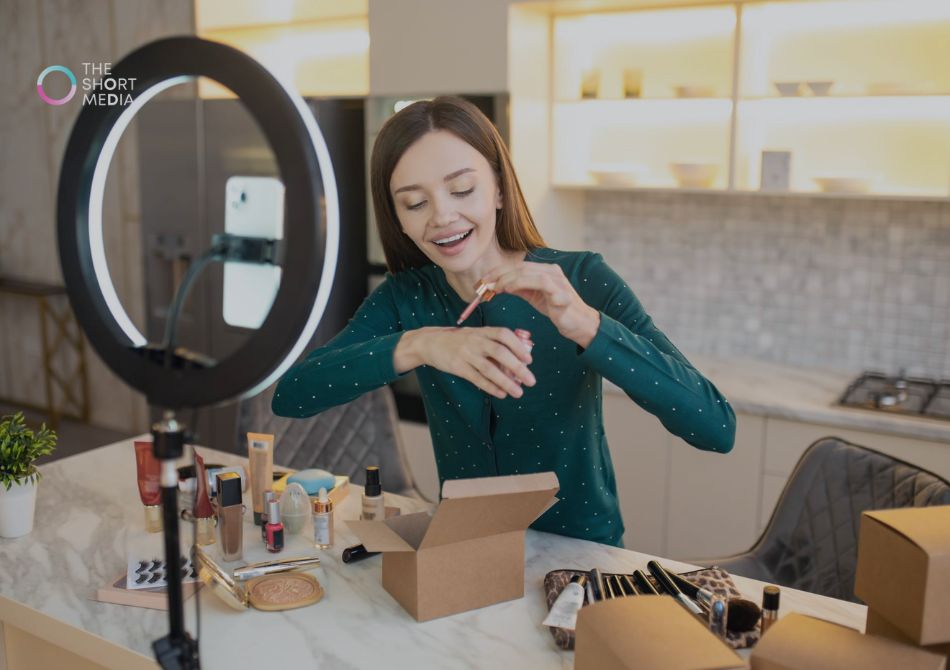
I’ve watched brands spend three weeks reviewing a 20-second TikTok, only for a creator to post a rough cut filmed by a kitchen window and beat it by a mile.
That’s not a cute little creator myth. It happens all the time.
A beauty brand will obsess over lighting, packaging placement, legal copy, and whether the founder’s voiceover sounds “premium enough.” Then someone posts a slightly awkward demo showing the cleanser taking off mascara at the sink, and comments start rolling in: *Does it sting?*, *Will this work on lash glue?*, *Why is no one talking about the smell?* Suddenly you’ve got better market research than the landing page ever gave you.
That’s the thing with TikTok. The platform doesn’t really reward polish for its own sake. It rewards relevance, timing, curiosity, and the willingness to try things that might not work. If you’re treating it like a TV ad shoot with a vertical crop, you’re usually late before you even publish.
For a TikTok Agency, this is where the real work starts. Not in making everything look flawless. In building a system where testing is normal, fast, and useful.
A TikTok Agency should be testing more than it’s polishing
A lot of brands come in wanting “a TikTok strategy,” but what they actually want is certainty. They want to know the exact creative angle, the exact hook, the exact creator profile, the exact spend level that will produce results without any awkward misses.
That’s not how this platform behaves.
A good TikTok Agency will usually set expectations early: some videos will flop, some creator briefs will feel right on paper and land flat, and some ugly little edits will outperform the expensive ones. That’s not failure. That’s the process.
I’ve seen a home products brand shoot beautifully styled content in a spotless studio kitchen. It looked expensive. It also looked like an ad. Then a creator filmed the same storage container set while actually reorganising a chaotic cupboard, narrating the whole thing in one take, and that version pulled stronger watch time and better click-through. Not because it was “authentic” in some vague way. Because it showed the mess, the use case, and the payoff in about six seconds.
Perfection often slows down the one thing TikTok needs most: volume with feedback.
And not random volume, either. Useful volume. Different hooks. Different opening frames. Different creator types. Different objections answered. Different levels of product education.
That’s why experienced tiktok marketing partners don’t just ask for brand assets and a media budget. They ask what’s already been tested, what comment themes keep appearing, what customers complain about after purchase, what Amazon reviews mention, what the founder hates hearing in sales calls. That stuff becomes creative.
The brands that improve fastest usually look a bit scrappier at first
This can be uncomfortable, especially for established brands.
Retail teams want consistency. Founders want control. Legal wants approvals. Everyone wants the content to feel “on-brand,” which is fair, until “on-brand” means every video starts sounding like a brochure.
The brands that get traction tend to loosen up a little. Not in a reckless way. Just enough to let creators sound like themselves and let the content breathe.
I worked on campaigns where the worst-performing videos had one thing in common: the creator read the script too perfectly. You could hear the brand voice sitting on top of their own voice. It killed the pace. People scrolled.
Meanwhile, a food brand sent products to a mix of creators, and one of them ignored half the talking points and just cooked with the sauce while complaining that her kids never eat anything “with bits in it.” That line pulled comments from actual parents. Some were joking, some were asking where to buy, some were debating texture. Messy, but useful. The ad account liked it too.
This is where tiktok marketing partners earn their keep. They know when to protect the message and when to stop overhandling it.
Why experimentation beats the “perfect creative concept”
There’s usually a moment in internal brand meetings where someone says, “Let’s wait until we have the right concept.”
I get why that happens. Nobody wants to waste budget. But waiting for the perfect concept often means missing the timing, the trend window, or the chance to learn something cheap before scaling.
TikTok creative improves through iteration, not through a single brilliant brainstorm.
A fitness brand might test:
- a trainer-led demo
- a customer transformation story
- a “mistakes people make” angle
- a stitched reaction to a common gym myth
- a product comparison shot on an iPhone in bad fluorescent light
One of those will usually reveal a stronger direction than the original deck did. Maybe the myth-busting angle gets saves. Maybe the rough comparison gets comments from people asking where to buy. Maybe the trainer content looks credible but feels too familiar. You don’t know until it’s live.
The better tiktok marketing partners build creative around that reality. They don’t promise a magic format. They set up testing loops.
That matters for paid social teams too. If your ad account is relying on three “hero” videos and all of them were overproduced, you’ve boxed yourself in. A healthier setup has more variation and more texture. Different levels of intent. Different creator energy. Different stages of awareness.
A strong TikTok Agency will usually think in batches, not masterpieces.
Comments tell you what the brief missed
This is one of the most underrated parts of TikTok marketing.
Comments are often where you find the real objections. Not the ones from your internal positioning doc. The actual ones.
For a skincare product, comments might reveal people are worried about pilling under makeup, not just ingredients. For a cleaning product, they might care whether the scent lingers around pets. For a local service brand, people may keep asking if the offer applies outside one postcode because the video wasn’t clear enough.
That’s gold.
Good tiktok marketing partners don’t treat comments as a side effect. They mine them for the next round of hooks, scripts, paid angles, landing page edits, even email copy.
I’ve seen comments do more for messaging than a formal survey. Especially for DTC and Amazon products, where buyers are blunt and weirdly specific. Someone will ask if the organiser fits under a sink with a garbage disposal. Someone else will say the before-and-after looked fake because the “before” was too tidy. That tells you exactly what to fix in the next shoot.
tiktok marketing partners need speed, but not chaos
There’s a difference between being experimental and being sloppy.
You still need structure. Clear testing themes. Creator selection standards. Performance benchmarks. A way to separate “bad idea” from “bad execution.”
The strongest tiktok marketing partners usually have a rhythm to how they work:
test a few hooks, spot the retention drop, adjust the opening, swap creators, reframe the offer, test again.
Not glamorous. Effective.
This matters even more when a brand is selling across multiple channels. A product that’s launching in Target in the US may need one kind of creative. An Amazon listing push may need another. A local service business trying to drive leads in a single metro area needs something else entirely. TikTok doesn’t flatten those differences. It exposes them.
A decent TikTok Agency will know that a retail launch video and a conversion ad should not sound like twins.
Perfection usually shows up too late
There’s also a timing problem here.
Brands often join trends after they’ve already gone stale. By the time the concept is approved, captioned, reviewed, and signed off, the sound has been used to death and the joke feels tired. You can almost feel the lag in the post.
That’s why experimentation matters beyond creative quality. It helps you move while the platform is still interested.
Some of the best-performing work isn’t built around trends at all, by the way. It’s built around tension. A weirdly satisfying demo. A blunt comparison. A founder saying the quiet part out loud. A creator showing the product in a real routine instead of a staged one.
I’ve seen a home gadget filmed on a cluttered worktop beat the “clean” version because viewers could instantly tell it was being used in a normal house. No set dressing. Just toast crumbs and bad overhead lighting. It worked.
That kind of result tends to annoy teams that are attached to polish. Fair enough. But TikTok doesn’t hand out points for effort.
What brands should actually look for in tiktok marketing partners
If you’re choosing between agencies or specialist teams, I’d pay less attention to who talks the most about virality and more attention to how they talk about testing.
Ask how they handle failed creative.
Ask what they do with comment insights.
Ask how often they refresh hooks.
Ask whether they can explain *why* a creator underperformed without hiding behind vague language.
The best tiktok marketing partners are usually pretty direct. They’ll tell you when the brief is too stiff. They’ll tell you the product needs a better demo. They’ll tell you the founder script sounds like it was edited by six people. Helpful, if slightly painful.
A smart TikTok Agency doesn’t chase perfection. It builds a repeatable way to learn faster than your competitors.
And honestly, that’s usually what wins. Not the prettiest edit. Not the fanciest production day. The team that notices what the audience is reacting to, adjusts quickly, and keeps going.
FAQ's
1. How many creative tests should a brand run on TikTok each month?
More than most brands are comfortable with. If you’re only testing two or three videos, you’re probably learning too slowly. Even a modest programme should be trying multiple hooks, creator styles, and use cases each month.
2. Do polished videos ever work on TikTok?
They do. Especially for product launches, beauty visuals, or brands with strong visual appeal. But polished only works when it still feels native to the feed. If it looks like an ad first and a TikTok second, performance often drops.
3. Are tiktok marketing partners only useful for big brands?
Not really. Smaller DTC brands, Amazon sellers, and even local services can get a lot from experienced tiktok marketing partners, especially if they don’t have in-house creative testing systems. The key is finding a team that understands your budget reality.
4. What’s the biggest mistake brands make with creators?
Over-scripting them. You can usually tell when a creator has been forced into brand language they’d never use in real life. The read gets stiff, the pacing dies, and comments get quiet.
5. Should TikTok content always follow trends?
No, and chasing every trend is a good way to make average content faster. Some of the strongest performing videos are simple demos, comparisons, or problem-solution clips with no trend attached at all.