
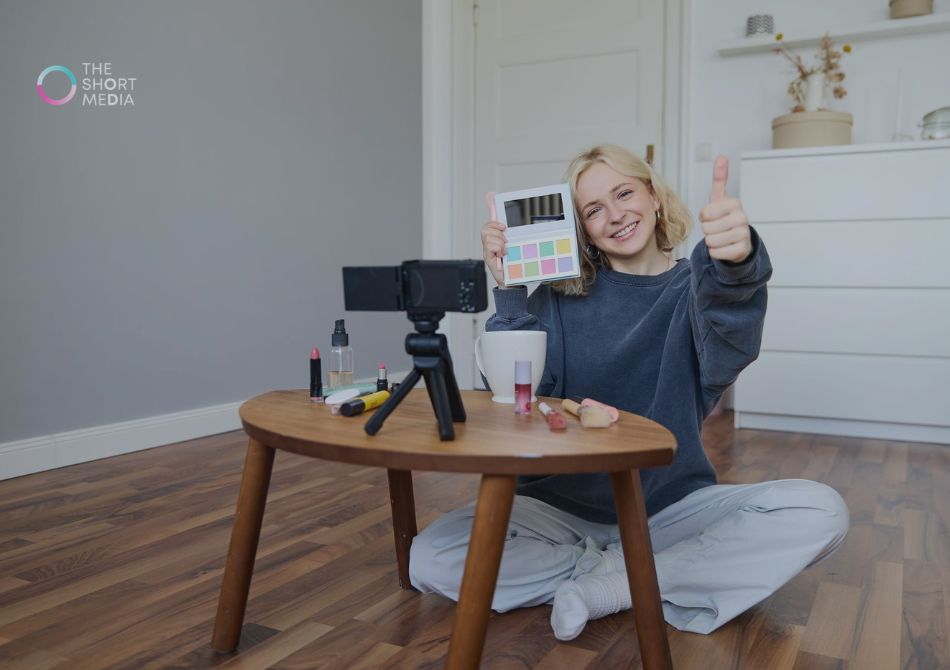
I’ve seen this happen more times than I can count: a brand takes its polished Meta ad, crops it to vertical, adds captions, pushes spend behind it on TikTok, and then wonders why the comments are dead and the CPA is ugly by day three.
Then someone on the team films a quick product demo on an iPhone. Bad lighting, kitchen counter, slightly rushed voiceover. That version starts pulling saves, comments, and actual purchases.
That gap tells you most of what you need to know about TikTok. The ads that work there don’t just *fit* the feed visually. They’re built with the same logic as the content people already watch.
That’s why tiktok ads services that actually know the platform tend to look less like traditional media buying and more like a mix of creative direction, creator management, comment mining, and fast editing.
Why TikTok advertising services work better when they start with content instincts
A lot of tiktok advertising services fail because they begin with targeting and budget structure before they’ve figured out whether the creative belongs on the platform at all.
TikTok users can smell an ad pretty quickly. Not because they hate ads, exactly. They hate content that feels imported. A founder speaking directly to camera about why their protein powder doesn’t clump in iced coffee? Fine. A glossy studio spot with a slogan floating over B-roll? Usually not great.
I worked on a beauty account where the highest-performing paid asset was basically a creator standing in her bathroom saying, “I thought this would be greasy, but it’s actually weirdly light.” That line wasn’t in the brief. It came from her real first impression, and it outperformed the approved brand messaging because it sounded like something a person would actually say.
Good tiktok advertising services understand that the platform rewards texture. A pause before the hook lands. A slightly messy shelf in the background. A product being used in real life, not just admired under perfect lighting.
And yes, there’s strategy behind that. It’s not random.
The ad format matters less than the behaviour it mimics
People talk about Spark Ads, UGC, creator whitelisting, paid amplification. All useful. But the bigger issue is whether the ad behaves like native content.
That means it often does a few things well:
- It gets to the point fast without sounding like a script
- It shows the product in use early
- It gives the viewer a reason to keep watching beyond “buy this”
- It sounds like a person, not a brand committee
That last one is where a lot of teams fall apart. You can tell when a creator has been over-managed. They hit every talking point, pronounce the product name too carefully, smile at the exact wrong moment. Dead on arrival.
The better tiktok ads services protect some looseness in the process. Not chaos. Just enough room for the creator or editor to make the ad feel lived-in.
What strong tiktok ads services actually do behind the scenes
From the outside, tiktok ads services can look like media buying with trendy creative. In practice, the useful ones are much more hands-on.
They’re usually doing some version of this:
They study comments before they write hooks
Comments are where you find the stuff the landing page missed. On a home cleaning product, we saw repeated questions about whether it scratched quartz. The brand had buried that answer halfway down the PDP. Once we turned that objection into a first-line hook, performance improved almost immediately.
That’s a very normal TikTok pattern. The comments tell you what people doubt, what they misunderstand, and what they’re trying to compare you with.
They build multiple angles, not one “hero ad”
On TikTok, one polished asset rarely carries an account for long. You need variations. Different hooks, different creators, different levels of energy, different use cases.
For a food brand, one ad might lean into taste. Another into convenience for parents. Another into “I found this at Target and didn’t expect much.” Same product. Different entry points.
The smarter tiktok advertising services don’t wait for an ad to die before making the next batch. They assume fatigue is coming.
They treat creators like collaborators
There’s a real difference between sending a creator a rigid script and giving them a clear brief with room to interpret. The first usually sounds stiff. The second has a shot at sounding native.
I’ve watched brands join a trend two weeks too late and insist creators copy the exact format anyway. It almost always feels forced. Better to let the creator use the product in their own tone than chase a meme that’s already tired.
TikTok advertising services aren’t just for “viral” brands
This is where people get weirdly narrow. They assume tiktok advertising services are mainly for beauty, fashion, or some flashy DTC product with a founder who loves being on camera.
Not really.
I’ve seen TikTok work for:
- A US fitness brand selling resistance bands through Amazon
- A frozen food company trying to win over busy parents
- A home organisation product that looked boring until someone filmed a pantry reset
- A local med spa using short educational clips and testimonial-style content
- A pet supplement brand that did well once it stopped sounding clinical
The pattern isn’t industry-specific. It’s creative-specific.
If your offer can be demonstrated, compared, reacted to, reviewed, tested, unpacked, or explained through a real use case, there’s probably room for TikTok. The challenge is getting out of old ad habits.
Why native-looking creative usually beats polished brand ads
Not always. But often enough that it’s worth saying plainly.
TikTok is one of the few paid channels where a product demo filmed in a kitchen can beat the expensive studio version by a lot. That’s not because quality doesn’t matter. It’s because relevance matters more, and over-produced content can create distance.
A DTC cookware brand we worked with had beautiful brand assets. Great lighting, clean set design, very premium. On TikTok, the better performer was a creator making late-night pasta and talking through why the pan heated evenly. You could hear the extractor fan in the background. It felt real. People commented with actual buying questions.
That’s the thing. Native creative doesn’t just get attention. It often gets better feedback. You see objections in the comments. You hear the language customers use. You find out what part of the demo made people stop scrolling.
The better tiktok advertising services use that feedback loop constantly. They don’t just launch ads. They read what comes back and rebuild from there.
What to look for if you’re hiring tiktok ads services
If you’re comparing providers, don’t just ask about ROAS screenshots and media buying experience. Ask how they develop creative. Ask how many concepts they test in a month. Ask whether they source creators, write hooks, review comments, and iterate based on retention data.
Useful tiktok ads services should be able to talk in detail about:
Creative testing cadence
If they only produce a few assets per quarter, that’s a problem. TikTok usually needs more volume and faster learning than that.
Creator direction
You want someone who knows how to brief creators without draining all personality from the content.
Native editing choices
Caption style, pacing, opening frames, cuts that feel platform-appropriate. Small stuff, but it adds up.
Offer-message fit
A lot of tiktok advertising services focus so hard on the top of funnel that they forget the ad still needs to sell something. Native doesn’t mean vague. It means persuasive without sounding imported from a TV spot.
The brands that get TikTok right usually stop trying to “make an ad”
That’s probably the simplest way to put it.
The strongest TikTok campaigns I’ve seen weren’t trying to disguise bad ads as organic. They were built from the start to feel like content someone might actually watch, save, or comment on. Not because the brand disappeared, but because the creative respected the environment it was entering.
That’s where tiktok ads services earn their keep. Not by making everything look trendy. By helping brands make paid creative that feels like it belongs there.
And when that happens, performance usually looks healthier. Not magically. Just more honestly aligned with how people use the app.
FAQ's
1. How are TikTok ads different from regular social ads?
Mostly in how unforgiving the feed is. If the first second feels stiff or overly branded, people move on. On other platforms, polished creative can survive longer. On TikTok, it often gets exposed pretty fast.
2. Do I need creators to run TikTok ads well?
Not always, but they help. Especially if your internal team isn’t comfortable making casual, camera-facing content. Some brands use employees or founders instead, which can work really well if they don’t sound rehearsed.
3. Can polished brand videos still work on TikTok?
Sometimes, sure. Usually when they’re edited in a way that feels less like a campaign asset and more like platform content. But if every frame looks expensive, it can create distance unless the concept is really sharp.
4. How many creatives should a brand test each month?
Depends on spend and category, but “one hero video” is almost never enough. Even smaller brands should be testing multiple hooks and formats regularly. Fatigue comes quickly, and sometimes the scrappier version wins. Annoying, but true.
5. Are TikTok ads only good for ecommerce brands?
No. Local services, apps, retail launches, Amazon products, even less glamorous home products can work. The question is whether you can show the thing clearly and make the value understandable in-feed.