
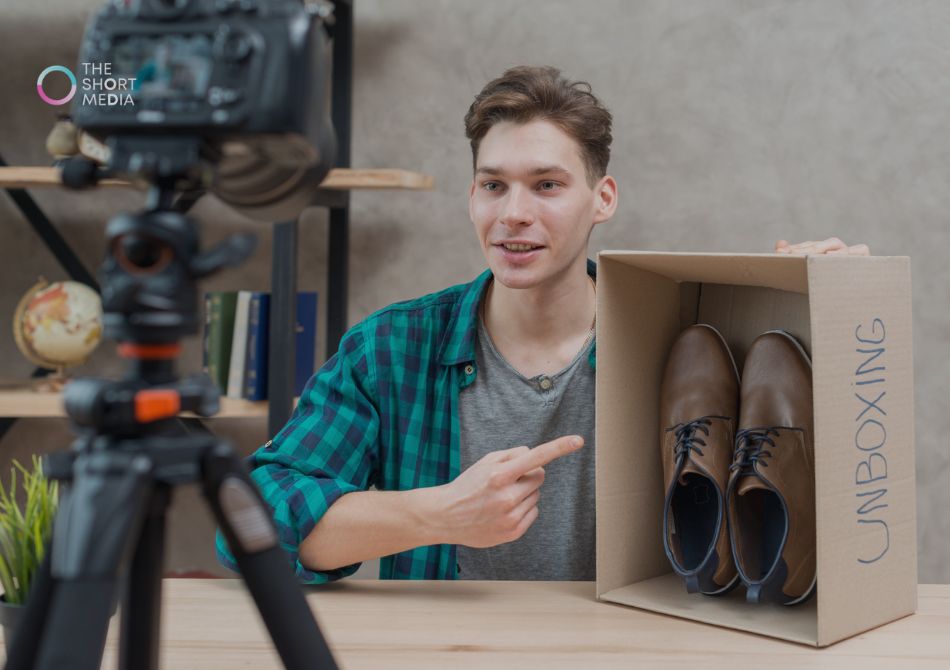
A skincare founder once told me she knew her product had finally “arrived” when customers stopped saying they found it through Instagram and started saying, “I saw it on TikTok… then I kept seeing it.” Not in a polished campaign sense either. One video was a creator applying the serum in bad bathroom lighting. Another was a customer explaining why it didn’t pill under sunscreen. The brand’s own glossy launch film? Fine. The scrappy clips did the real work.
That’s the thing about TikTok. Brand discovery there rarely looks tidy from the outside. It’s not usually one hero ad, one perfect creator, one clean conversion path. It’s messier. People spot a product in someone’s kitchen, hear about it in a comment thread, save the video, forget about it, see it again a week later, then search for reviews. A lot of marketing on tiktok happens in these little layers, and that’s exactly why it’s become so important.
For brands in the UK and beyond, the shift is hard to ignore. TikTok isn’t just a place to post content because the social team says you should. It’s increasingly where people start forming opinions about products, services, and even local businesses.
Brand discovery on TikTok doesn’t look like old-school social
A lot of marketers still treat TikTok like another channel for repurposed assets. Cut down the Meta ad, add captions, maybe throw in a trending sound if someone remembers. Usually a waste of time.
People discover brands on TikTok through context, not just exposure. A cleaning product shown removing burnt grease from a hob in a real kitchen often lands better than a studio demo with perfect lighting and a voiceover that sounds approved by six stakeholders. Same product, same claim. Different level of believability.
I’ve seen this with home products, beauty, snacks, fitness gear, even local services. A mobile car detailer in Manchester can get more qualified interest from a few well-shot before-and-after TikToks than from weeks of generic Facebook posts. A DTC protein bar brand can learn more from comments on one honest taste-test video than from a polished brand tracker. People will tell you exactly what they think. Sometimes a bit too directly.
That’s part of why marketing on tiktok has become so useful beyond awareness. It exposes friction early. If comments keep asking whether a foundation oxidises, or whether a pan works on induction hobs, or whether a meal prep service actually fills you up, that’s not just engagement. That’s product and messaging feedback sitting in public.
Why a TikTok-first discovery journey feels more natural
Search behaviour is changing, especially for products that benefit from demonstration. Not everything starts with Google anymore. People want to *see* the thing in use. They want a rough sense of whether it works in normal life, not just whether the landing page says it does.
Beauty is the obvious example. A US cosmetics brand launching a new skin tint might get decent traffic from paid search, sure. But if five creators show how it sits on textured skin, what shade match issues came up, and whether it survives a humid day, you’ve suddenly got a much stronger discovery engine. Not prettier. Stronger.
Food brands do well here too, especially when they stop trying to look like adverts. I worked with a snack brand where the best-performing content wasn’t the launch video or the paid animation. It was a creator opening the pack at her desk and saying, half distracted, “these are actually better than I expected.” Slightly rude, honestly. But believable. And it sold.
That’s where marketing on tiktok often beats more controlled channels. It gives people enough texture to make a decision. Not every brand likes that. Some are still too attached to polished messaging and legal-safe scripts. You can usually spot those videos because the creator reads the brief a bit too perfectly, pauses in odd places, and the comments immediately turn cold.
A good tiktok marketing agency knows discovery isn’t just about virality
This is where brands get tripped up. They think success on TikTok means chasing a big spike. A million views, a trending sound, a temporary bump in sales. Nice when it happens. Not really a strategy.
A smart tiktok marketing agency will usually focus on building repeat discovery moments. Different creators. Different hooks. Different use cases. Paid support where it makes sense. Organic testing first, or at least organic-style creative. Not because that sounds trendy, but because TikTok gives you fast feedback on what people actually stop for.
For example, if you’re launching a home organisation product in the UK, you might test:
- a chaotic under-sink “before”
- a quick install demo
- a creator explaining why cheap versions broke
- a comment-response video answering sizing questions
That’s marketing on tiktok doing what it does best: building familiarity through varied proof, not one oversized claim.
A decent tiktok marketing agency also won’t confuse creator content with influencer vanity metrics. Follower count matters less than fit, delivery, and whether the creator can make a product feel native to their feed. I’d take a mid-sized creator who can film a believable kitchen demo over a bigger lifestyle account reading a script in a spotless rental flat any day.
Marketing on TikTok works best when brands stop forcing the trend cycle
Some brands join trends two weeks too late and then wonder why the results are flat. You can almost feel the approval process in the final edit.
Trend participation can help, but it’s overrated for most brands. What matters more is whether the creative understands how people browse TikTok. Fast setup. Clear visual payoff. A reason to care in the first two seconds. Not fake urgency. Just enough specificity.
For Amazon products, this is especially true. A kitchen gadget doesn’t need a dance trend. It needs a genuinely satisfying demo and maybe a creator saying where it usually goes wrong. Same with fitness products. Show the resistance band slipping less than the cheap version. Show the home treadmill fitting under a sofa. Show the awkward bit, actually. That’s often the part people trust.
This is why marketing on tiktok tends to reward brands that are willing to look a little less polished. Not sloppy. Just less overworked.
What a tiktok marketing agency should actually help with
Plenty of agencies say they “do TikTok” when what they really mean is they’ll post clips and report views. That’s not enough now.
A useful tiktok marketing agency should help a brand connect creative testing, creator sourcing, paid amplification, comment mining, and conversion tracking. Those pieces matter together. If a video gets strong watch time but comments reveal price objections, that should shape the next round of creative. If creators keep making the same talking point work, that should influence the PDP copy. If a product demo filmed on a kitchen counter keeps outperforming studio assets, stop fighting it.
For retail launches, TikTok can be especially valuable when stocked locations are part of the purchase path. I’ve seen brands use creator content to drive not just site visits, but actual in-store demand by showing where the product sits, what aisle it’s near, or what it looks like next to alternatives. That kind of practical context matters more than marketers sometimes admit.
A strong tiktok marketing agency also knows when *not* to overcomplicate things. Sometimes the winning ad is just a founder explaining why they reformulated after customer complaints. Slightly awkward. Very watchable.
Discovery now happens in the comments too
This gets missed all the time.
The comments section is often doing half the selling. Or half the damage, if the content is weak. People ask if the product works on curly hair, whether the meal is actually spicy, whether the service covers their postcode, whether the “before and after” is even real. If the brand ignores that, they’re missing the point.
Some of the best marketing on tiktok I’ve seen came from comment-led iterations. A beauty brand noticed people kept asking whether a concealer creased under the eyes for over-35 skin. They briefed creators specifically around that concern. Performance improved. Not because the creative team had a flash of genius, but because the audience had already told them what needed answering.
That’s a very different model of discovery from traditional top-down campaign planning. More responsive. Less precious.
TikTok is becoming the first impression, not just the follow-up
For a growing number of brands, TikTok isn’t where people go after hearing about them elsewhere. It’s where the first impression happens.
That changes the job. Your content has to introduce the product, handle objections, give social proof, and still feel like something a person would actually watch. A lot to ask, yes. But when it works, it creates a kind of compounding visibility that’s hard to replicate on more polished platforms.
If you’re serious about brand discovery, marketing on tiktok shouldn’t sit in a silo with a junior social exec posting three times a week and hoping for the best. It needs creative range, fast learning loops, and a bit of nerve. Sometimes the video that feels too simple internally is the one that performs.
And if your team doesn’t have the speed, creator network, or testing discipline to keep up, that’s usually when bringing in a tiktok marketing agency starts to make sense.
FAQ's
1. Is TikTok really useful for smaller brands, or just big consumer names?
Smaller brands often have an advantage because they can move faster and make less overworked content. A local bakery, a niche skincare line, or a one-product Amazon seller can all do well if the product is easy to show and the content feels real.
2. How often should a brand post on TikTok?
More often than most teams are comfortable with, but not at the expense of quality. Three to five useful pieces a week is a decent starting point if you’re actually learning from what you post.
3. Do you need creators to make marketing on tiktok work?
Not always. Founder-led content can do very well, especially early on. But creators help when you need volume, different audience fits, or more believable use-case content than the brand can produce on its own.
4. What kinds of products get discovered fastest on TikTok?
Products with a visible payoff tend to move quicker. Beauty, cleaning, food, home gadgets, fitness accessories. Services can work too, but they usually need clearer proof and stronger local relevance.
5. Should brands focus on organic or paid first?
Usually organic-style creative first, even if paid media is part of the plan. You want to see what hooks, objections, and demos people respond to before putting serious spend behind it.