
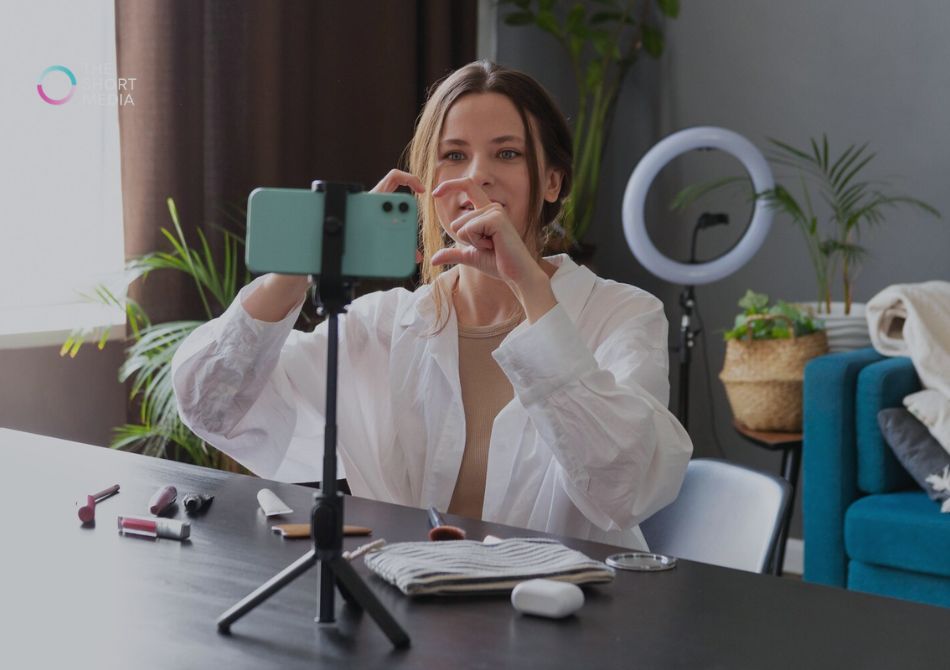
A few years ago, a lot of brands treated TikTok like a content lottery. Post enough videos, chase a few trends, maybe send products to creators, and hope something sticks. You still see some of that now. Usually from brands that are wondering why their nicely edited videos are getting buried under a shaky product demo filmed on someone’s kitchen counter.
That gap matters more in 2026 than it did before.
The agencies doing well on TikTok now aren’t just “making content.” They’re building systems around attention, testing, creator fit, paid amplification, comment mining, and conversion behaviour. A good tiktok marketing agency uk isn’t thinking about growth as a single viral moment. It’s looking at what actually compounds over 30, 60, 90 days, and where the creative feedback loop starts breaking.
And honestly, that’s usually where brands get it wrong. They either overproduce the content, underfund the testing, or brief creators so tightly that every video sounds like legal approved it six times.
What a TikTok Agency sees that most brands miss
If you’ve sat in enough performance meetings, you start spotting the same pattern. A brand says it wants “authentic TikTok content,” then sends a 14-point script, three mandatory talking points, and a reference video that already feels two weeks old. The creator reads it too perfectly. The edit looks clean. The comments are dead.
A smart TikTok Agency is usually looking past the first video and asking a different set of questions:
- What kind of hook earns a thumb-stop from this audience?
- Which creator can make the product feel normal, not pitched?
- What objections are showing up in comments that the landing page hasn’t answered?
- Is this a content problem, an offer problem, or a targeting problem?
That last one comes up all the time. I’ve seen brands blame creative when the real issue was price anchoring on the site, or a clunky product page that made a £24 item feel weirdly expensive. TikTok will expose that fast.
A decent TikTok Agency doesn’t just report views and CTR. It should be tying creative performance back to the actual buying journey.
Growth in 2026 looks less like “viral” and more like volume with judgement
The old obsession with one breakout video has cooled off a bit. Not because viral moments don’t matter, but because they’re unreliable if there’s nothing behind them.
In 2026, most serious teams are working with a higher volume of creative, but they’re not doing it blindly. They’re building batches around angles. Problem/solution. Founder face-to-camera. Customer reaction. Comparison content. Lo-fi demos. Comment replies. Retail launch clips. Search-led explainers.
That’s usually where a tiktok marketing agency uk earns its keep. Not by promising magic, but by knowing which creative variables are worth isolating and which ones are a waste of time. Hook first. Creator fit second. Offer clarity third. Fancy editing, often much lower.
I’ve watched a home product brand spend thousands on polished studio content only to get beaten by a creator filming a stain-removal demo beside her sink with bad overhead lighting. Not glamorous. Worked anyway. You could see the product. You could hear the reaction. That was enough.
A strong TikTok Agency treats content as testing inventory, not precious artwork.
The creator brief is shorter now, and that’s usually a good sign
One shift that’s become more obvious: the best-performing creator content often comes from lighter briefs.
Not vague briefs. Lighter.
There’s a difference.
The better agencies are giving creators a clear outcome, a few non-negotiables, maybe one or two audience tensions to hit, then leaving room for the creator’s own rhythm. If they say a line in a way they’d never naturally say it, the audience feels it immediately. You can almost predict the drop-off point.
A TikTok Agency that understands growth knows creator selection matters as much as the script. Sometimes more. A fitness supplement brand might think it needs the biggest wellness creator it can afford, but a mid-sized running coach with believable habits and messy car-shot videos may drive better results. Same with beauty. A creator applying product in harsh bathroom lighting can outperform someone with a ring light and a flawless ad voice.
That’s not theory. It happens constantly.
And for UK brands trying to scale into broader English-speaking markets, a tiktok marketing agency uk often has to think carefully about voice, slang, and cultural fit. A script that feels natural in London might land oddly in Texas. A US-style hard sell can feel too aggressive for some UK audiences. The nuance matters.
Paid and organic are closer than most teams admit
Some brands still split TikTok into two separate boxes: organic content over here, paid media over there. In practice, the line’s thinner than that.
The agencies getting better results are watching organic signals to guide paid decisions, then using paid delivery to stress-test creative faster. A comment-heavy post with average views might still be the best ad candidate because it’s surfacing real interest. A high-view video with weak watch-through and no buying intent? Nice for the screenshot, maybe not much else.
A good TikTok Agency won’t just boost the prettiest post. It’ll look at hold rate, rewatch behaviour, comment quality, saves, profile visits, and whether the creative actually creates a next step.
That’s especially relevant for e-commerce and Amazon brands. I’ve seen TikTok comments do more useful research than a formal survey. People will tell you exactly what they don’t understand. “Does this work on textured hair?” “Will this fit a small hallway?” “Why is it more expensive than the one on Amazon?” That stuff should shape the next round of creative.
A serious tiktok marketing agency uk is often part creative team, part research team, part media buying team. That blend is what makes growth more predictable.
Search behaviour on TikTok has changed the brief
Another thing agencies think about now: people aren’t only scrolling. They’re searching.
That changes content planning. A lot.
A TikTok Agency in 2026 is usually balancing reactive trend content with videos built around specific search intent. For beauty, that might be “best foundation for oily skin” or “heatless curls for short hair.” For food brands, maybe “high protein lunch ideas” or “air fryer snack review.” For local services, it could be “wedding florist Manchester” or “best personal trainer near me.”
This is where a tiktok marketing agency uk can help local and national brands avoid posting random content that never stacks. Search-led TikTok content isn’t glamorous, but it often keeps working longer than trend-based clips. Especially for service businesses and practical products.
And no, it doesn’t need to sound robotic. It just needs to answer a real question clearly enough that someone stops and thinks, right, that’s useful.
What agencies are watching besides ROAS
ROAS still matters. Obviously. But anyone who’s managed TikTok at scale knows it can be a bit messy if you use it as the only truth.
A better TikTok Agency is usually watching a cluster of signals:
Creative fatigue shows up faster now
Some ads burn out in days. Sometimes the hook gets copied across too many variants. Sometimes the audience has simply seen that style too often. If your team is still celebrating a winning ad three weeks after performance started sliding, you’re late.
Comment quality tells you where to go next
Not every useful signal sits in Ads Manager. Comments can reveal friction points, language people actually use, and angles the brand team didn’t think mattered. I’ve seen a food brand discover that customers cared less about “low sugar” than whether the product tasted like a sad diet snack. That changed the messaging.
Creator repeatability matters
One creator might crush it once. Fine. Can they do it again with a different angle? Can the concept travel to five more creators without collapsing? A TikTok Agency thinking about growth is looking for repeatable patterns, not one-off luck.
Why choosing a TikTok Agency is harder than it sounds
There are plenty of agencies that can make TikTok-looking content. Fewer can actually build a growth model around it.
If you’re hiring, ask how they test hooks. Ask how they decide whether a weak result came from the creator, the offer, or the landing page. Ask what they do with comment data. Ask how organic and paid teams work together, if they even have both. A tiktok marketing agency uk worth hiring should have opinions here, not vague process slides.
And if every case study sounds like “we made a viral video and sales exploded,” I’d keep looking. Real growth work is usually less cinematic than that. More testing sheets, more scrappy creator sourcing, more edits that look almost too simple. That’s often the point.
FAQ's
1. What does a TikTok Agency actually do in 2026?
Usually a lot more than posting videos. A solid team handles creative strategy, creator sourcing, briefing, paid testing, reporting, and the messy middle bit where they figure out why people are watching but not buying.
2. Is hiring a tiktok marketing agency uk worth it for smaller brands?
It can be, especially if your internal team doesn’t have TikTok-specific creative experience. Smaller brands tend to waste money by overproducing content or testing too few angles. An agency can save time there, assuming they actually know performance, not just aesthetics.
3. How many videos does a brand really need each month?
More than most founders expect, less than some agencies try to sell. For paid social brands, you often need enough volume to test multiple hooks, creators, and formats each month. Ten to twenty useful assets can outperform four “hero” videos pretty easily.
4. Should TikTok content look polished?
Usually not too polished. If it starts feeling like a traditional ad, performance can dip fast. That doesn’t mean sloppy for the sake of it, just believable. There’s a difference.
5. Can a TikTok Agency help with local businesses?
Yes, and it’s actually underrated. Local clinics, gyms, salons, estate agents, even trades can do well when content answers specific local searches or shows real work in progress instead of generic branding clips.