
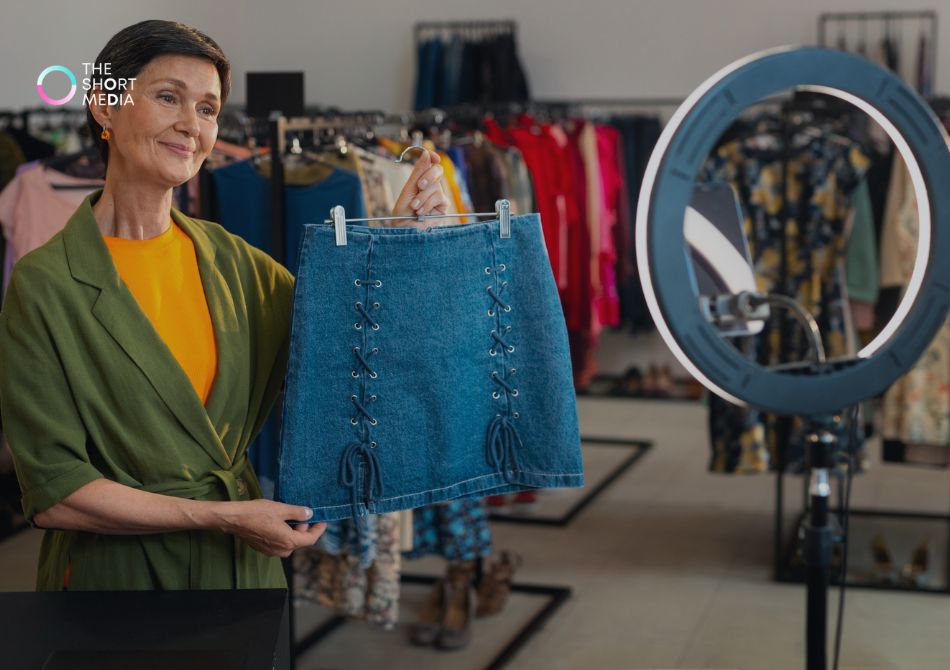
A few years ago, a lot of UK brands treated TikTok like the intern’s side project. Post a couple of trend clips, maybe send out some products to creators, see what happens. Then the same brands would sit in meetings wondering why a grainy product demo filmed on someone’s kitchen counter pulled more comments, saves, and sales than the polished campaign they’d spent weeks approving.
I’ve seen that happen more than once.
What’s changed isn’t just the platform. It’s the way people use it. For plenty of brands now, TikTok isn’t the extra channel after Instagram, Meta ads, email, retail media, and the rest. It’s where early traction starts. It’s where messaging gets tested in public. It’s where you find out, very quickly, whether your product is actually interesting or just nicely packaged.
For UK brands especially, that shift matters. Consumer habits here are close enough to US trends to follow them fast, but local culture still changes how content lands. Dry humour travels. Hard-sell scripts usually don’t. And a creator from Manchester talking casually about a skincare product will often do more than a glossy ad that feels imported from somewhere else.
Why marketing on tiktok now happens much earlier in the plan
A lot of teams still treat TikTok as the amplification layer. Build the campaign first, then chop it into short-form clips later. That’s usually backwards.
The stronger brands are using marketing on tiktok much earlier, sometimes before the full launch plan is even locked. They’ll test hooks, objections, demos, price framing, creator angles, even packaging reactions on TikTok before committing bigger spend elsewhere.
That’s practical, not trendy.
If you’re launching a beauty product, for example, TikTok comments will tell you within days whether people are worried about shade range, texture, ingredients, or whether the before-and-after looks too filtered. A food brand will see if buyers care more about protein, price per serving, or whether it actually tastes decent. A home product might get traction because someone shows how annoying the old version was, not because the product itself looks pretty on a shelf.
That kind of feedback used to take longer. More budget, more layers, more delay.
With marketing on tiktok, the market often tells you what your landing page forgot to say.
The UK brands getting the most from TikTok aren’t always the biggest
This is probably the part that frustrates larger teams. Big budgets help, sure. But they don’t automatically make a brand good at TikTok.
Some of the smartest work I’ve seen has come from smaller DTC brands, local service businesses, and challenger retail launches. They’re less precious. They don’t spend two weeks rewriting a caption. They’ll let a creator speak like a normal person. They’re willing to post five versions of the same idea and accept that two will flop.
That matters because marketing on tiktok rewards volume, iteration, and realism more than big campaign theatre.
A local aesthetics clinic in the UK might post a simple consultation clip addressing one common worry and book out faster than a highly produced brand film. An Amazon home product can take off because someone demonstrates it badly at first, then shows the fix. A fitness brand can learn that “here’s my routine” underperforms while “I thought this was nonsense until week three” gets watched through.
Not glamorous. Effective, though.
What a good tiktok marketing agency uk actually helps with
There’s a reason more brands are looking for a tiktok marketing agency uk partner instead of handing TikTok to whoever already runs paid social. The platform looks familiar from the outside, but the operating model is different.
A decent tiktok marketing agency uk won’t just schedule posts and report on views. They should be helping with creative volume, creator sourcing, paid amplification, trend timing, comment mining, and the less exciting but important part: figuring out why a piece of content failed without pretending it was “still strong for awareness.”
Because sometimes the answer is obvious. The creator read the script too perfectly. The hook took four seconds too long. The product benefit was buried. The brand joined a trend after everyone was already tired of it. Or the ad looked like an ad immediately, which is still one of the fastest ways to lose attention.
The better tiktok marketing agency uk teams understand that content and media buying can’t be separated too neatly here. If the creative is weak, paid won’t rescue it for long. If the organic side is ignored, the ads often feel disconnected from how people actually behave on the platform.
And if you’re working in the UK market, local context matters. Humour, slang, pacing, creator fit, even what feels too salesy. Imported playbooks don’t always travel well.
The messy middle: organic, creators, paid, repeat
The brands that make marketing on tiktok work usually stop trying to find the one perfect formula. It’s more of a loop.
Organic content gives you clues. Creator content gives you range. Paid spend tells you what scales. Comments tell you what people still don’t believe. Then you make the next batch better.
That’s the actual process. Not very glamorous, and a bit repetitive.
A skincare brand might start with founder-led videos, then realise creator demos outperform anything filmed in the office. A snack brand might notice that “healthy” messaging gets polite engagement, but “this doesn’t taste like cardboard” gets people tagging friends. A home cleaning product might discover that side-by-side mess footage shot in a real kitchen beats studio content every time. I’ve watched teams spend thousands trying to make content look premium, then a creator in bad lighting with decent pacing outperforms the lot.
This is why marketing on tiktok has become such an early priority. It isn’t just distribution. It’s market feedback, creative testing, and sales messaging rolled into one channel.
Why UK retail and DTC teams are moving faster here
For UK brands selling through retail, TikTok is increasingly useful before and during launch windows. Not because every product goes viral. Most don’t. But because TikTok can create recognisable demand patterns quickly enough to support a retailer conversation, a restock push, or a regional test.
For DTC brands, it’s often even more immediate. You can test bundles, offers, claims, creator styles, and landing-page angles while the campaign is still taking shape. That’s a big reason a tiktok marketing agency uk can be valuable early, before a brand has “figured it all out.”
The old model was cleaner. Build campaign assets, approve them, launch, optimise later. TikTok has made that feel slow.
And honestly, consumers can tell when a brand is over-rehearsed. They may not say it that way, but you’ll see it in the drop-off, the weak comments, the polite likes with no action. Whereas a slightly rough video that gets to the point and sounds like a person tends to travel better.
Choosing a tiktok marketing agency uk without getting sold a fantasy
Not every tiktok marketing agency uk is built the same, and some still pitch TikTok like it’s a magic trick. I’d be wary of that.
Ask how they handle creative testing each week. Ask how many creator variations they typically produce. Ask how they use paid and organic together. Ask what they do with comment insights. Ask for examples where they changed the angle because the first version didn’t land.
You want a team that’s comfortable admitting when something missed. You also want one that understands marketing on tiktok as a live system, not a content calendar.
That usually means they’re talking less about “posting consistently” and more about hooks, retention, creator fit, offer framing, and iteration speed. Less theory, more footage. Less polish, more response.
It’s not replacing everything. It’s just moving to the front
This doesn’t mean every UK brand should throw the whole budget at TikTok and ignore search, email, Meta, retail media, or anything else sensible. That would be lazy advice.
But TikTok is increasingly the first place brands learn what message actually sticks. Which creator style feels believable. Which objections are stopping conversion. Which product angle gets shared rather than scrolled past.
That’s why more teams now start there.
A good tiktok marketing agency uk can help structure that process, especially when internal teams are stretched or still treating TikTok like a side channel. And when marketing on tiktok is handled properly, it becomes more than content output. It becomes one of the fastest ways to pressure-test whether the market cares.
Not in theory. In comments, watch time, creator performance, and sales.
That’s a different role than TikTok had a couple of years ago. And UK brands have noticed.
FAQs
Q1: Is TikTok only useful for younger audiences?
Not really. It depends more on the product and the angle than the age stereotype people still repeat. I’ve seen home products, supplements, kitchen gadgets, and local services perform well with audiences that definitely aren’t teenagers.
Q2: Do UK brands need a big budget to start?
They don’t. You do need enough budget to test properly, though. A few creator videos, some paid support, and room to learn from what flops is usually more useful than spending everything on one polished launch asset.
Q3: How long does it take to see results from marketing on tiktok?
Sometimes you’ll get signals fast, within a week or two. Sales scale can take longer, especially if the offer, landing page, or creative angle still needs work. TikTok tends to expose weak spots pretty quickly, which is useful even when it’s annoying.
Q4: What makes a creator video work better than a brand-made ad?
Usually it feels less controlled. Not careless, just more believable. When someone sounds like they’re actually using the product instead of reciting approved copy, people stick around longer.
Q5: Should brands focus on organic or paid first?
Usually both, but not in a perfectly balanced way. Organic helps you learn what people respond to. Paid helps you push the stronger concepts further. If you skip the learning part, paid can get expensive for no good reason.