

A couple of years ago, I sat in on a creative review where a brand team kept asking the same thing: “Can we make this go viral?” They were launching a protein snack at Target, and every concept somehow turned into a chase for the perfect trend, the perfect sound, the perfect lucky break.
None of that was the real problem.
The problem was that their TikTok content looked like advertising trying to cosplay as TikTok. Too polished. Too approved. A creator read the script so cleanly it felt like a hostage video with ring light lighting. The comments told us more than the brief did: people wanted to know if the bars were chalky, if they melted in a gym bag, if they were worth the price compared to Quest. The sales page didn’t answer that stuff. TikTok did.
That’s where things sit in 2026. The platform still has breakout moments, obviously. But serious teams in the USA aren’t building their whole plan around virality anymore. They’re treating TikTok as an operating channel for demand, creative testing, creator sourcing, retail feedback, and conversion support. If you’re still thinking of it as “post enough and hope one pops,” you’re working with an outdated playbook.
Why tiktok marketing services look different now
A lot of tiktok marketing services used to be built around a thin promise: trend spotting, post scheduling, maybe a few creators, and a monthly report that mostly celebrated views.
That model feels old now.
What clients actually need is tighter coordination between organic content, paid media, creator whitelisting, landing pages, Amazon conversion, and customer insight. The strongest agencies and in-house teams aren’t just asking what should be posted. They’re asking what content is producing useful signals.
For example, a home cleaning brand might post a simple side-by-side mop demo filmed in somebody’s kitchen. Not a studio set. Real tile, bad overhead lighting, a dog bowl in the corner. If that video pulls comments about streaking on dark floors, that’s not just engagement. That’s product messaging, objection handling, maybe even PDP copy.
That’s a big reason tiktok marketing services have become more operational. Less “content calendar,” more “feedback loop.”
And honestly, good. The old way wasted a lot of time.
TikTok for marketing is now a testing lab, not just a reach channel
This is probably the biggest shift. tiktok for marketing in 2026 works best when you stop treating every post like a campaign asset and start treating content like fast, public market research.
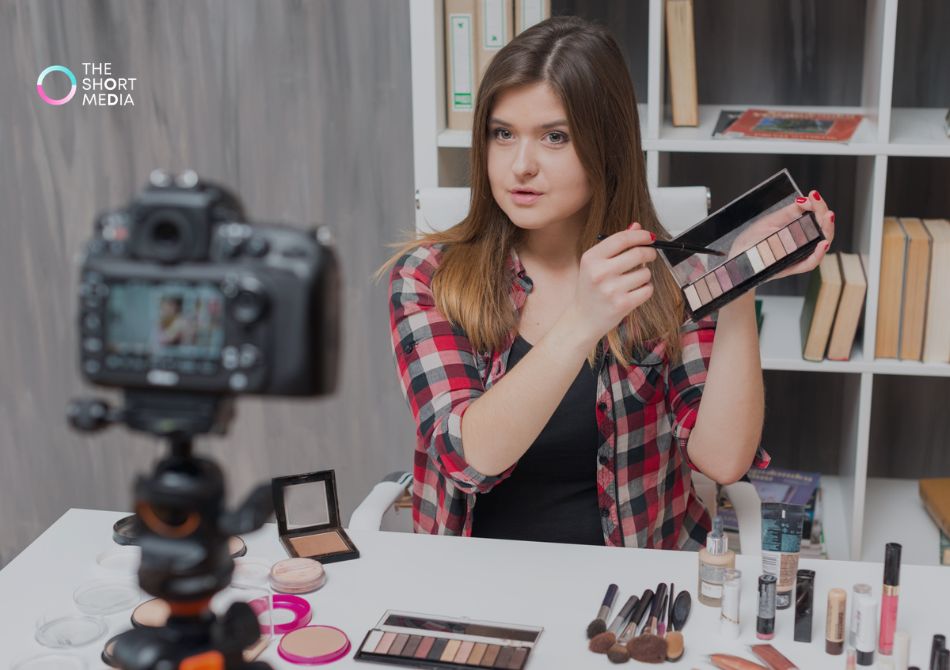
Beauty brands figured this out early. A founder can talk for 22 seconds about why a concealer doesn’t crease under the eyes, then comments immediately fill with the real concerns: mature skin, olive undertones, flashback, dry patches. That’s better input than a lot of survey work, and it arrives fast.
The same thing happens with food, fitness, and household products. A DTC cookware brand posts a pan searing salmon. Fine. But the version that tends to do better is the one where someone says, casually, “I thought this was going to stick because my last nonstick pan was terrible after three months.” That line feels lived-in. It also surfaces the exact comparison buyers are making.
Using tiktok for marketing well means testing:
– hooks that sound like a customer thought, not a headline
– creator styles that feel believable on camera
– objections people repeat in comments
– offers that actually move people to click
– product demos in real environments
Not every test needs to “win.” Some are there to tell you what not to scale.
The brands doing well aren’t chasing trends two weeks too late
You can still use trends. Just don’t build your whole strategy around them.
I’ve watched too many teams approve a trend after legal review, internal edits, brand tweaks, and three rounds of stakeholder comments, only to post it after the moment already passed. At that point, it doesn’t read as current. It reads as a brand trying to catch up.
That’s why tiktok for marketing has become less about trend participation and more about format fluency. Different thing.
Format fluency means knowing what kind of content fits the platform even when it isn’t trend-based:
– a founder talking straight to camera
– a customer-style demo with imperfect framing
– a “here’s what I didn’t like at first” review
– comment replies that handle skepticism
– side-by-side comparisons
– retail shelf footage when a product lands in Walmart, Ulta, or Whole Foods
A lot of retail launch content in the US works because it feels immediate and useful. “Spotted this at CVS” still does something. So does “here’s every shade in natural light.” Not because it’s flashy. Because it answers the next question in somebody’s head.
What paid teams learned from organic teams, finally
For a while, paid social teams and organic TikTok teams often worked like distant cousins. Same family, barely speaking.
That separation doesn’t hold up anymore. tiktok marketing services that actually perform usually have paid and organic feeding each other constantly. Organic identifies language, hooks, creator types, and product angles. Paid scales the versions that hold attention and convert. Then paid performance data comes back and sharpens the next round of creative.
This matters a lot for tiktok for marketing because polished ad creative still underperforms surprisingly often, especially in categories where buyers want proof before they want branding.
An Amazon-focused supplement brand, for instance, may find that a creator shot in her car explaining why she switched from one magnesium gummy to another beats the expensive studio cut. Not because the studio version was bad. It just answered fewer real objections. It looked approved. People can feel that.
And when creators read scripts too perfectly, performance usually drops. You can almost hear the legal department in the cadence.
Creator content got more useful once brands stopped over-controlling it
There was a period when every creator brief sounded like it had been assembled by six nervous people in a shared doc. Must mention these five claims. Must show packaging in first three seconds. Must use this tagline. Must avoid these words. Must smile here, probably.
The result was content that technically checked every box and felt dead.
In 2026, tiktok for marketing works better when brands know what they need to communicate but leave room for creators to sound like themselves. Not unlimited freedom. Just enough.
A fitness recovery brand might need a creator to mention NSF certification and flavor. Fine. But if that creator naturally talks about mixing it after a Saturday long run, while standing in a messy kitchen with a half-open dishwasher behind them, the content usually lands better than a pristine gym shoot with scripted enthusiasm.
The creator economy on TikTok has matured. Good creators understand pacing, tension, and where to place the product mention without making the whole thing collapse. Good brands respect that.
TikTok comments are doing work your landing page probably isn’t
This gets overlooked.
Comments aren’t just social proof. They’re often where the real sales conversation happens. Especially for products with friction: skincare, consumables, home gadgets, subscriptions, anything with price resistance.
A local med spa might post a treatment walkthrough and find half the comments are actually about downtime, pain, and whether makeup can be worn after. A cookware brand gets asked if the pan works on induction. A pet brand hears concerns about ingredient sourcing. A mattress company sees repeated questions about fiberglass.
That’s tiktok for marketing at its most practical. The comment section becomes an objection map.
The smarter teams pull those patterns into:
– landing page updates
– FAQ copy
– creator briefs
– Spark Ad variations
– customer service scripts
This is another reason tiktok marketing services have expanded. If an agency is only posting content and not reporting comment themes back to the business, they’re missing half the value.
So what should brands actually do now?
Not “go viral.” That’s the short answer.
A better approach for tiktok for marketing in 2026 looks more like this: build a repeatable content engine that can produce volume without turning into junk, test creators in batches, study comments carefully, and connect content to a real conversion path.
That might mean:
– 3 to 5 organic posts a week, not 20 random ones
– creator seeding tied to specific product angles
– paid amplification on proven posts, not theoretical winners
– retail and Amazon-specific content, not one-size-fits-all creative
– regular review of comment language and drop-off points
For US brands, especially, context matters. Content for a beauty launch in Sephora doesn’t need the same structure as content for a local HVAC company or a DTC bedding brand. A restaurant group in Austin can get mileage from staff personality and menu close-ups. A home organization brand selling on Amazon may need relentless demo content showing dimensions, setup time, and whether the bins actually fit under a bathroom sink.
That’s where strong tiktok marketing services earn their fee: not by promising magic, but by making the whole system tighter.
FAQ
1. Is TikTok still worth it for smaller brands in 2026?
Usually, yes, if you can make content that feels native and useful. Smaller brands often do better than big ones because they can move faster and don’t need six approvals to post a simple product demo.
2. How often should a brand post on TikTok?
More isn’t automatically better. I’d rather see a brand post four solid pieces a week than flood the account with filler. Consistency matters, but quality still has to be there.
3. Do you need creators, or can an internal team handle it?
Internal teams can absolutely make TikTok work, especially for founder-led brands, local businesses, or product teams willing to get on camera. But creators help when you need different faces, different tones, or content that feels less like it came from the brand account itself.
4. What kind of content converts best?
Depends on the category, but demos, comparisons, objection-handling videos, and customer-style reviews tend to hold up. A weirdly effective format is “I didn’t expect this to work, but…” assuming the person saying it sounds believable.
5. Should every good organic post be turned into a paid ad?
Not every one. Some posts attract curiosity but don’t move people toward a purchase. Usually you want to look at watch time, comment quality, click behavior, and whether the message lines up with the offer before putting money behind it.
6. Is virality completely irrelevant now?
Not at all. It’s just unreliable as a strategy. If a post takes off, great. But most brands need systems, not lottery tickets.
7. What do agencies actually do under modern TikTok retainers?
The useful ones do a lot more than posting. Creative strategy, creator sourcing, scripting guidance, editing, paid coordination, comment mining, reporting, and sometimes landing page feedback too. That’s why tiktok marketing services have gotten broader.
8. Can TikTok help with Amazon sales, or is it mostly for DTC sites?
It can help a lot with Amazon, especially when content answers the exact hesitation someone has before buying. I’ve seen simple “here’s how big it is in real life” videos do more for Amazon products than polished brand spots ever did. Not glamorous, but effective.
9. How long does it take to see results?
Sometimes a few weeks, sometimes longer. If the product positioning is muddy or the creative is overproduced, it takes longer because you’re fixing basics first. TikTok tends to expose weak messaging pretty fast, which is annoying but useful.